Southwood Prize 2023: Winner announced for early career researcher award

Journal of Applied Ecology is delighted to announce Dominic McAfee as the winner of the 2023 Southwood Prize! The award is given annually to the best article in the journal by an author at the start of their career. This year, Dominic was chosen by the Senior Editors from a strong shortlist of 12 articles.  Winner: Dominic McAfee Research: Soundscape enrichment enhances recruitment and habitat building on new oyster reef … Continue reading Southwood Prize 2023: Winner announced for early career researcher award

Restoring Landscapes: When restoration actions don’t lead to restoration outcomes

As part of the ‘Restoring Landscapes’ blog series, author Jake Williams presents a case study illustrating the value of satellite data in filling the knowledge gap on the effect of passive restoration efforts in different climatic and ecological contexts. With the launch of the ‘Restoring Landscapes’ blog series, it is a timely moment to reflect on the connection between the actions we call “restoration” and … Continue reading Restoring Landscapes: When restoration actions don’t lead to restoration outcomes

Oliver Wilson: Assessing the exposure of UK habitats to 20th- and 21st-century climate change, and its representation in ecological monitoring schemes

Shortlisted for the 2023 Southwood Prize Oliver Wilson explains how he, along with co-author Oliver Pescott, generated a metric of climate change exposure by quantifying the change in observed historical and predicted future conditions. They then compared patterns of climate change exposure in locations sampled by ecological monitoring schemes to random samples from wider habitats. Climate change and ecological monitoring We’re living in a time … Continue reading Oliver Wilson: Assessing the exposure of UK habitats to 20th- and 21st-century climate change, and its representation in ecological monitoring schemes

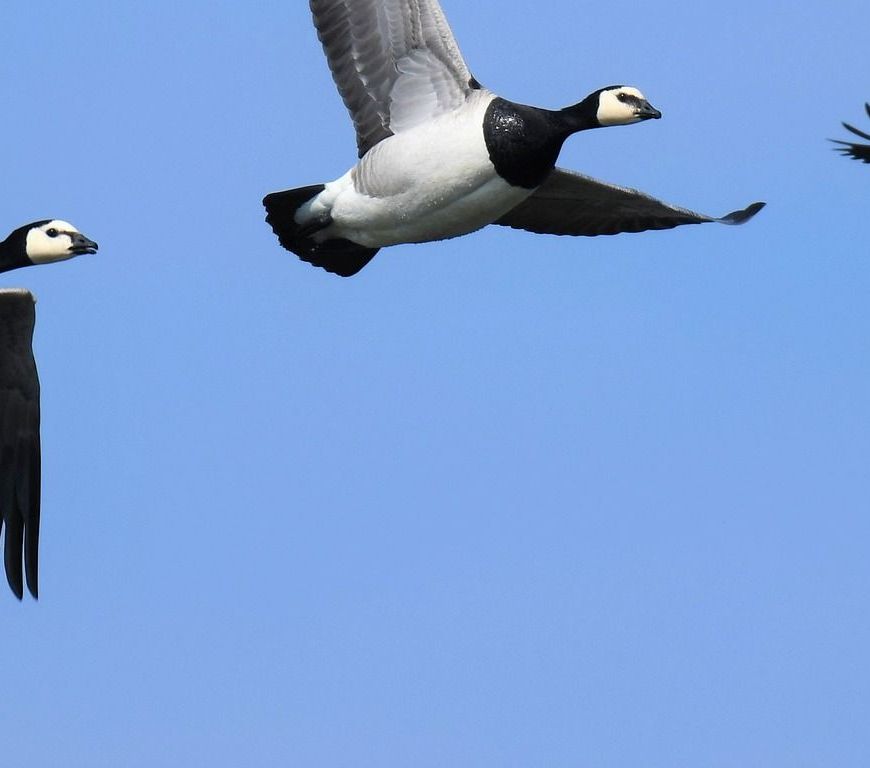
Aimée McIntosh: Modelling harvest of Greenland barnacle geese and its implications in mitigating human–wildlife conflict

Shortlisted for the 2023 Southwood Prize Aimée McIntosh talks us through how she and colleagues constructed an integrated population model to assess the cumulative impact of all shooting harvest on the Greenland barnacle goose. Findings demonstrate the impact of local harvests on global abundance, emphasising the importance of internationally coordinated monitoring and management strategies of migratory species. From conservation success to conflict Unlike many migratory … Continue reading Aimée McIntosh: Modelling harvest of Greenland barnacle geese and its implications in mitigating human–wildlife conflict

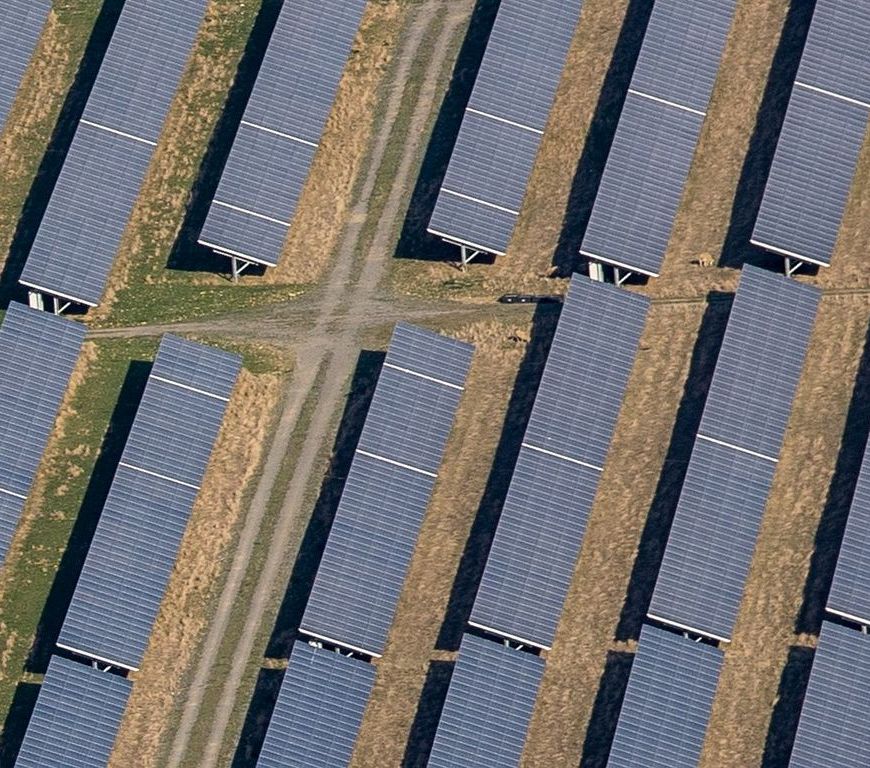
Elizabeth Tinsley: Bats are avoiding solar sites

Shortlisted for the 2023 Southwood Prize Elizabeth Tinsley talks us through how she and colleagues conducted a paired study at 19 ground-mounted solar PV developments in southwest England. Through the use of static detectors to record bat echolocation calls and the development of generalised linear mixed-effect models, it was determined that ground-mounted solar photovoltaic developments have a significant negative effect on bat activity. Bats and … Continue reading Elizabeth Tinsley: Bats are avoiding solar sites

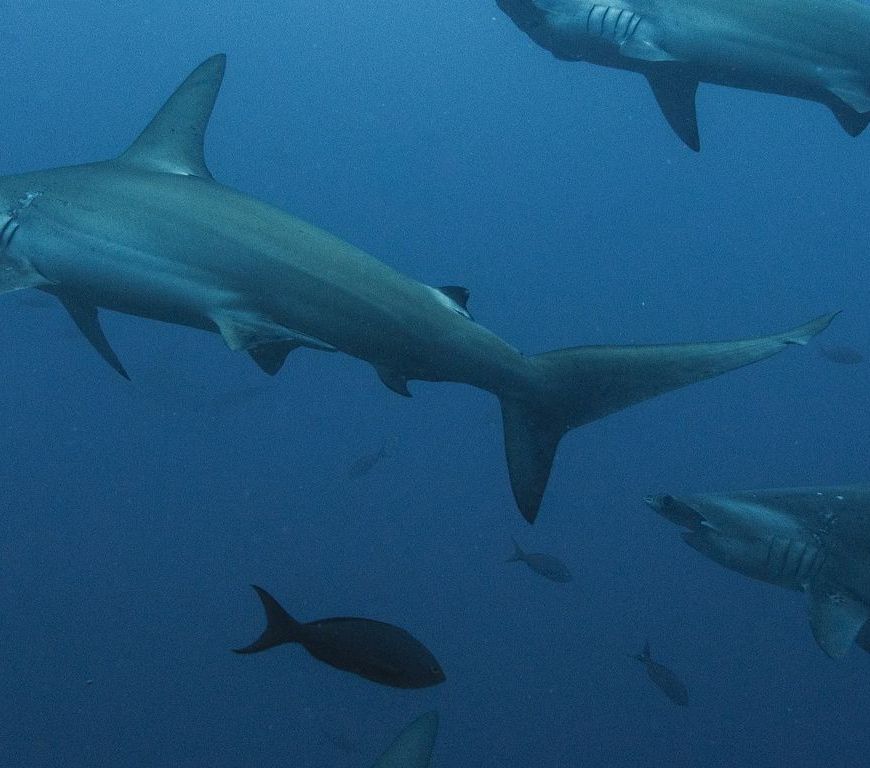
Lucien Besnard: Mercury isotope clocks predict coastal residency and migration timing of hammerhead sharks

Shortlisted for the 2023 Southwood Prize Lucien Besnard reflects on how he and colleagues used mercury isotopes, within the framework of isotopic clocks, to provide a more precise assessment of hammerhead shark movement. As a result, this method may be used as a complementary tool for stock management through predicting the timing of animal migration – a key aspect in the conservation of marine taxa. … Continue reading Lucien Besnard: Mercury isotope clocks predict coastal residency and migration timing of hammerhead sharks

Andrea Radici: Looking for winners and losers of marine resources management

Shortlisted for the 2023 Southwood Prize Andrea Radici talks us through his team’s development of a comprehensive metapopulation framework, which provides a tool for assessing area-based management measures aimed at improving fisheries outcomes and describing the spatial distribution of costs and benefits. This can help guide effective spatially-distributed management. Ecosystems and mathematics In Chapter 151 of The Curious Incident of the Dog in the Night-Time, … Continue reading Andrea Radici: Looking for winners and losers of marine resources management

Blending Science and Creativity through SMART Management Objectives

Author Caleb Aldridge describes his latest Practice Insights highlighting the benefits of using SMART objectives for environmental management. The findings and conclusions in this article are those of the author and do not necessarily represent the views of the U.S. Fish and Wildlife Service. In the realm where art meets science, crafting effective natural resource and environmental management objectives mirrors the detailed process of painting, … Continue reading Blending Science and Creativity through SMART Management Objectives

Humans drive spatial variation in mortality risk for a threatened wolf population in a Canis hybrid zone

John Benson shares recent research, conducted alongside colleagues, which monitored the movement of eastern wolves in Algonquin Provincial Park, Canada. Results suggest that eastern wolves and dispersing canids survive poorly outside of APP, primarily due to human-caused mortality. Thus, expanding the threatened population outside of APP is unlikely under current management conditions. The challenge of human-caused mortality for threatened, hybridizing wolves in Canada When large … Continue reading Humans drive spatial variation in mortality risk for a threatened wolf population in a Canis hybrid zone

Weather forecasts can help us save migratory birds from collisions with city buildings

In their latest research article, Sara Kross, Katherine Chen, Benjamin Van Doren and colleagues utilise 5 years of bird collision counts in New York City to determine the influence of nocturnal weather conditions and bird migration traffic rates on collisions with buildings. Migration is already a particularly dangerous part of the annual life cycle of many birds, and it’s estimated that collisions with windows kills up … Continue reading Weather forecasts can help us save migratory birds from collisions with city buildings