Busy practitioner? Think carefully before choosing which academic conference to attend

With conference season upon us, Errol Douwes (Environmental Planning and Climate Protection, Durban) shares advice on how to make the most of the academic conference circuit from a practitioner’s perspective. What tips do you have? Leave a comment below or Tweet us @JAppliedEcology. I’ve often wondered if and how other practitioners decide on which conferences they will attend. It’s very seldom that I’ve been invited … Continue reading Busy practitioner? Think carefully before choosing which academic conference to attend

Can living shorelines survive the rising seas?

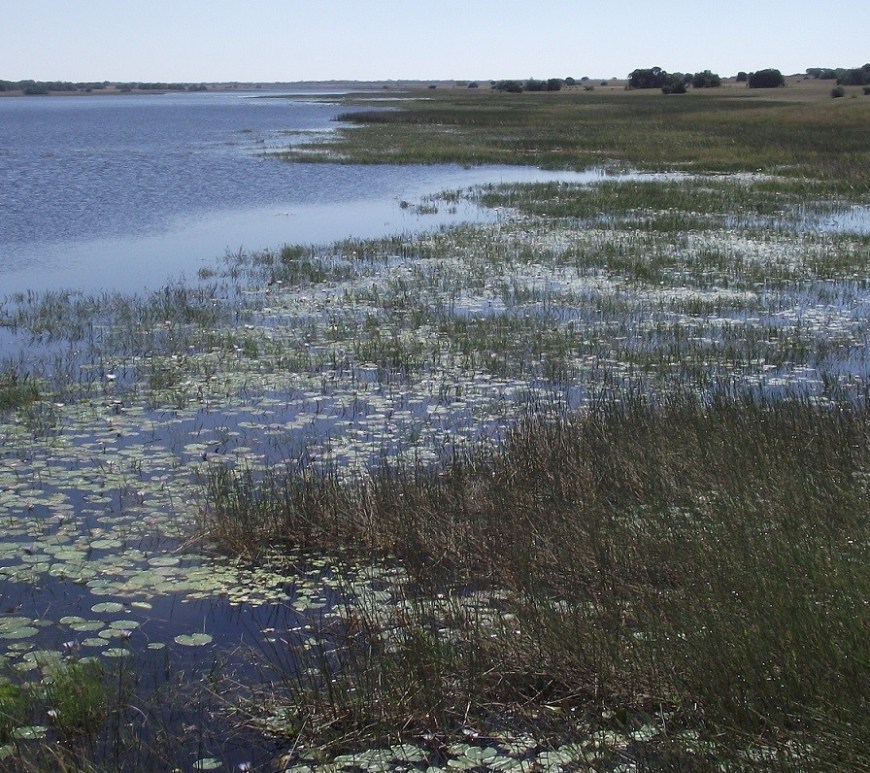
Take a sneak preview into our new issue, which publishes this Friday and turns the Spotlight on conservation in marine habitats. The feature includes a Practitioner’s Perspective on designing climate‐resilient living shorelines, which Molly Mitchell and Donna Marie Bilkovic discuss here. Look out for an additional post bringing together all the papers in the Spotlight soon. Living shorelines are a form of shoreline protection that mimics … Continue reading Can living shorelines survive the rising seas?

How will climate change impact rangelands in the next few decades?

Philip Thornton (CGIAR Research Program on Climate Change, Agriculture and Food Security (CCAFS)) contributed a chapter to Grasslands and Climate Change, the latest volume of the Ecological Reviews series. In this post Philip tells us more about the chapter, which explains the impacts of climate change on open grasslands used for livestock grazing. There is considerable uncertainty regarding the effects of climate change on rangelands, not … Continue reading How will climate change impact rangelands in the next few decades?

On the horizon: omega-3 fatty acids in oil crops – saving fish or threatening insects?

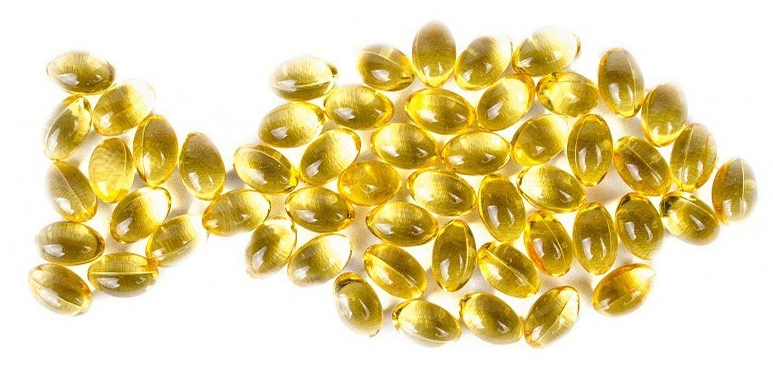
An emerging genetic technology that makes oilseed crops produce omega-3 fatty acids promises health and sustainability benefits, but there’s a potential adverse impact on insects that hardly anyone is talking about. Lynn Dicks and Xavier Le Roux round off our ‘On the horizon’ series. Polyunsaturated, long chain omega-3 fatty acids are the reason why healthy diet recommendations usually include seafood and oily fish like salmon, … Continue reading On the horizon: omega-3 fatty acids in oil crops – saving fish or threatening insects?

Creating platforms for community participation in the design of multifunctional landscapes

Integrating social and ecological science to develop landscape-focused solutions to environmental problems, Osiman Mabhachi shares the story of a project supported by the British Ecological Society’s Ecologists in Africa grant. Rural communities across Africa connect to landscapes in diverse and complex ways, and communities’ dependence on natural resources found in landscapes is well-documented. As with other continents, African landscapes are undergoing transformations primarily driven by … Continue reading Creating platforms for community participation in the design of multifunctional landscapes

On the horizon: Food for the future – regulating gene-edited plants

Could gene-edited plants provide better food security? And what are the risks and potential consequences presented by this process? Helen Doran (Senior Specialist, Futures, Natural England) explores these questions in the latest instalment to our ‘On the horizon’ series. ‘Imagine that a cheap, easy-to-use, and rapidly deployable technology could make crops more fertile and strengthen their resistance to threats such as climate change and disease’ … Continue reading On the horizon: Food for the future – regulating gene-edited plants

Integrating ecosystem services into environmental decision making

How can institutions and decision makers better work with practitioners to deliver an effective ecosystem services approach in a world of competing priorities? Read the questions posed by Alina Congreve and Iain Cross, and share your thoughts in the comments below. The related challenges of climate change and biodiversity conservation require decision makers to develop an effective range of policy solutions. One approach is to … Continue reading Integrating ecosystem services into environmental decision making

On the horizon: mercury rising

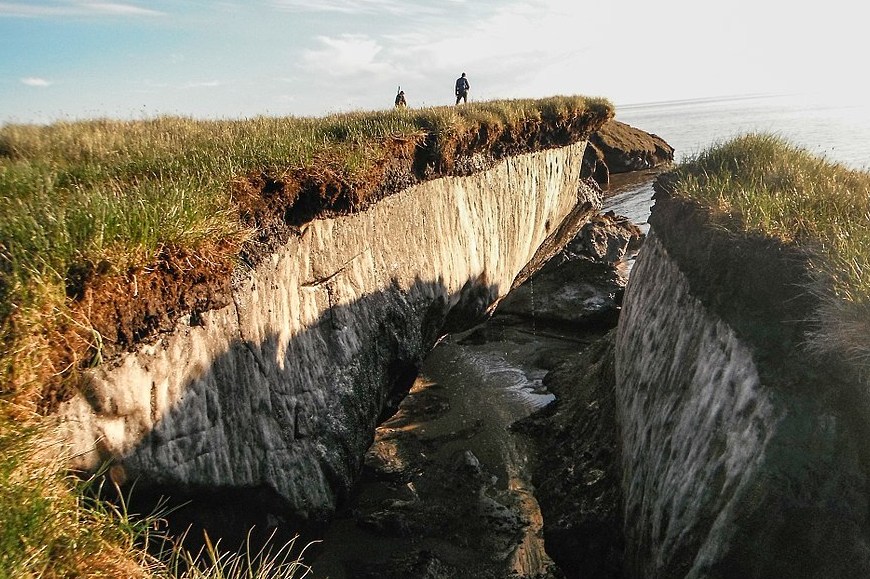
For our latest ‘On the horizon’ post, Colleen Seymour explains how climate change could release vast amounts of mercury into the environment as permafrost melts. Hat making was a particularly hazardous occupation in the 17th century.  Mercuric nitrate was used to soften pelts, and its use in poorly-ventilated rooms almost inevitably led to mercury (Hg) poisoning (‘mecurialism’), which manifested as a combination of psychoses, physical … Continue reading On the horizon: mercury rising

On the horizon: Plastic alternatives – the ecological impact is not always clear

Plastic and plastic pollution have been receiving a lot of attention in the media of late. But, as we explore alternative materials, how do we know what their long-term ecological impacts will be? Becky LeAnstey asks this question in our latest ‘On the horizon’ post.  A world without plastic is difficult to imagine, despite it having only been around for just over a century. Cheap manufacturing costs combined … Continue reading On the horizon: Plastic alternatives – the ecological impact is not always clear

On the horizon: Options for cultivating rice as climate changes and salinity increases

For the latest post in our series looking at developing issues in the world of conservation, Erica Fleishman explores food security and the production of rice in a changing climate. Rising sea levels, drought, and agricultural irrigation have increased the salinity of soils in both coastal and inland areas. Mineral deficiencies and toxicity may accompany local increases in salinity. As a result, scientists aim to … Continue reading On the horizon: Options for cultivating rice as climate changes and salinity increases