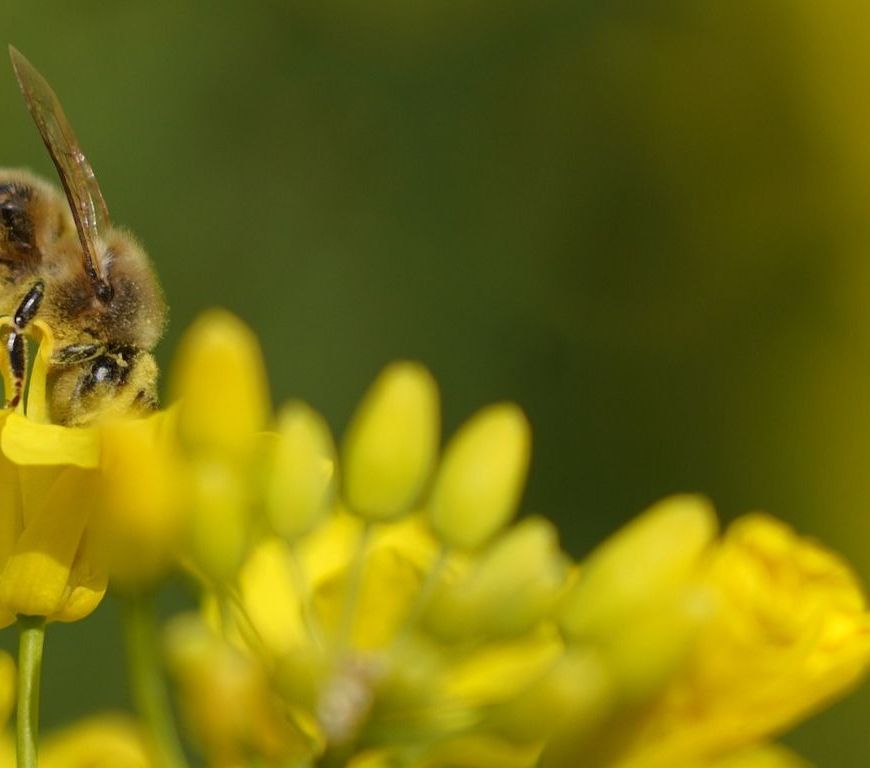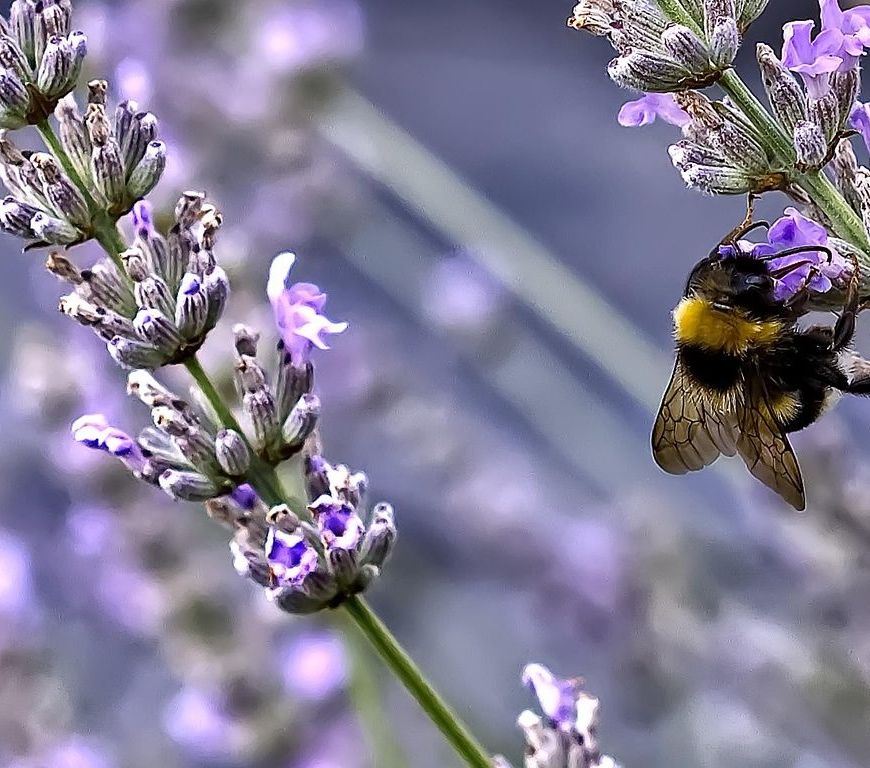
Small fields, big benefits: But only with semi-natural habitats nearby

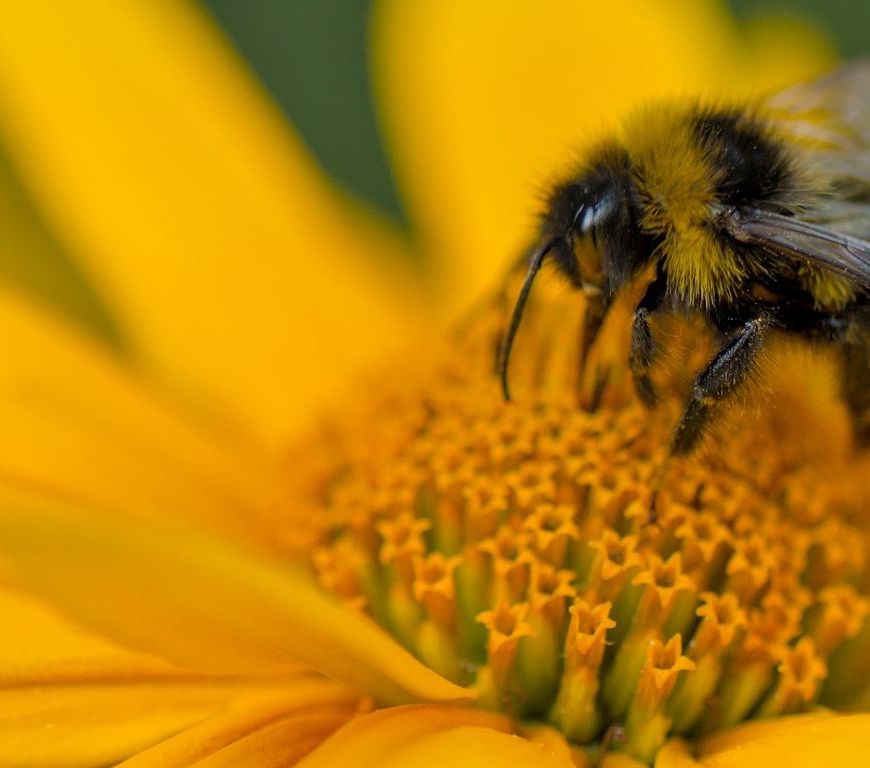
Pollinators, like bumblebees, are essential for agriculture, yet they’re declining due to landscape simplification and habitat loss. In this blog post, Riho Marja and colleagues tell us more about their study. Riho Marja and his team explored the effect of field size on Bumble bee populations in Austria and Hungary. They explored this by setting up 56 commercial bumblebee colonies in Eastern Austria and Western … Continue reading Small fields, big benefits: But only with semi-natural habitats nearby

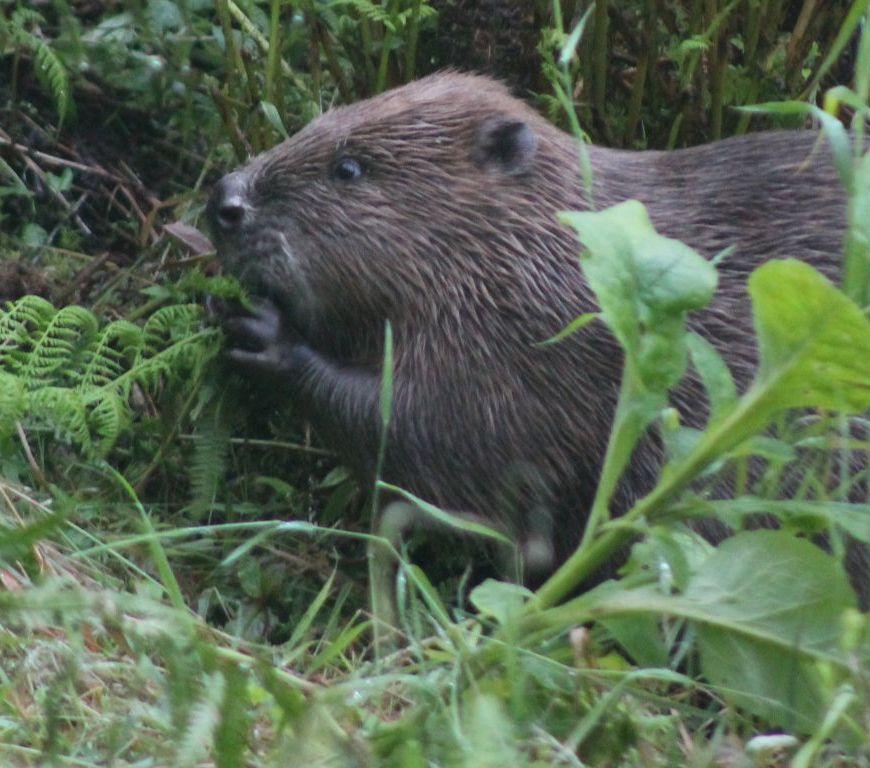
Beaver wetlands create a buzz and a flutter for pollinators

Patrick Cook discusses the impacts of beaver wetlands on pollinator communities, summarising recently-published research. Can beaver wetlands create a buzz and a flutter for pollinators? That’s a question that has occupied my mind since 2022. It began one evening sat at the edge of a beaver wetland looking at Greater Spearwort and wondering what pollinators visit the yellow flowers of this gigantic buttercup! Subsequently the … Continue reading Beaver wetlands create a buzz and a flutter for pollinators

Kaixuan Pan: Dutch landscapes have lost insect-pollinated plants over the past 87  years

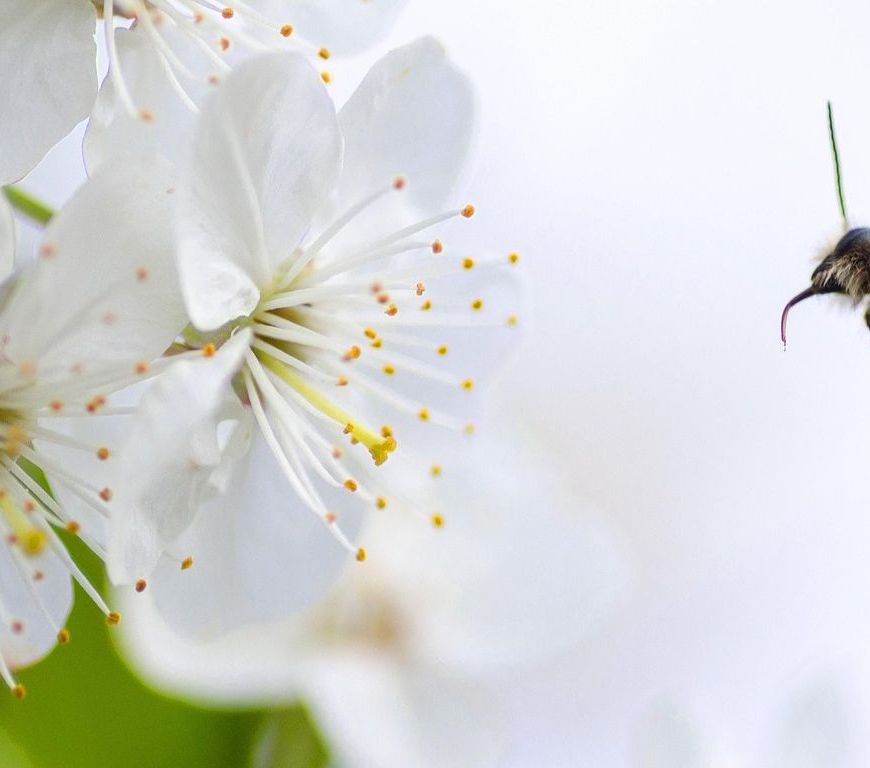
Shortlisted for the 2024 Southwood Prize Kaixuan Pan discusses recent research which assessed the changes in occurrences of plants pollinated by different modes, and explored the persistence of the observed changes under different environmental conditions. About the research Overview Our paper explores how plant communities in the Netherlands have changed over the past 87 years. By analyzing historical and contemporary vegetation data, we examined how … Continue reading Kaixuan Pan: Dutch landscapes have lost insect-pollinated plants over the past 87  years

Honeybees interfere with wild bees in apple pollination in China

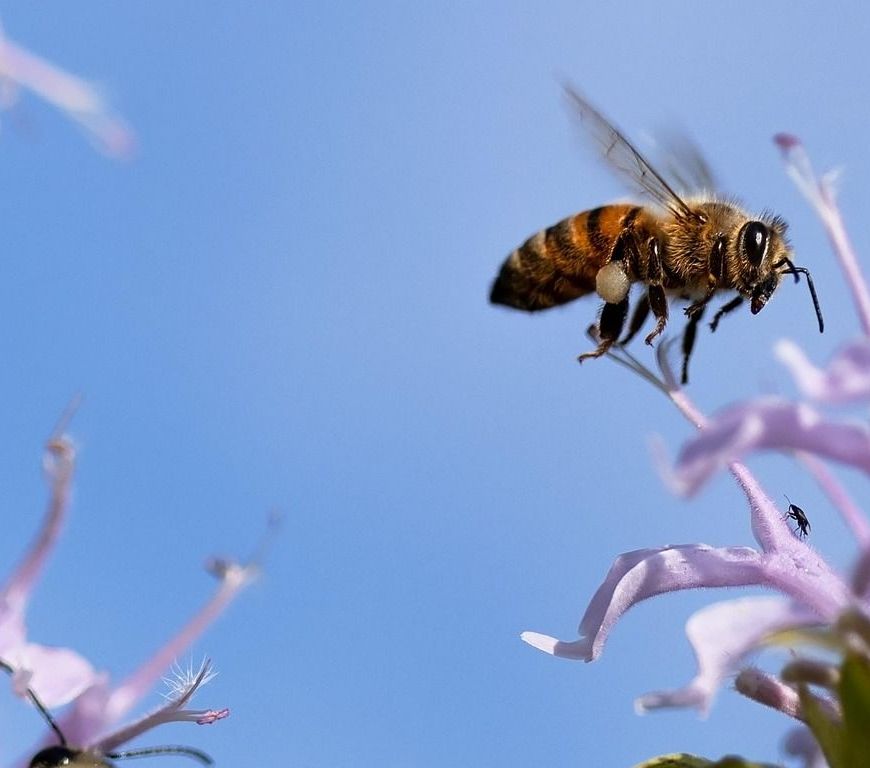
In this blog post, Yunhui Liu and team discuss their latest research into the importance of honeybees and wild bees for apple pollination, as well as whether the contribution of wild bees is influenced by increasing numbers of honeybees. Animal pollination is crucial for sustainable crop production and food security. Although there is a growing reliance on pollinators in crop production, global reports indicate a … Continue reading Honeybees interfere with wild bees in apple pollination in China

Can livestock help restore pollination services?

Anna Traveset and Carlos Lara-Romero talk us through the effect of green infrastructure on the restoration of pollination networks and plant performance in semi-natural dry grasslands across Europe. Alongside colleagues, Traveset and Lara-Romero suggest that enhancing ecosystem functions while avoiding biotic homogenisation is a necessity. Introduction and objectives In Europe, semi-natural grasslands are living treasures, nurtured by traditional pastoralism that has maintained their unique biodiversity.  However, … Continue reading Can livestock help restore pollination services?

Local and landscape scale factors influence pollinators at solar parks

Authors Hollie Blaydes and Alona Armstrong describe their latest research to better understand how pollinators respond to increasing solar park developments. Ground mounted solar parks are becoming increasingly common features of our landscapes and are set to play a pivotal role on the path to net zero. Currently taking up ~15,000 hectares across the UK, more land will be needed for solar parks to meet … Continue reading Local and landscape scale factors influence pollinators at solar parks

A disposição da plantação de café pode aumentar a produtividade e a sustentabilidade?

Gudryan J. Baronio discute sobre o recente estudo, conduzido em colaboração, que enfatiza o papel fundamental dos polinizadores na produção de café e seu impacto nas características dos frutos e sementes. As conclusões do estudo apoiam a otimização dos cafezais através da preservação da vegetação nativa para aumentar a produção de café e conservar a biodiversidade. Continue reading A disposição da plantação de café pode aumentar a produtividade e a sustentabilidade?

Can coffee plantation design boost both productivity and sustainability?

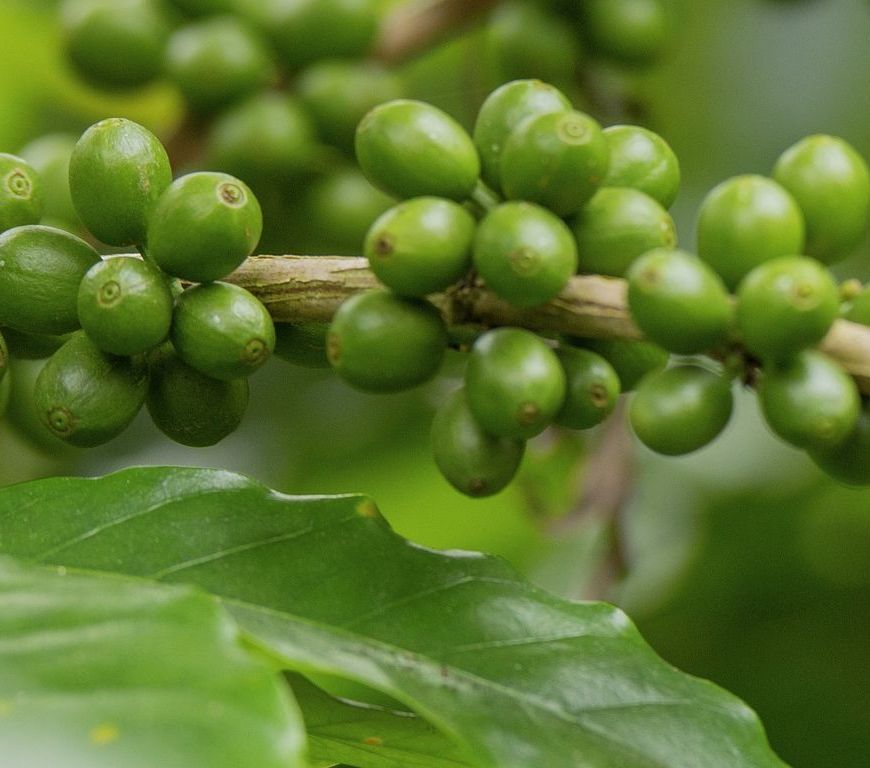
Gudryan J. Baronio discusses a recent study, conducted alongside colleagues, which emphasises the key role of pollinators in coffee production and their impact on fruit and seed characteristics. Their findings support optimising coffee plantation design by preserving native vegetation to increase coffee yields and conserve biodiversity. Continue reading Can coffee plantation design boost both productivity and sustainability?

Bees go up, flowers go down: When are flowers needed most in agricultural areas?

Gabriella Bishop introduces us to the latest study, conducted alongside colleagues, which indicates that agri-environmental management should target the provision of summer floral resources for both social and solitary bees. Bees in intensive agricultural landscapes Bees need flowers for food and reproduction. Previously, agricultural areas contained small fields with undisturbed borders and flower-rich pastures that provided bees with the resources they need. The transition to … Continue reading Bees go up, flowers go down: When are flowers needed most in agricultural areas?

Unravelling the seasonal dance: How flowering crops impact wild pollinators

Laura Riggi talks us through the latest research, conducted with colleagues, which confirms that mass-flowering crop cultivation alone is unlikely to be sufficient for maintaining pollinators. However, as part of carefully designed diverse crop rotations or mixtures combined with the preservation of permanent non-crop habitats, it might provide valuable supplementary food resources for pollinators in temperate agroecosystems, particularly later in the season when alternative flower … Continue reading Unravelling the seasonal dance: How flowering crops impact wild pollinators