Seals avoid an operating tidal turbine

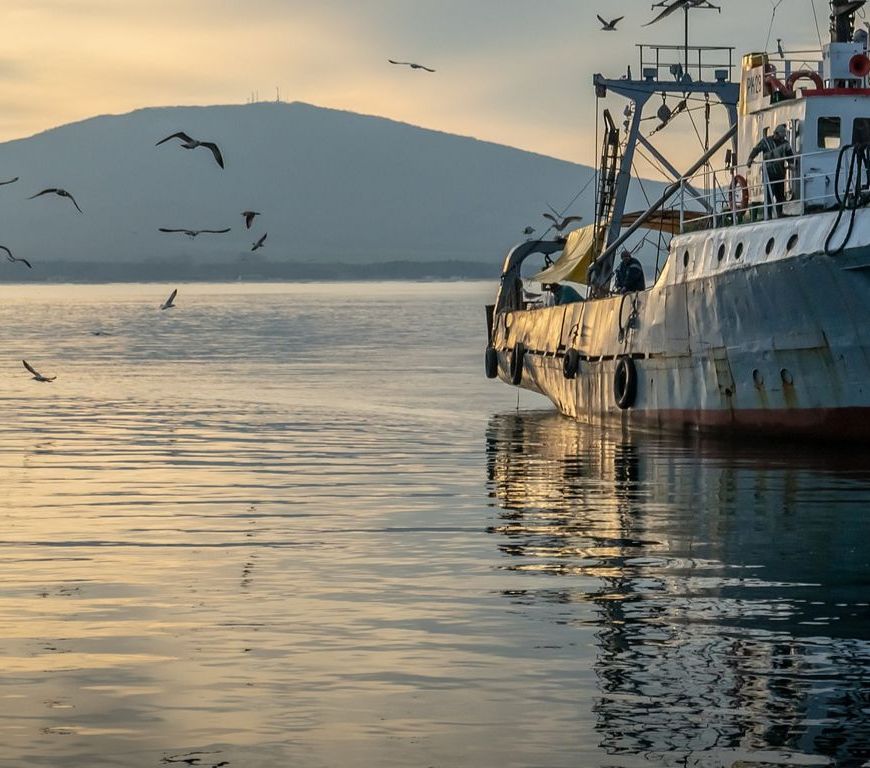
Authors of a recently published study discuss how their research discovered that seals exhibit avoidance of turbines during operation. This finding is important for industry developers and regulators, as lower numbers of seals close to the turbine reduces the potential for fatal collisions and injuries. The rise of the tidal energy industry The marine renewable energy sector is growing rapidly. Offshore wind is well established, … Continue reading Seals avoid an operating tidal turbine

The story behind the research: “Combining detection dogs and camera traps improves cheetah monitoring”

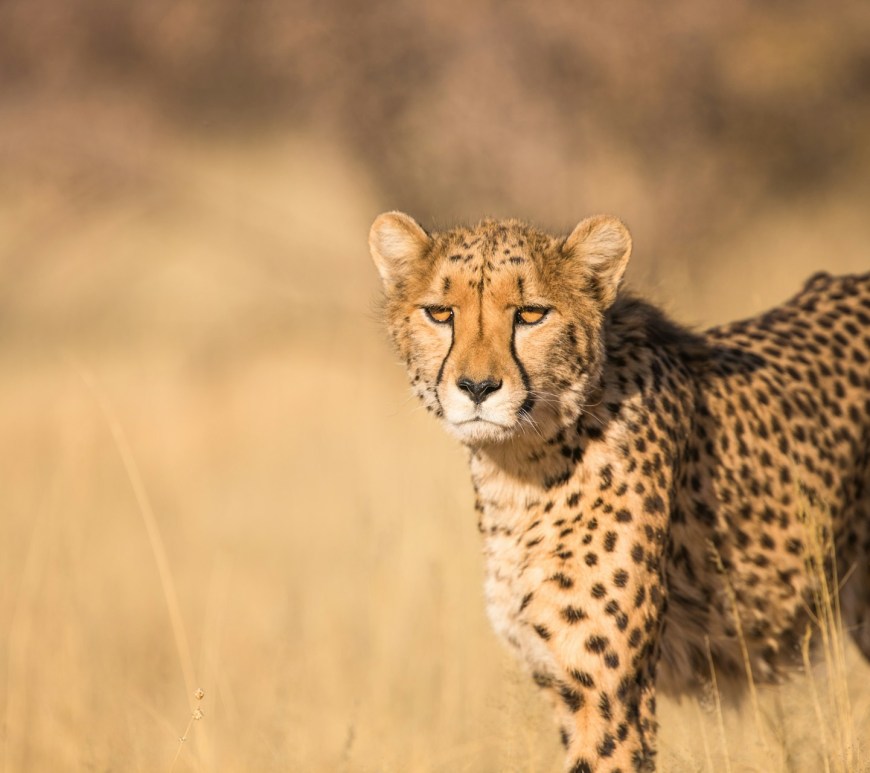
Tim Hofmann and Stijn Verschueren from the Cheetah Conservation Fund in Otjiwarongo, Namibia investigate how to effectively monitor cheetah populations. Cheetahs are Africa’s most endangered big cats, with fewer than 7,100 individuals left in the wild, scattered across less than 9% of their historical range. These estimates are largely based on expert opinions and few well-studied populations. In many parts of the cheetah’s range, we … Continue reading The story behind the research: “Combining detection dogs and camera traps improves cheetah monitoring”

Grizzly bears and wolves avoid busy hiking trails more than previously thought

Peter Thompson explains how, alongside colleagues, the spatial distribution and interactions of grizzly bears (Ursus arctos), grey wolves (Canis lupus), and humans within the central Canadian Rocky Mountains were monitored and assessed in their latest study. Human recreation and wildlife The Bow River Valley in Alberta, Canada is a global hotspot for outdoor recreation, attracting millions of visitors annually to enjoy the spectacular landscapes of … Continue reading Grizzly bears and wolves avoid busy hiking trails more than previously thought

Keeping our havened populations fighting fit: Do native predators help Australian mammals face invasive cats and foxes?

Linking to the recently-published article, Natasha Harrison discusses whether native predators inside ‘predator-free’ havens could be good for the conservation of threatened native prey species. Predator-free havens Since their introduction into the Australian landscape following European settlement, feral cats and red foxes have caused prolific population declines among our native fauna. The extinction of Australian mammals makes up more than two thirds of contemporary global … Continue reading Keeping our havened populations fighting fit: Do native predators help Australian mammals face invasive cats and foxes?

Remote sensing: A key to monitoring tropical forest restoration

Laura Vedovato introduces readers to a range of remote sensing tools, explaining how they can be applied to topical forests to monitor the effectiveness of restoration efforts. Read more in the original Review article. Introduction In recent years, global commitments to forest restoration, like the UN Decade on Restoration and the Global Biodiversity Framework, have highlighted the need for scalable, effective ways to track progress. … Continue reading Remote sensing: A key to monitoring tropical forest restoration

Revealing the hidden lives of non-breeding Black-tailed Godwits

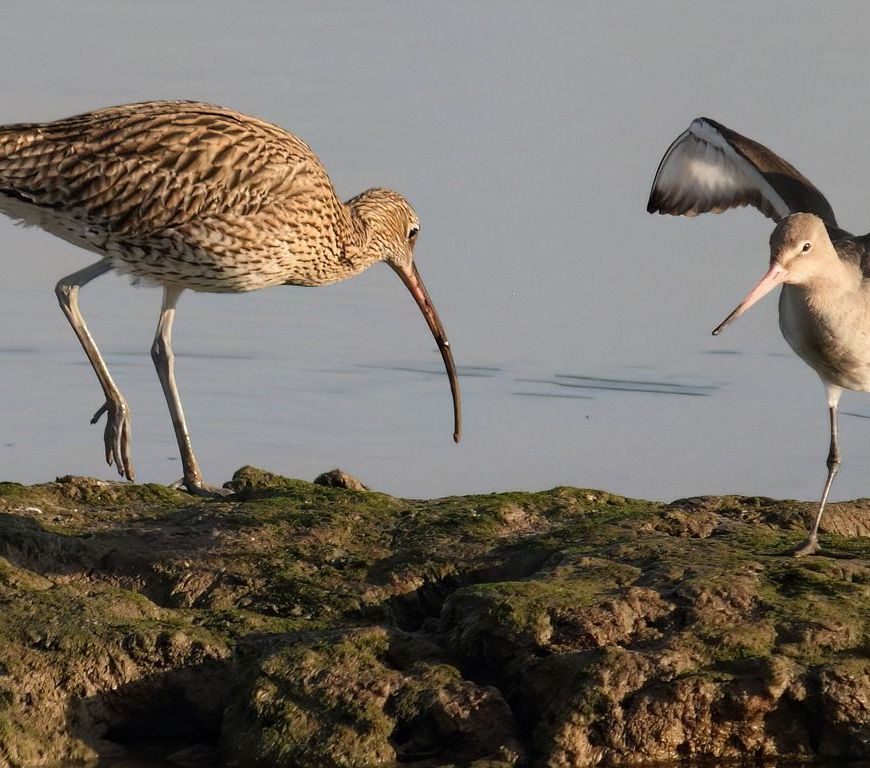
In this blog post, Taylor Craft discusses the use of GPS tracking and satellite imagery to uncover the lives of Black-tailed Godwits in the Senegal Delta. You can read their latest study, published alongside co-authors, here. A pressing challenge The landscapes of the endangered continental Black-tailed Godwit face increasing pressures at nearly every key site along their migratory route. With poor recruitment limiting population growth, … Continue reading Revealing the hidden lives of non-breeding Black-tailed Godwits

Collision avoidance: Navigating ships through recovering whale populations

In this blog post, Emily Hague and team discuss their latest research into the importance of careful consideration of collision-mapping approach and data selection when it comes to predicting high-risk vessel collision areas for whales. For conservationists and those that care about nature and our planet, the news can feel incredibly bleak, with daily (deservedly) scary stories of extreme climate change related temperatures, species fighting … Continue reading Collision avoidance: Navigating ships through recovering whale populations

Evaluating songbird vulnerability to offshore wind turbine mortality

Leon Green-Tkacenko and co-authors share insight into their recent study that explores how existing vulnerability indices for seabirds can be applied to migrating songbirds, and potentially other migrating birds, in evaluating vulnerability to offshore wind turbine morality. What is the problem? Climate change is the most pressing threat to biodiversity in the 21st century andaddressing this threat will require substantial changes to how we generate … Continue reading Evaluating songbird vulnerability to offshore wind turbine mortality

Spearfishing-fish behavioural interactions as predator-prey systems to envision better management

Author Valerio Sbragaglia and his colleagues guide us through a recent study which advances the understanding of spearfisher-fish behavioural interaction by integrating ecological indicators (i.e., flight and post flight behaviour of fish) with spearfishers’ likelihood to catch a fish. Through modelling and simulating scenarios, their study sheds light on management implications in exploited fish populations. Exploring spearfishing and fish behaviour If you ask spearfishers, they … Continue reading Spearfishing-fish behavioural interactions as predator-prey systems to envision better management

Tracking koalas – how airborne DNA can help us

In this blog post, Nicola Jackson shares the findings from their latest study looking at how sampling air particles to detect DNA can be useful in monitoring and conserving koalas. Perched high up in a Eucalyptus tree, swaying from side to side, lies a sleepy koala unaware of the means spent each year trying to obtain accurate baseline information about its presence. We have thrown … Continue reading Tracking koalas – how airborne DNA can help us