Could the Freshwater Network help to solve the freshwater biodiversity crisis?

Three authors of a new paper from Freshwater Habitats Trust explain how a new approach to managing the whole freshwater environment – the Freshwater Network – could help us reverse the decline in freshwater biodiversity across England, Wales and beyond. What is the Freshwater Network?The Freshwater Network is: 1. A conceptual framework which recognises the interconnected and interdependent nature of freshwater ecosystems across habitat types. … Continue reading Could the Freshwater Network help to solve the freshwater biodiversity crisis?

The launch of Plain Language Summaries: Journal of Applied Ecology

Following author feedback collected as part of our recent Editorial on how we can make research published in Journal of Applied Ecology more accessible, we are delighted to announce the launch of Plain Language Summaries. What are they? Plain Language Summaries, also referred to as lay summaries, are simple short-form overviews of published academic articles. Their main aim is to ensure that research is made … Continue reading The launch of Plain Language Summaries: Journal of Applied Ecology

Listening to solitary bees to learn about their activity patterns

Susič et al. share their experience studying solitary bee activity at nesting boxes using passive acoustic monitoring and analysing the data using neural networks. There are thousands of species of solitary bees and they play important roles in their ecosystems, the best known being the pollinators of various plants. Several species choose holes in wood to make their nests – they fill each chamber they … Continue reading Listening to solitary bees to learn about their activity patterns

Don’t forget the little guys: improving monitoring efforts for African small carnivores

Small carnivores are ecologically important species and key indicators of environmental change. However, for many of these species, we lack robust information on their conservation status, geographic distribution, and tolerance to anthropogenic threats. In this post, researchers from Nelson Mandela University share their experience with an emerging camera trapping method aimed at improving monitoring efforts for African small carnivores. For a wide array of species, … Continue reading Don’t forget the little guys: improving monitoring efforts for African small carnivores

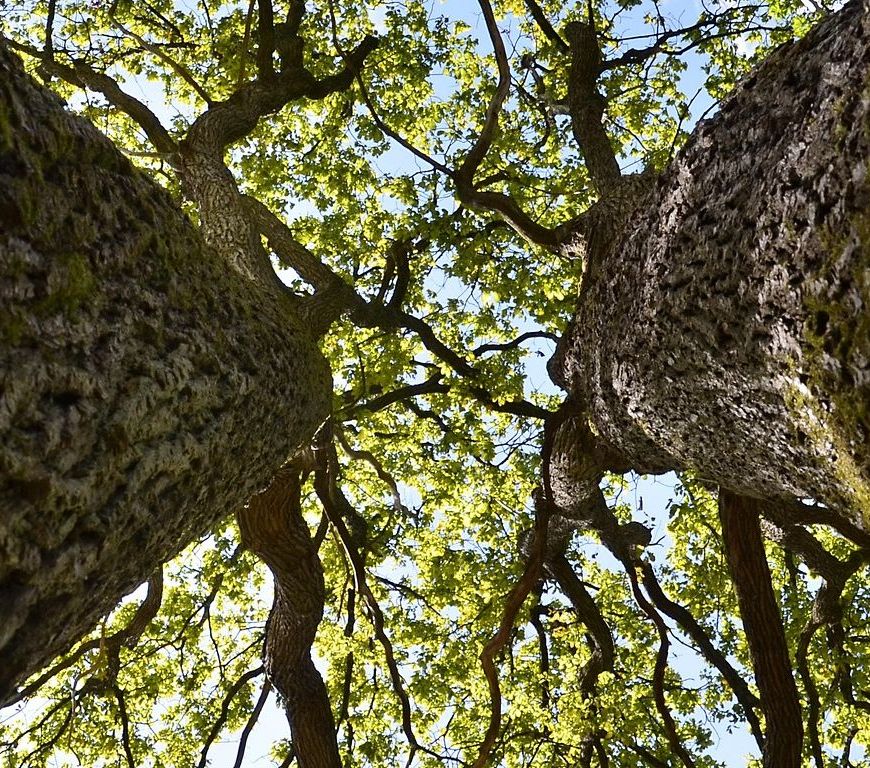
Documenting decades of change in urban ancient woodlands

Holly Clare Woo shares her team’s experience investigating the impact of urbanisation on ancient woodlands in the UK. Imagine yourself in an ancient woodland: with a dappled canopy of broadleaf trees, some showing signs of historic coppicing, and a carpet of English bluebells, studded with Wood Anemones, Greater Stitchwort, Early Purple orchids, Herb Paris and other rare and specialist woodland species. You are in a … Continue reading Documenting decades of change in urban ancient woodlands

Impacts of proactive health management on cattle and horse diets and dung biodiversity in Danish rewilding areas

Emil S. Thomassen explains the recent diet study of rewilded cattle and horses, showing functional differences between the two species and reveals the impacts of management actions on this functionality as described in their latest research. The use of DNA metabarcoding for herbivorous diet analysis is a promising tool, yielding high-resolution data on plant consumption. In a time, where nature restoration and conservation are of … Continue reading Impacts of proactive health management on cattle and horse diets and dung biodiversity in Danish rewilding areas

Conspecific vocalisations as a Wryneck conservation tool: if you play it, will they settle? 

Paula Schatte and co-authors share insight from their recent study examining the relative importance of food availability and conspecific vocalisations for breeding habitat selection during both the prospecting and breeding periods of a regionally endangered woodpecker, the Eurasian Wryneck (Jynx torquilla).  What is the problem?  The Wryneck suffered a long-term decline in western and northern Europe until the beginning of the 21st century, mainly due … Continue reading Conspecific vocalisations as a Wryneck conservation tool: if you play it, will they settle? 

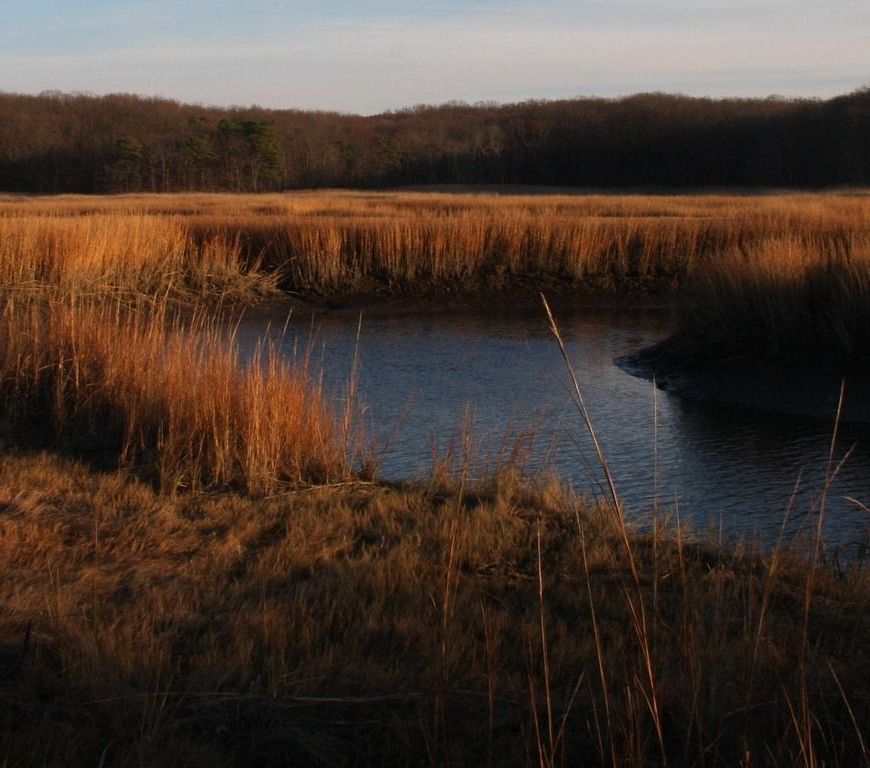
Smarter planning to bring rivers back to life

In this blog post, Virgilio Hermoso explains how to plan the recovery of longitudinal and lateral connectivity to restore free-flowing rivers in their latest study. Rivers are more than lines on a map—they are living networks. They connect mountains to coasts, nourish floodplains, and support incredible biodiversity. But over the past century, we have fragmented these systems with dams, weirs, levees and floodwalls, breaking the … Continue reading Smarter planning to bring rivers back to life

Research and Elimination of Archipelago Racoon Dogs

Mikko Toivola and co-authors share a summary about their latest study which focuses on the movements of an invasive mesopredator within the Archipelago areas of Finland. The raccoon dog has been known to occur in the archipelago areas of Finland for a long time. However, the role of the species as part of the archipelago ecosystem is largely unknown. How many individuals live in a … Continue reading Research and Elimination of Archipelago Racoon Dogs

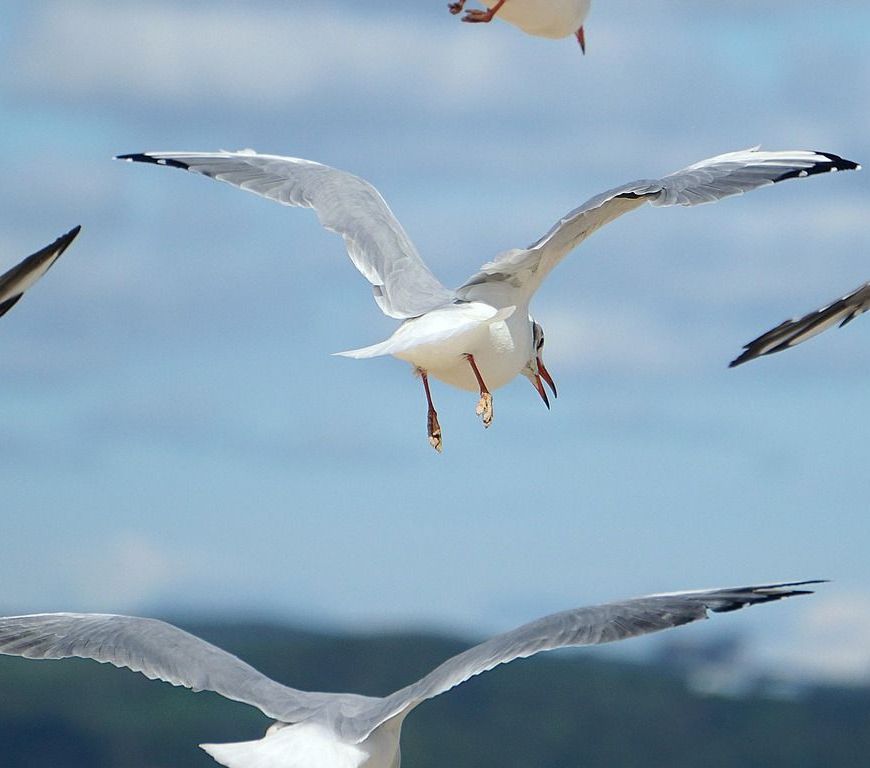
Albatrosses make distinct flight hops when following fishing vessels

In their new study, “Immersion patterns alone can predict vessel following by albatrosses”, Jonathan Rutter et al. present a new behaviour-based method to detect previously hidden interactions between seabirds and fishing vessels. In oceans around the world, seabirds follow fishing vessels looking for easy meal. This puts them at risk of bycatch, when birds are killed after getting caught or colliding with fishing gear. A … Continue reading Albatrosses make distinct flight hops when following fishing vessels