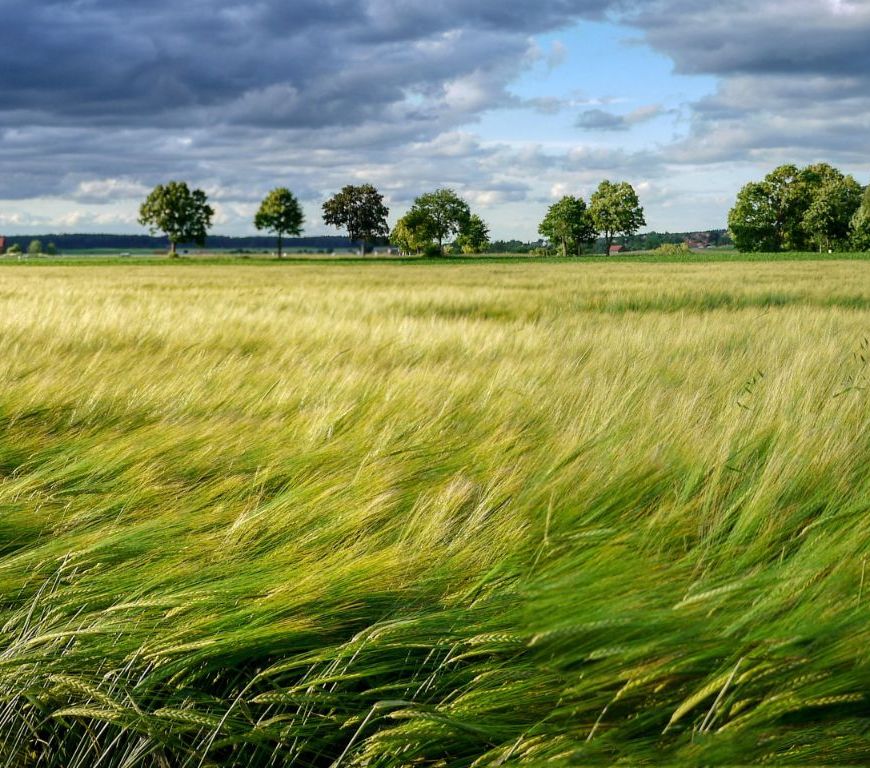
The proximity of rapeseed fields influences levels of forest damage by red deer

Deer can show transitional use between agricultural fields and forests for foraging and shelter which may have an effect on the level of forest damage. In their latest research, Anders Jarnemo and colleagues investigate this relationship by studying red deer in Skåne, Sweden. Red deer (Cervus elaphus) have been observed to cause severe damage to forest plantations through bark stripping, with tree species such as … Continue reading The proximity of rapeseed fields influences levels of forest damage by red deer

How can we limit wind turbine impacts on biodiversity?

There are growing concerns about the impact of renewable energy development on biodiversity. In their latest research, Camille Leroux and colleagues from the National Museum of Natural History of Paris, France, explore how wind turbines impact bat spatial distribution. World-wide policies have led to a drastic increase in renewable energy developments to tackle climate emergencies, either using solar, tidal or wind energy. While these energies … Continue reading How can we limit wind turbine impacts on biodiversity?

Machine learning has an important role to play in marine conservation

Ecological monitoring is critical for conservation efforts, yet these data often feature strong class imbalances which complicate the development of models to predict such events. In their latest research, Michael W. Wade and colleagues propose two modelling frameworks for predicting exceptionally rare aggregatory behaviour of bull and blacktip sharks along the Gulf coast of Texas. Across many industries, leaders have begun leveraging the immense potential of … Continue reading Machine learning has an important role to play in marine conservation

Research stories: Boxing for conservation

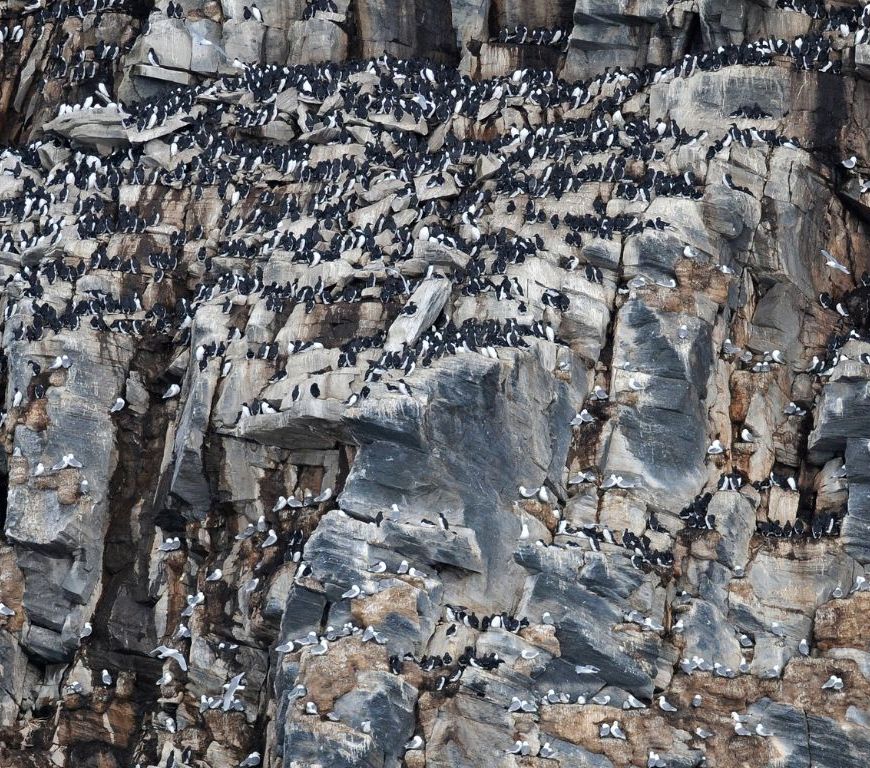
Authors Brian Burke and Darren O’Connell discuss the conservation of roseate terns at Europe’s largest colony on Rockabill Island in Dublin, Ireland, with their latest research highlighting the important role artificial nestboxes have played in the species’ population growth and recovery. The role of a tern warden on Rockabill Island has been described on more than one occasion as a dream job. A summer spent … Continue reading Research stories: Boxing for conservation

Applied autoethnography: A method for reporting best practice in ecological and environmental research

Kilian Murphy and colleagues propose applied autoethnography, a form of structured reflection whereby researchers use personal experience to contribute to understanding collaborative processes, as a repeatable protocol to describe inter-organisational interactions during the research process in ecology and environmental research. The publication of a scientific manuscript is the culmination of the long process of research, whereby the scientist shares the results of their study in … Continue reading Applied autoethnography: A method for reporting best practice in ecological and environmental research

Mapping 35 years of prescribed fire history

Authors Erin Rowland-Schaefer and Elizabeth Bach describe their latest Data Article presenting a visual record of the long fire history of Nachusa Grasslands, a tallgrass prairie restoration site in Illinois, USA. Fire has played a significant role in the development and management of tallgrass prairie ecosystems since before European colonization. While historically, fire was used by Indigenous communities to manage the movements of bison, today, … Continue reading Mapping 35 years of prescribed fire history

Badger social structure maintained despite selective culling

In their new study, Allen et al. present a case study in Northern Ireland (NI) showing how selective culling can be less disruptive to badger social structures than indiscriminate culling. This method could be an effective and more socially acceptable means of controlling bovine tuberculosis (bTB) in wildlife. The SARS-CoV-2 pandemic has raised consciousness on the issue of human disturbance of ecosystems and how this … Continue reading Badger social structure maintained despite selective culling

Eight steps to urban amphibian conservation: Framework to translate ecological knowledge to action

New research by Lee et al. demonstrates the utility of an eight-step framework to identify priority wetland habitats and movement corridors for urban amphibian conservation in cities. Author Nicole Kahal explains more in this blog post. Amphibians are one of the most imperilled species assemblages with diversity and abundance declines reported globally. Considered a key indicator of ecological condition, amphibians face many challenges in the … Continue reading Eight steps to urban amphibian conservation: Framework to translate ecological knowledge to action

Jenis pohon mana yang bertahan dan tumbuh paling baik saat merestorasi hutan rawa gambut yang terdegradasi?

Posting ini juga tersedia dalam bahasa Inggris di sini Sementara kelestarian dan perlindungan hutan adalah yang terpenting, upaya yang besar sekali sedang berlangsung secara global untuk memulihkan hutan yang rusak dan hilang, terutama di daerah tropis. Dalam penelitian terbaru mereka, Smith dan rekan meninjau kelangsungan hidup dan pertumbuhan jenis pohon dalam proyek- proyek reforestasi lahan gambut tropis di seluruh Asia Tenggara. Lahan gambut tropis mencakup … Continue reading Jenis pohon mana yang bertahan dan tumbuh paling baik saat merestorasi hutan rawa gambut yang terdegradasi?

Which tree species survive and grow best when restoring a degraded peat swamp forest?

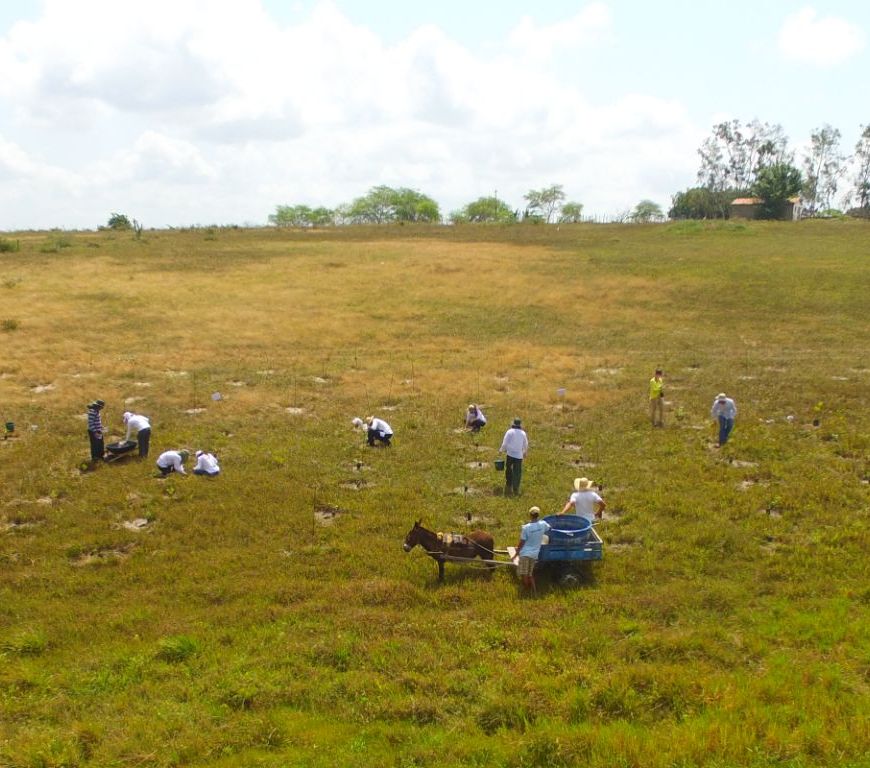
This post is also available in Indonesian here. Whilst preserving and protecting forests is crucial, tremendous efforts are on-going globally to restore degraded and lost forests, particularly in the tropics. In their latest research, Smith and colleagues review tree survival and growth in tropical peatland reforestation projects across Southeast Asia. Tropical peatlands cover a small area globally, but are dense stores of carbon. Waterlogged conditions … Continue reading Which tree species survive and grow best when restoring a degraded peat swamp forest?