A new way to reduce the introduction of exotic pests and diseases in trees into the UK

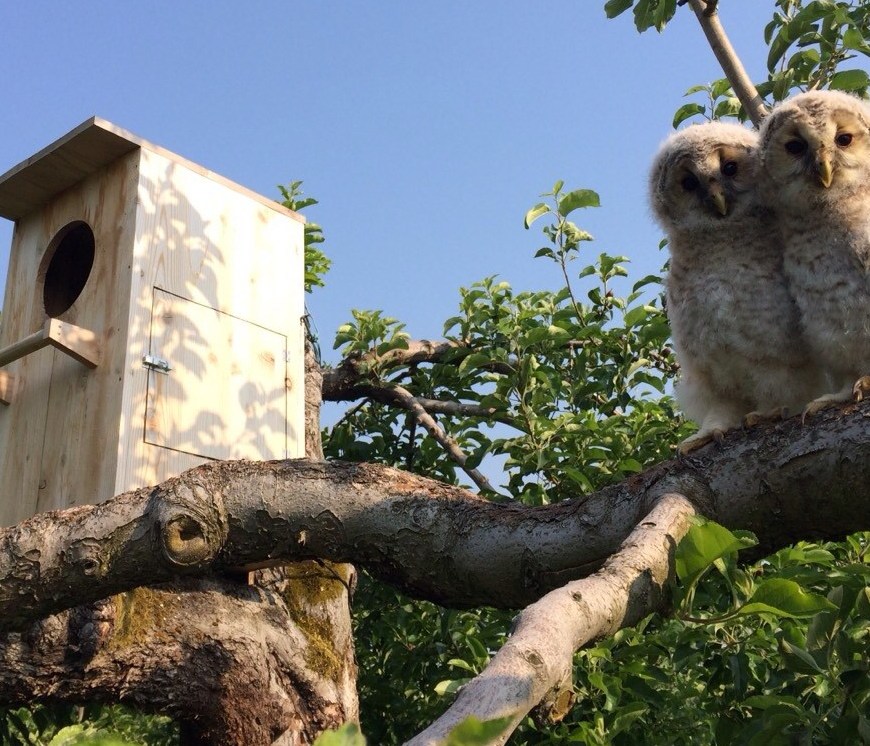
New research highlights the need for policies that encourage nurseries to produce home-grown plants and thus reduce the risk of importing tree pests and diseases that threaten the UK’s woodland. Author of Variability in commercial demand for tree saplings affects the probability of introducing exotic forest diseases, Vasthi Alonso Chavez and British Ecological Society Policy Manager, Brendan Costelloe explain more. A Spanish version of this … Continue reading A new way to reduce the introduction of exotic pests and diseases in trees into the UK

Nuevas estrategias para reducir la introducción de enfermedades forestales exóticas al Reino Unido

Vasthi Alonso Chavez and Brendan Costelloe on Variability in commercial demand for tree saplings affects the probability of introducing exotic forest diseases. English version available here. La industria viverista del Reino Unido genera ingresos económicos sustanciales a través del movimiento y comercialización de árboles a gran escala. Sin embargo, esta comercialización puede ser un vehículo para la introducción de plagas y enfermedades forestales. La importación de … Continue reading Nuevas estrategias para reducir la introducción de enfermedades forestales exóticas al Reino Unido

Better many small than a few large: how landscape configuration affects arthropod communities in rice agroecosystems

Can splitting agricultural ecosystems help reduce yield losses for rice farmers? Associate Editor, Juan Corley highlights the importance of Dominik et al.’s recent research, Landscape composition, configuration, and trophic interactions shape arthropod communities in rice agroecosystems. A Spanish version of this post is available here. For many of us city dwellers, rice is common in much modern cuisine, from Sushi to Spanish paella. However more … Continue reading Better many small than a few large: how landscape configuration affects arthropod communities in rice agroecosystems

Identifying lurking garden invaders promoted by climate change

In our changing climates, some introduced ornamental plant species could establish themselves and become invasive. Emily Haeuser and colleagues present a new model for helping assess naturalization risk in their article, European ornamental garden flora as an invasion debt under climate change. Invasive species can cause significant ecological and economic damage worldwide. They can disrupt ecosystem services, and put threatened and endangered species at risk … Continue reading Identifying lurking garden invaders promoted by climate change

Long-term decline in prey increases predator competition

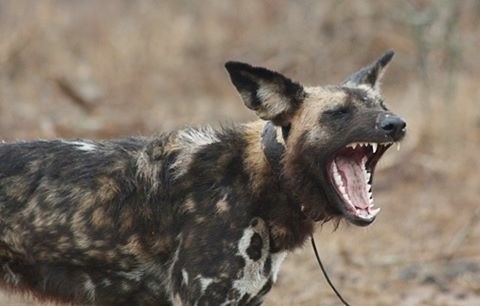
Bringing together data from a 50-year period to better-understand predator-prey interactions. Associate Editor, Matt Hayward discusses the recently published article, Changes in African large carnivore diets over the past half‐century reveal the loss of large prey by Creel et al. Much of our understanding of ecology comes from systems that are assumed to represent the way life has interacted for millennia. Yet this assumption is … Continue reading Long-term decline in prey increases predator competition

How are these elephants doing 35 years after being reintroduced as under-5s? The Hluhluwe-iMfolozi Park story

In 1981, after nearly 100 years of absence, the first elephants were reintroduced to the Hluhluwe-iMfolozi region of KwaZulu-Natal, South Africa. Remarkably, all 200 elephants reintroduced over the next 15 years were juveniles (around 2-5 years of age). The new paper by Tim Kuiper, and Dave and Heleen Druce, Demography and social dynamics of an African elephant population 35 years after reintroduction as juveniles, shows how this unusual … Continue reading How are these elephants doing 35 years after being reintroduced as under-5s? The Hluhluwe-iMfolozi Park story

Predicting future invaders in Europe

As our climate warms non-native plant species, introduced for their aesthetic appeal, have the potential to naturalize. Associate Editor, Rafael Zenni discusses research by Emily Haeuser and colleagues that aims to manage this risk. European ornamental garden flora as an invasion debt under climate change is published in Journal of Applied Ecology. A Portuguese version of this post is available here. Thousands of plant species have been … Continue reading Predicting future invaders in Europe

What’s the meta with bees? Pesticides influence bee learning and memory

Harry Siviter’s article, Quantifying the impact of pesticides on learning and memory, was published yesterday (Wednesday 11th July 2018). Here he explains why policy makers need to consider the effects of agrochemicals on pollinators. Foraging bees have a tough time of it. In social bees, such as bumblebees and honeybees, workers have to forage across large landscapes, collecting nectar and pollen from flowers as they … Continue reading What’s the meta with bees? Pesticides influence bee learning and memory

Demographic response to patch destruction in an endangered amphibian

Is rehabilitation always a good thing? Hugo Cayuela suggests alternative approaches for forest managers following the recently published article, Demographic response to patch destruction in a spatially structured amphibian population. Economic activities such as logging and mineral extraction can result in the creation of new anthropogenic habitats (e.g. temporary aquatic habitats) that may host specific biodiversity, including protected species. However, legislation in many Western European … Continue reading Demographic response to patch destruction in an endangered amphibian