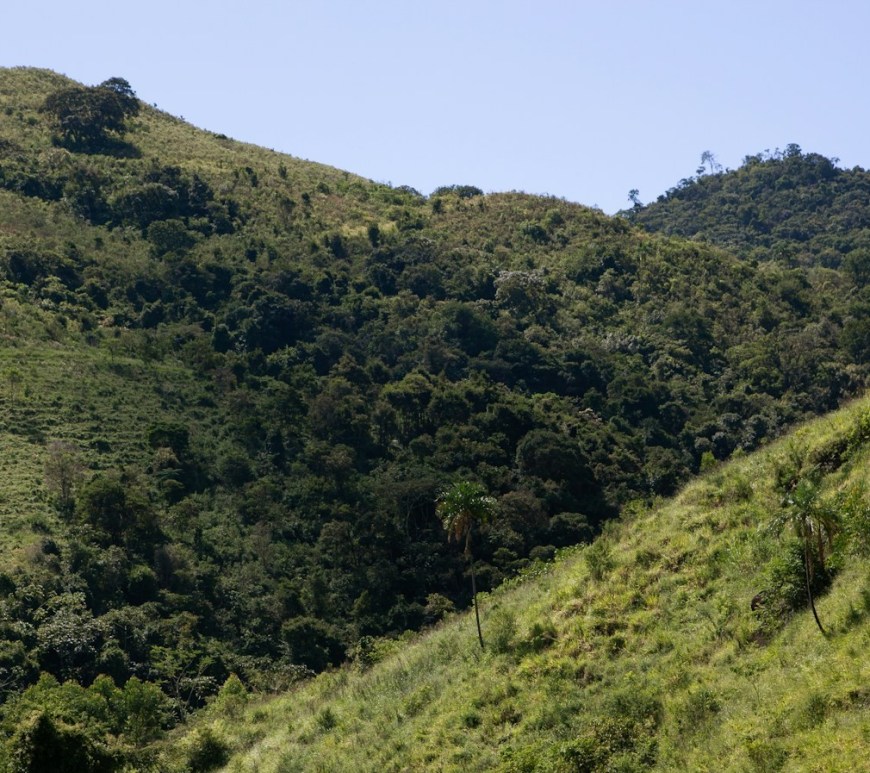
Juliano Zardetto: Widespread negative effects of Leucaena leucocephala (white-popinac) invasion on regenerating areas of the Atlantic Forest

Shortlisted for the Georgina Mace Prize About the research Overview Our research provides evidence on the severe impacts caused by a widespread invasive species in Brazil: Leucaena leucocephala (white-popinac). We reinforce the urgency of avoiding the use of white-popinac in restoration projects and agroforestry, and focusing on early detection and management in recently invaded areas. Against some common sense, we found that white-popinac invasions can … Continue reading Juliano Zardetto: Widespread negative effects of Leucaena leucocephala (white-popinac) invasion on regenerating areas of the Atlantic Forest

Taylor Craft: Remote sensing and GPS tracking reveal temporal shifts in habitat use in nonbreeding Black-tailed Godwits

Shortlisted for the 2025 Southwood Prize About the research Overview For decades, research has focused on the breeding grounds of migratory shorebirds in Northwest Europe. Yet much of their annual cycle is elsewhere along the East Atlantic Flyway, particularly in West Africa. Using tracking data from black-tailed godwits alongside field data from a key nonbreeding site, the Senegal Delta, we examined how different habitats support godwits … Continue reading Taylor Craft: Remote sensing and GPS tracking reveal temporal shifts in habitat use in nonbreeding Black-tailed Godwits

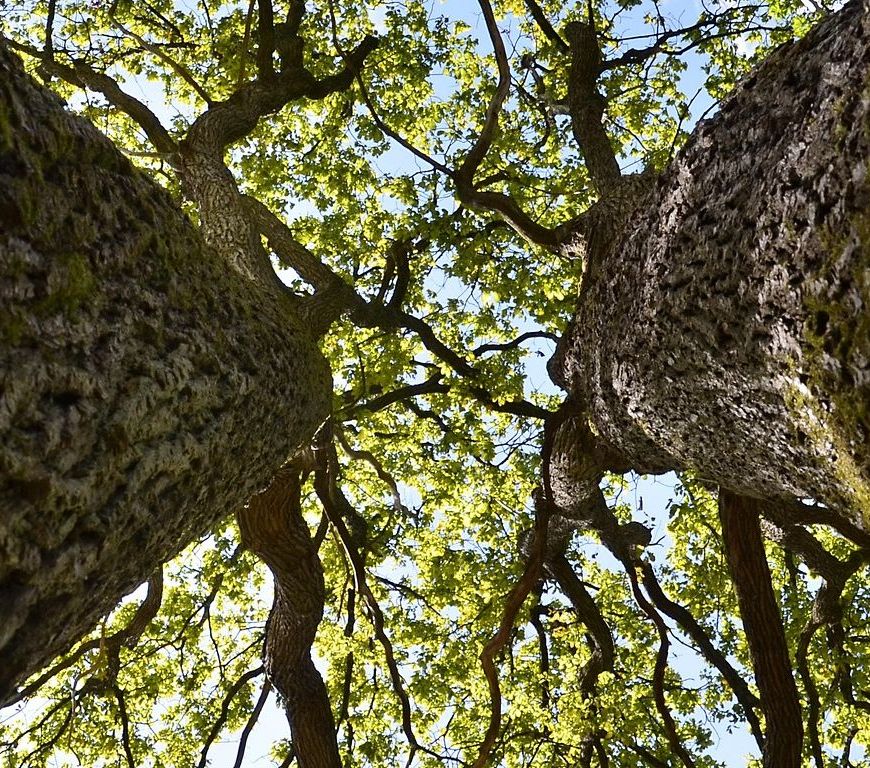
Lovasoa Rakotozafy: How large native trees and leaf litter promote amphibian diversity in Malagasy agroforests

Shortlisted for the 2025 Southwood Prize About the research Overview Agricultural expansion is the main driver of forest loss in many tropical regions including Madagascar, leading to increasingly fragmented habitats and forcing many species to persist in human-dominated landscapes. This creates a major challenge: how can we conserve biodiversity while supporting local livelihoods? Agroforestry is widely promoted as a solution to reconcile conservation and agriculture, but … Continue reading Lovasoa Rakotozafy: How large native trees and leaf litter promote amphibian diversity in Malagasy agroforests

Emily Warner: Integrated above- and below-ground ecological monitoring for nature-based solutions

Shortlisted for the Georgina Mace Prize About the research Overview Our research produced an ecological monitoring framework for practitioners developing nature-based solutions (NbS) projects. Biodiversity should be at the heart of NbS, underpinning the benefits they provide to humans. Being able to effectively track above- and below-ground biodiversity outcomes of projects is key, but can be an overwhelming task for practitioners, faced with a wide … Continue reading Emily Warner: Integrated above- and below-ground ecological monitoring for nature-based solutions

Skjold Alsted Søndergaard: Year-round grazing as a driver of plant diversity

Shortlisted for the 2025 Southwood Prize About the research Overview In temperate Europe, open ecosystems are typically managed through mechanical cutting or seasonal grazing, practices the EU subsidizes to the tune of 6 billion euros annually. Despite these massive financial efforts, protected grasslands are still losing species. My shortlisted paper, based on field data collected during my Master’s and realized during my PhD at Aarhus University, … Continue reading Skjold Alsted Søndergaard: Year-round grazing as a driver of plant diversity

Abigail Keller: Managing a marine invasive species in a changing world

Shortlisted for the 2025 Southwood Prize About the research Overview When should an environmental manager stop resisting change and accept a new ecological trajectory? This question will become a hallmark of natural resource management under global climate change, particularly for a marine invasive species like the European green crab. While this crab species can drive profound ecological change, it can quickly recolonize after removal, leaving many … Continue reading Abigail Keller: Managing a marine invasive species in a changing world

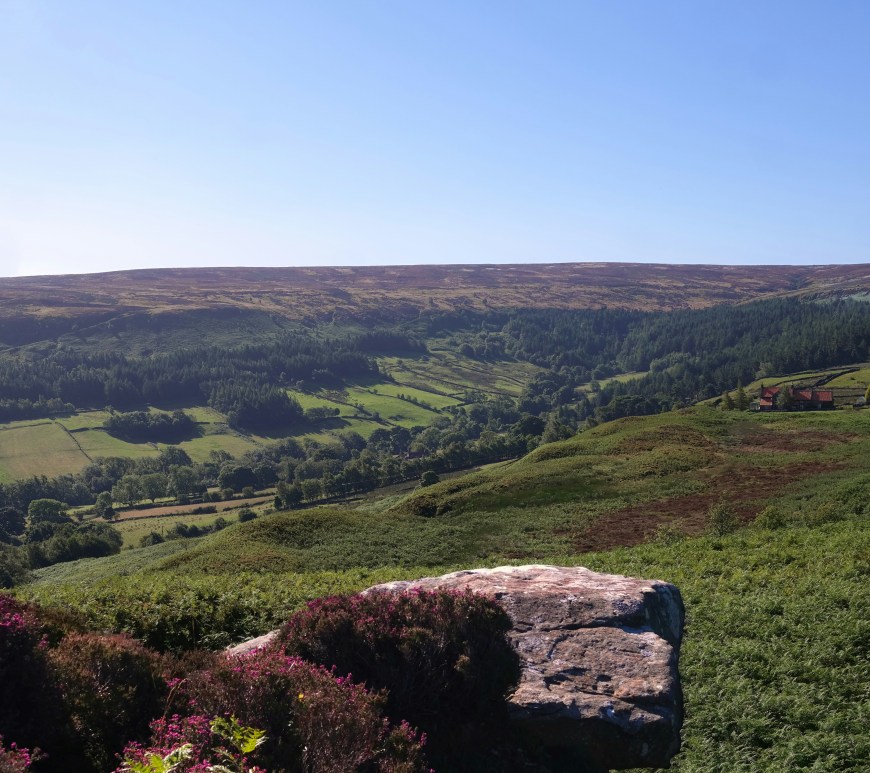
Luisana Barrios: Archetypes of nature-based solutions for farming in the North York Moors National Park

Shortlisted for the Chico Mendes Prize About the research Overview We investigate how Nature-based Solutions (NbS) have been applied within the Farming in Protected Landscapes programme in the North York Moors National Park, analysing how different interventions contribute to biodiversity, ecosystem services and climate adaptation. Our research identifies common archetypes and approaches across 31 projects, such as ecological restoration, water quality enhancement, tree planting and … Continue reading Luisana Barrios: Archetypes of nature-based solutions for farming in the North York Moors National Park

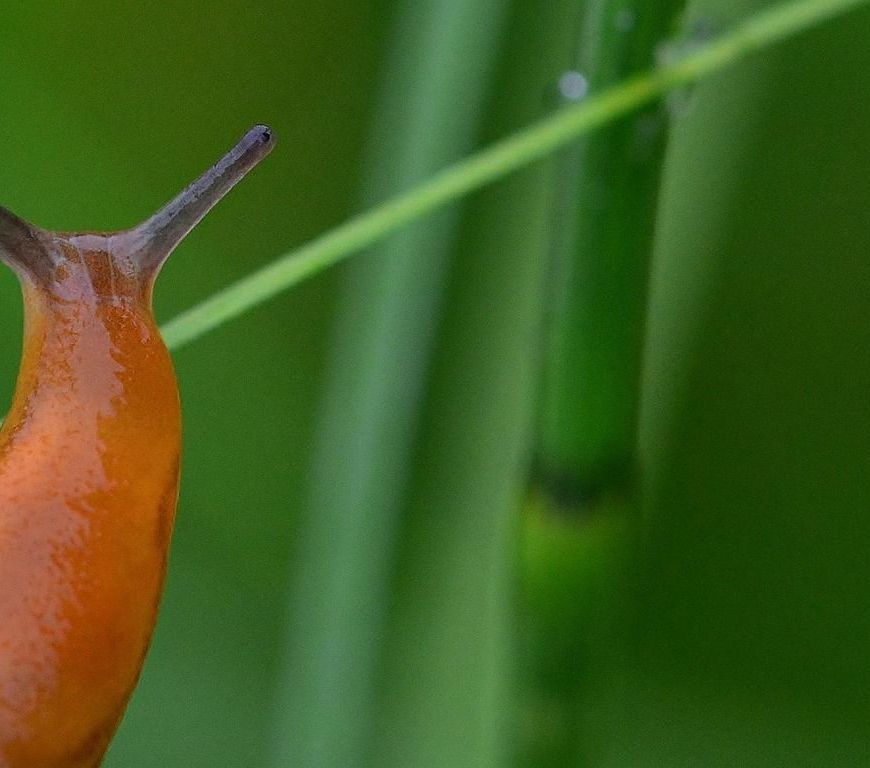
Strip cropping increases the number of slugs and slug predators, but crop damage does not increase

Strip cropping is a farming method in which different crops are grown in adjacent strips in the same field rather than in a field with a single crop (monoculture). This approach can increase biodiversity and help control insect pests, but it is not well understood how strip cropping influences pest slugs. We compared on 20 farms in the Netherlands slugs and their invertebrate predators in … Continue reading Strip cropping increases the number of slugs and slug predators, but crop damage does not increase

Strokenteelt verhoogt het aantal naaktslakken en predatoren van naaktslakken, maar gewasschade neemt niet toe

Strokenteelt is een landbouwmethode waarbij verschillende gewassen naast elkaar in stroken worden geteeld in plaats van in grote percelen met één enkel gewas (monocultuur). Deze aanpak kan de biodiversiteit vergroten en helpen bij de bestrijding van insectenplagen, maar het effect op schadelijke naaktslakken was tot nu toe onduidelijk. Wij onderzochten 20 Nederlandse bedrijven en vergeleken de dichtheid van naaktslakken en hun ongewervelde predatoren in strokenteeltpercelen … Continue reading Strokenteelt verhoogt het aantal naaktslakken en predatoren van naaktslakken, maar gewasschade neemt niet toe

Less people leads to the return of large mammals

Some areas of the world – particularly rural areas – now have less people than they used to. In this Perspective, we: Although the human populations of many countries around the world are still growing, we are only 60-70 years away from a world with a shrinking total population. Understanding how biodiversity responds to a shrinking human population will be critical in the coming years. … Continue reading Less people leads to the return of large mammals