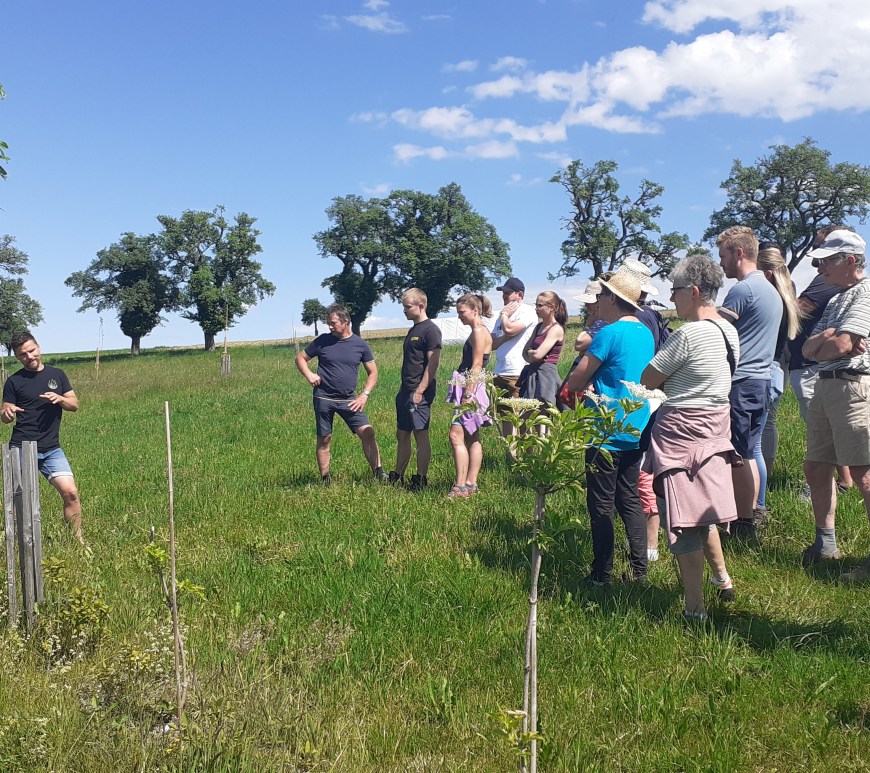
Strokenteelt verhoogt het aantal naaktslakken en predatoren van naaktslakken, maar gewasschade neemt niet toe

Strokenteelt is een landbouwmethode waarbij verschillende gewassen naast elkaar in stroken worden geteeld in plaats van in grote percelen met één enkel gewas (monocultuur). Deze aanpak kan de biodiversiteit vergroten en helpen bij de bestrijding van insectenplagen, maar het effect op schadelijke naaktslakken was tot nu toe onduidelijk. Wij onderzochten 20 Nederlandse bedrijven en vergeleken de dichtheid van naaktslakken en hun ongewervelde predatoren in strokenteeltpercelen … Continue reading Strokenteelt verhoogt het aantal naaktslakken en predatoren van naaktslakken, maar gewasschade neemt niet toe

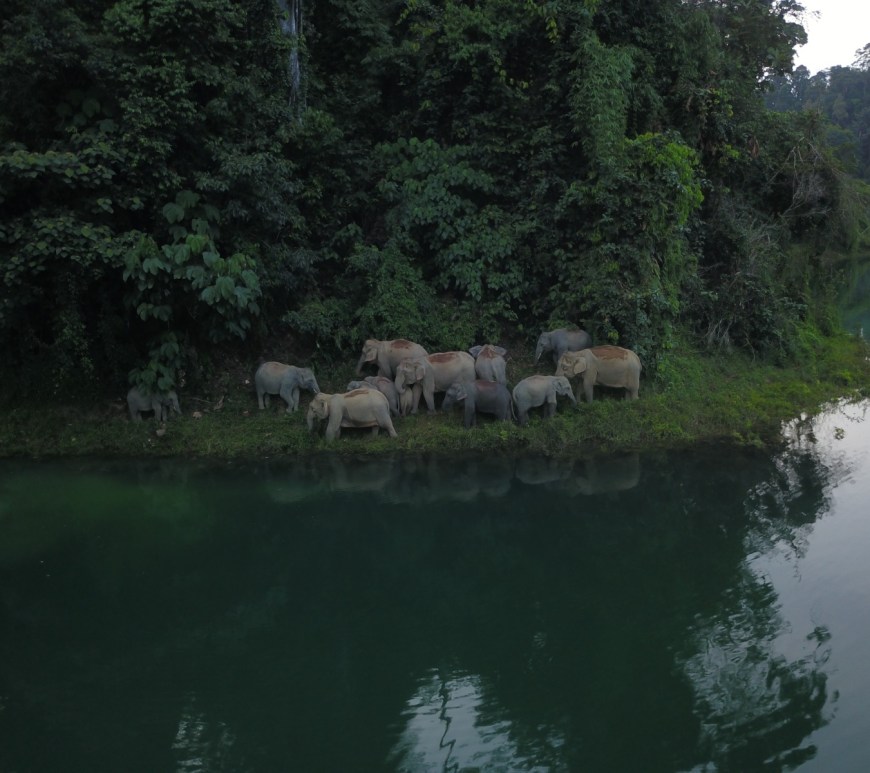
Less people leads to the return of large mammals

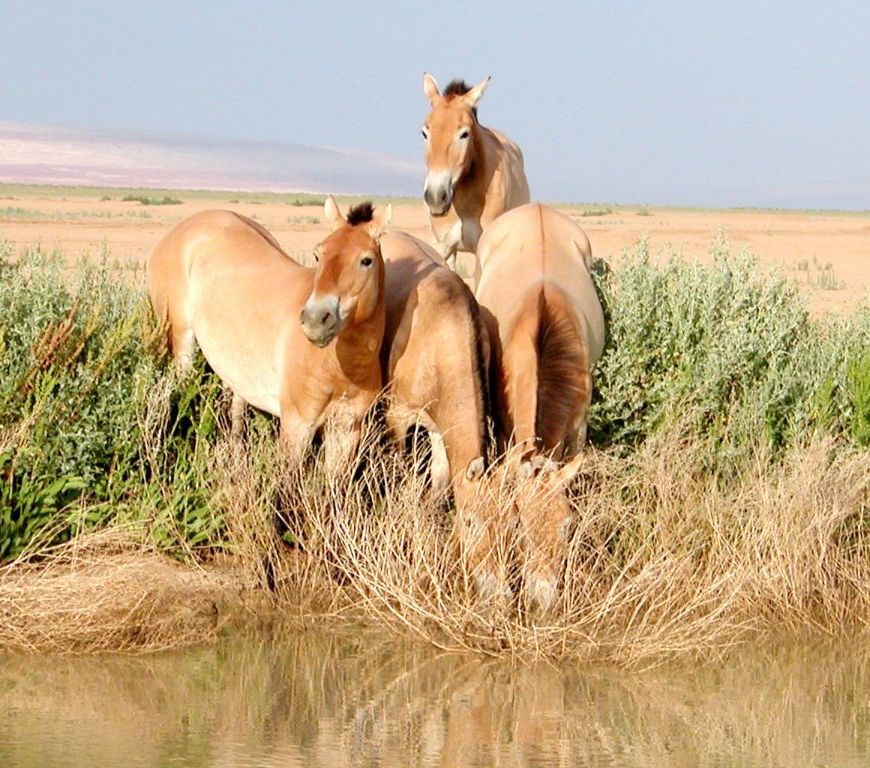
Some areas of the world – particularly rural areas – now have less people than they used to. In this Perspective, we: Although the human populations of many countries around the world are still growing, we are only 60-70 years away from a world with a shrinking total population. Understanding how biodiversity responds to a shrinking human population will be critical in the coming years. … Continue reading Less people leads to the return of large mammals

Noelia Valderrama Bhraunxs – Great minds map alike: Citizen science can stand next to expert data (and why that matters for schistosomiasis)

Shortlisted for the Georgina Mace Prize About the research Overview Neglected tropical diseases often follow an uncomfortable rule: the people most affected are the ones least covered by surveillance. And if you cannot measure risk, you end up reacting late, or not at all. Schistosomiasis is a clear example. It affects more than 250 million people worldwide and disproportionately impacts people living in poverty. Around … Continue reading Noelia Valderrama Bhraunxs – Great minds map alike: Citizen science can stand next to expert data (and why that matters for schistosomiasis)

Review of camera trap images by artificial intelligence produce accurate models for rapid decision-making

The use of remote game cameras to photograph elusive wildlife is one of the most commonly employed techniques in ecology and conservation, and is used to answer questions regarding population status of many threatened and endangered species. As the use of this technique expands in size and scope, and projects routinely generate millions of images, the time it takes to identify species in photos has … Continue reading Review of camera trap images by artificial intelligence produce accurate models for rapid decision-making

Xiaoling Wang: Using forest inventory and LiDAR observations to uncover plant traits cooling and humidifying effects

Shortlisted for the 2025 Southwood Prize About the research Overview Our paper investigates how to maximize the cooling effect of urban forests. We wanted to know whether a tree’s leaf traits (like nutrient content) are more important than its physical structure (like canopy size) for reducing air temperature and increasing humidity in cities. By combining traditional forest surveys with advanced LiDAR technology in Shanghai, we sought … Continue reading Xiaoling Wang: Using forest inventory and LiDAR observations to uncover plant traits cooling and humidifying effects

Farmlands near coastal wetlands experience less cyclone damage

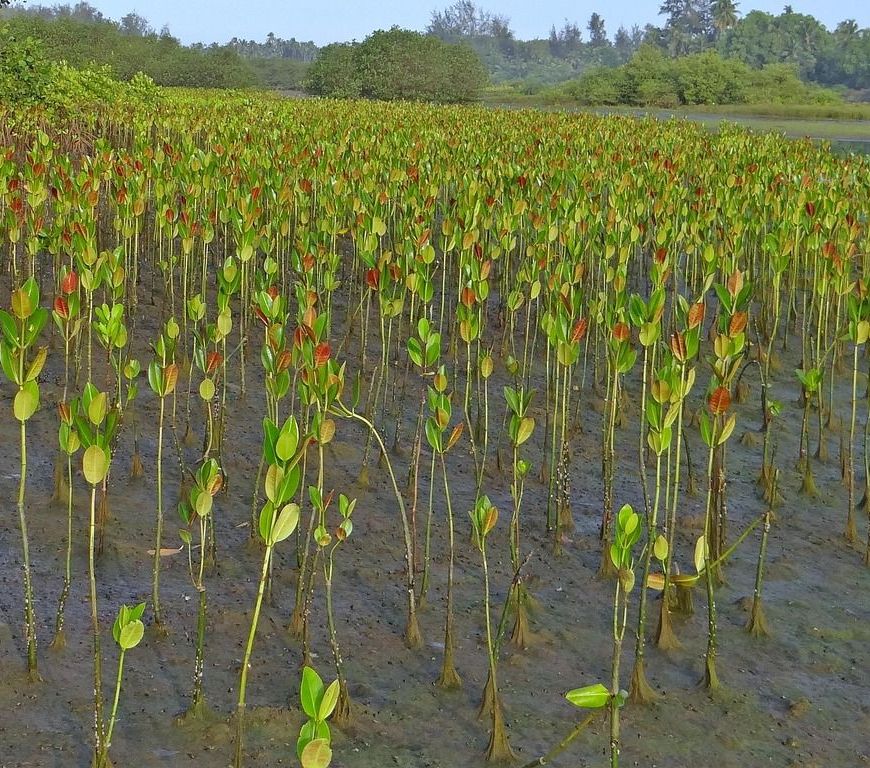
Coastal wetlands, including mangrove forests and saltmarshes, are known to reduce coastal erosion and flooding during storms. However, limited studies have investigated whether these ecosystems influence how tropical cyclones affect nearby farmlands. Farmlands are highly vulnerable to extreme weather events predicted with climate change, threatening food security and regional economies. Our study examined patterns of flooding and crop cover change on coastal sugarcane land in … Continue reading Farmlands near coastal wetlands experience less cyclone damage

Using seabird migration routes as a tool for ocean conservation

Protecting migratory species requires countries to work together across the full routes these animals travel each year. For land and waterbirds, the idea of “global flyways”, the broad paths birds follow between breeding and non‑breeding areas, has been an effective way to organise international conservation. Flyways help unite governments, researchers, and conservation groups, guide research and funding, and coordinate long‑term action. Recently, scientists have identified … Continue reading Using seabird migration routes as a tool for ocean conservation

Not all disturbances are alike: Exploring patterns and shifts in European forest regimes

Forests are naturally shaped by events such as fires, windstorms, or insect outbreaks, known altogether as forest disturbances. The long-term characteristics of these events is defined as disturbance regime; and their trends depend on multiple factors, including site conditions (e.g., climate and soil), disturbance and management legacies, and the specific causal agents present in the region. In this study, we characterised the main disturbance regimes … Continue reading Not all disturbances are alike: Exploring patterns and shifts in European forest regimes

Planting Trees to Avoid Losing Soil Carbon: Insights from Snaizeholme Valley, Yorkshire Dales

Darvill et al. share their experience investigating soil organic carbon stocks in a new native woodland in the Yorkshire Dales, UK, highlighting the importance of careful woodland design. Targeting the Right Soils: How Woodland Design Shapes Soil Carbon Outcomes Tree planting is widely promoted as a nature-based response to climate change. New woodlands can reduce flood risk, improve air quality, support biodiversity, and capture carbon … Continue reading Planting Trees to Avoid Losing Soil Carbon: Insights from Snaizeholme Valley, Yorkshire Dales

Studying habitat requirements at the edge of a species’ range: lessons from a critically endangered warbler in the Italian Alps

Ceresa et al. share their experience investigating the conservation of peripheral populations, focusing on the critically endangered barred warbler Curruca nisoria in the Italian Alps. Peripheral populations — those living at the edges of a species’ distribution — are often small and isolated. Yet they can be disproportionately important for conservation, harbouring unique genetic diversity and local adaptations that may help species cope with environmental change. … Continue reading Studying habitat requirements at the edge of a species’ range: lessons from a critically endangered warbler in the Italian Alps