Accelerating secondary succession: using shade-tolerant trees for cloud forest restoration

This blog post is also available in Spanish here. Tarin Toledo-Aceves and colleagues describe their latest research and the importance of shade tolerant trees in forest restoration projects. Reforestation and restoration initiatives commonly use fast-growing pioneer tree species. However, a high number of shade-tolerant species are threatened by deforestation and overharvesting, and unlike pioneer species, they have no seed banks on the ground and are … Continue reading Accelerating secondary succession: using shade-tolerant trees for cloud forest restoration

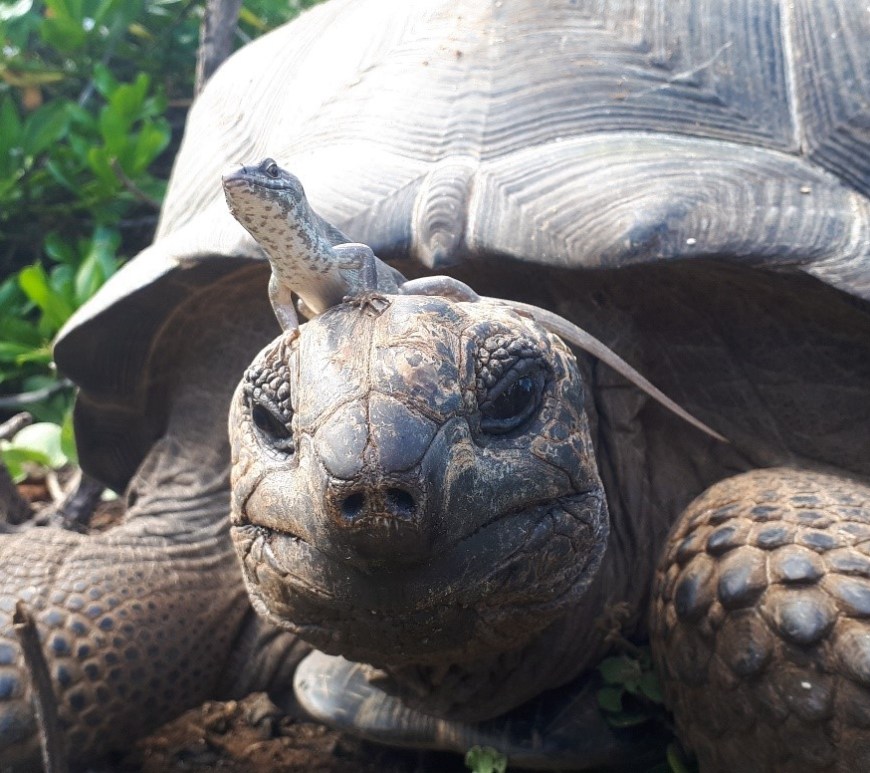
Tortoises are unlikely to be detrimental for endemic skinks. A Telfair’s skink is basking on the head of an introduced Aldabra giant tortoise. Photo Nik Cole.

Seven years of rewilding with giant tortoises

Rosemary Moorhouse-Gann speaks on their latest research which investigates how rewilding Giant Tortoise can affect an Island ecosystem. The dodo, perhaps the most famous animal originating from Mauritius, is tragically extinct. Less well known are the two extinct species of giant tortoise that were found only in Mauritius. You can see shadows of the lost tortoises in Mauritian plant communities today, in the form of … Continue reading Seven years of rewilding with giant tortoises

Social distancing between plants may amplify coastal restoration at early stage

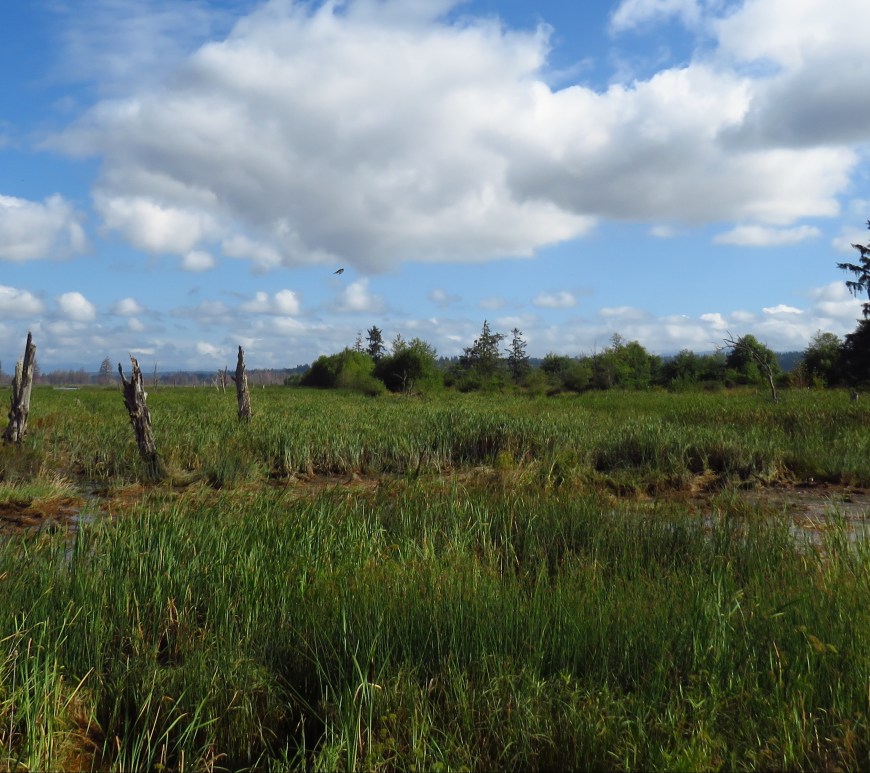
Climate change and anthropogenic activities are jeopardising coastal ecosystems world-wide. Once degraded, these valuable ecosystems are not easy to recover. In their latest research, Hao Huang and colleagues conducted transplanting experiments to search for the optimal spatial design of coastal restoration. Few ecosystems can equate to coastal wetlands in terms of connections with humans. They provide many ecosystem services that are vital to current societies, … Continue reading Social distancing between plants may amplify coastal restoration at early stage

A tool to guide the selection of tree species and seed sources for forest landscape restoration

In their latest research, Tobias Fremout and colleagues present a scalable and freely available online tool, Diversity for Restoration (D4R), to identify suitable tree species and seed sources for climate-resilient tropical forest landscape restoration. Governments, NGOs and companies around the world have made ambitious pledges to restore the Earth’s degraded ecosystems. These grand commitments, such as the Bonn Challenge and the One Trillion Tree Initiative, … Continue reading A tool to guide the selection of tree species and seed sources for forest landscape restoration

Reefs don’t just look better after restoration – they also sound healthier

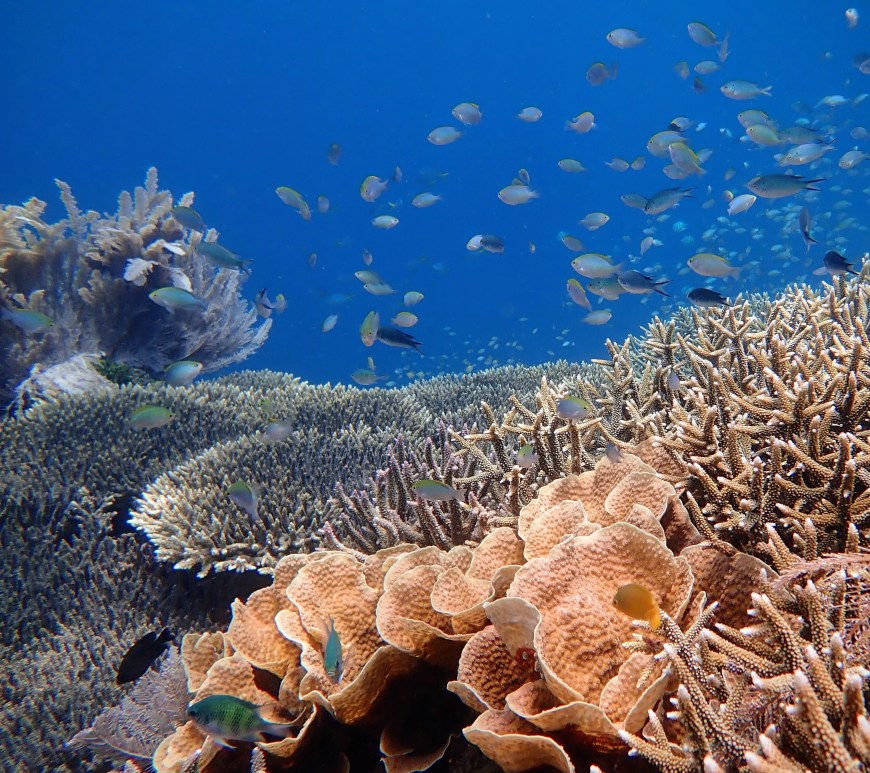
Conservationists are launching bold programmes to actively restore coral reefs around the world, but efforts are hampered by a lack of effective monitoring. In their latest research, Lamont and colleagues explore the use of passive acoustic monitoring for measuring the success of coral reef restoration. Co-author Ben Williams swims us through the study… Over 50% of the world’s tropical reef habitat has been lost since … Continue reading Reefs don’t just look better after restoration – they also sound healthier

Twenty years of tallgrass prairie restoration in northern Illinois, USA

Elizabeth Bach and Bill Kleiman share their latest findings from monitoring long-term ecosystem restoration on The Nature Conservancy’s Nachusa Grassland preserve. The challenges facing our planet can feel overwhelming and paralyzing. Climate is changing, biodiversity is declining, people are struggling to be in community with one another. However, there are signs of hope. The United Nations declared 2021-2030 as the Decade on Restoration, upholding ecosystem … Continue reading Twenty years of tallgrass prairie restoration in northern Illinois, USA

Knowing where your coffee comes from has the potential to aid restoration efforts 

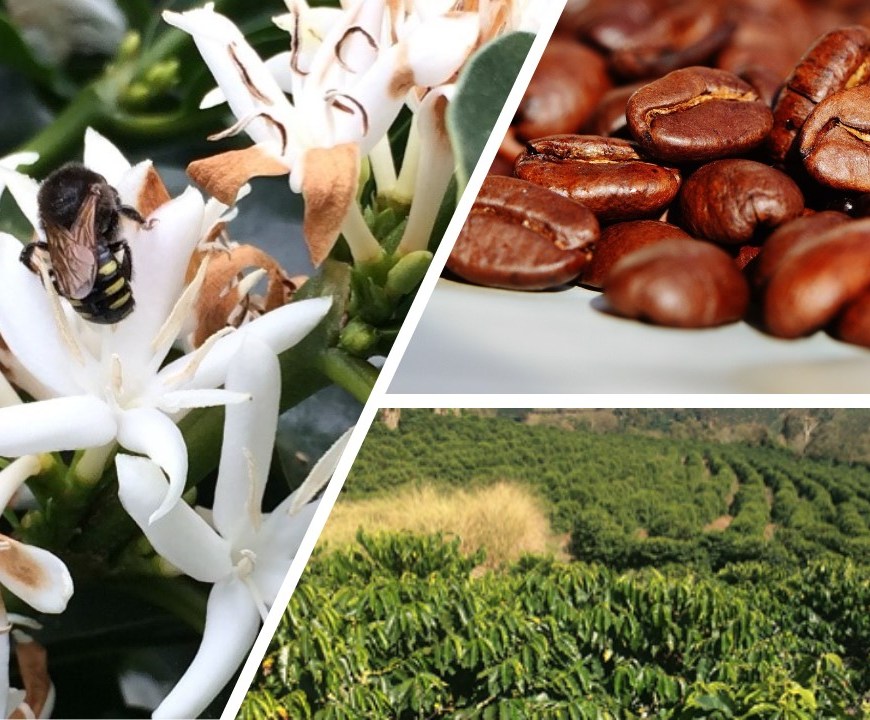
In a new study, González-Chaves and colleagues assessed pollination benefits at a national scale by identifying where pollination services are more likely to be provided by native bees as a result of forest conservation. Coffee is a highly traded crop, which is produced in the tropics and enjoyed across the globe. Like most crops, coffee benefits from pollination services. However, this is rarely considered by … Continue reading Knowing where your coffee comes from has the potential to aid restoration efforts 

Reintroducing Grazing in California’s Vernal Pools—Can we reverse the effects of past management?

In disturbance-adapted ecosystems, the removal of disturbance can lead to losses of diversity and sometimes irreversible changes in community composition. In their latest research, Michaels and colleagues identify the thresholds at which changes occur and explore the reversibility of these shifts in a vernal pool ecosystem in Northern California. If you head out in search of one of California’s famous vernal pools, you’ll have to … Continue reading Reintroducing Grazing in California’s Vernal Pools—Can we reverse the effects of past management?

Forest regeneration can help preserve the evolutionary history of tropical wildlife

In their latest research, Farneda and colleagues show how secondary forest regeneration affects the evolutionary dimension of bat diversity in the Biological Dynamics of Forest Fragments Project (BDFFP) landscape, Central Amazon, Brazil. Land-use change across the tropics is pervasive, leading to widespread habitat loss and fragmentation. It is also a key driver of biodiversity loss. However, the agricultural abandonment in many tropical regions has led … Continue reading Forest regeneration can help preserve the evolutionary history of tropical wildlife

Rewilding old fields: why additional effort is needed to restore wildflowers

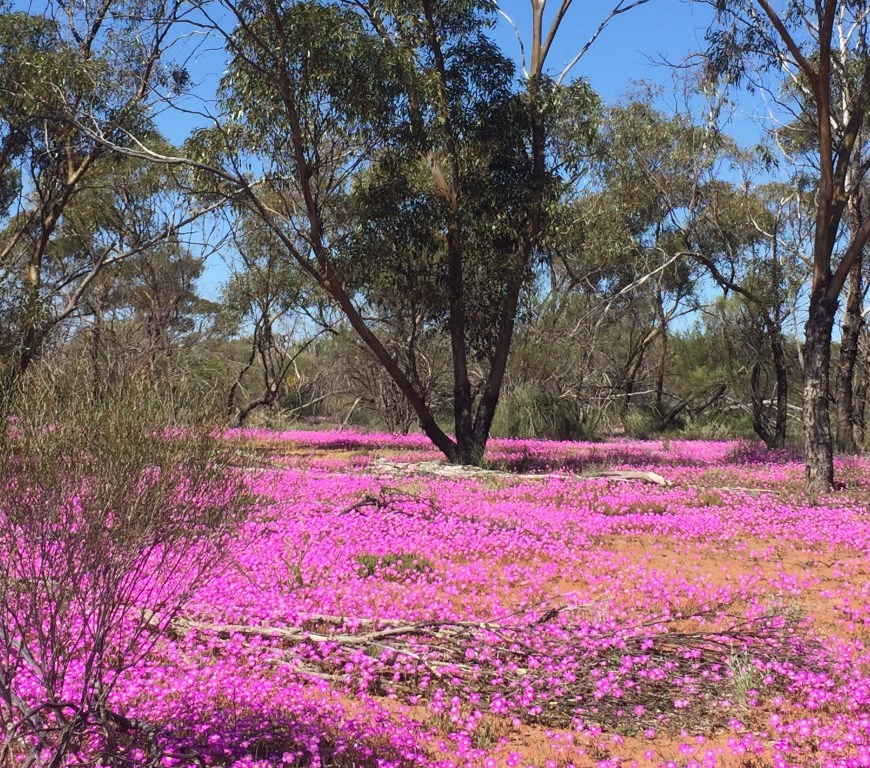
Why has restoring old fields been a challenge for practitioners for decades? In their latest research, Tina Parkhurst, Suzanne Prober and Rachel Standish explore the efficacy of intervention efforts to understand limitations in current practices. Globally, there is a trend towards widespread abandonment of marginal agricultural land. Land abandonment is often associated with land degradation following long-term unsustainable agricultural practices, resulting in low productivity. Whilst … Continue reading Rewilding old fields: why additional effort is needed to restore wildflowers