New Associate Editors 2023: Journal of Applied Ecology

Following our recent open call for applicants, we’re thrilled to welcome 23 new Associate Editors to the Journal of Applied Ecology Editorial Board! You can find out about each new Associate Editor’s research interests below. Mark Otieno University of Würzburg, Germany Mark’s research focuses on the sustainable delivery of pollination and other arthropod-mediated ecosystem services, pollinator biology with a focus on ecology, community structure and functioning, landscape … Continue reading New Associate Editors 2023: Journal of Applied Ecology

Welcoming our 2023 Associate Editor Mentees!

Journal of Applied Ecology offers a two-year mentoring opportunity for early career researchers to gain experience of the Associate Editor role. Each mentee works with one of our five Senior Editors, who act as a mentor, as well as receives on-going support from the Editorial Office. Mentees have a great opportunity to learn more about the peer review process and publishing more widely through handling submissions … Continue reading Welcoming our 2023 Associate Editor Mentees!

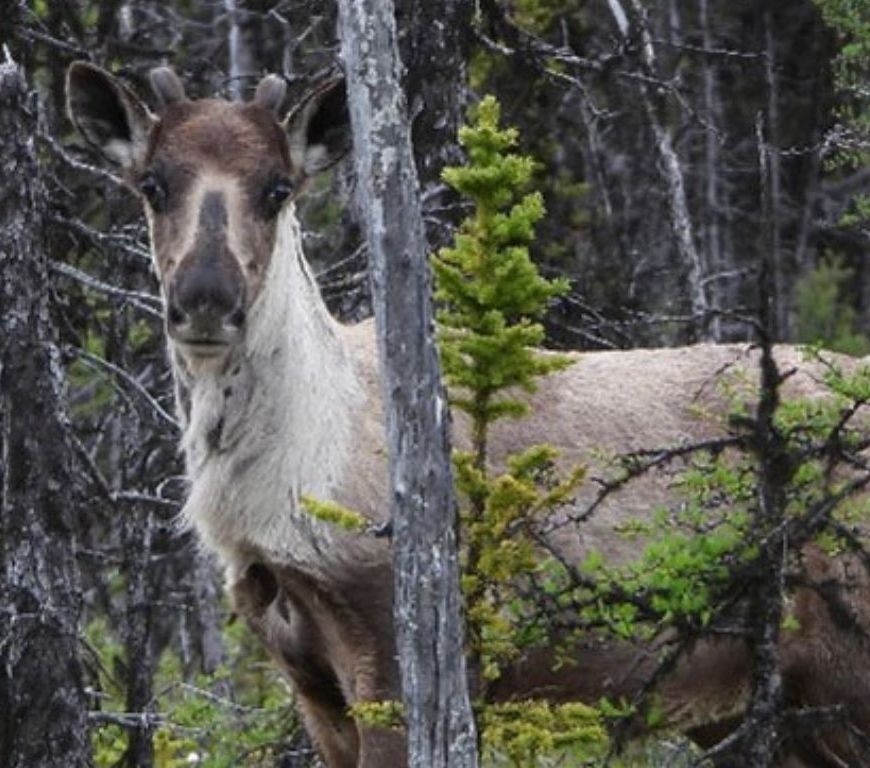
Forestry raises the predation risk to caribou – we found ways to reduce it

Tracy McKay and Laura Finnegan share their latest research investigating what affects ungulate occurrence  in forest harvest blocks in west-central Alberta, Canada. Five years ago, our research group developed an idea with forest companies to help conserve woodland caribou – Rangifer tarandus, the same species as the Eurasian reindeer – in western Canada. Summer after summer, our crews drove the mud and gravel roads spiderwebbing … Continue reading Forestry raises the predation risk to caribou – we found ways to reduce it

Towards environmentally friendly finfish farming: A potential for mussel farms to compensate fish farm effluents

Jonne Kotta explains new research which uses dynamic energy budget modelling to explore the potential of mussels for bioremediation at finfish farms. Kotta and colleagues suggest that environmentally sustainable finfish farming solutions may be possible in the eutrophic Baltic Sea region. The problem Global demand for fish has risen sharply in recent decades and will surely continue to rise during the next decade. However, this … Continue reading Towards environmentally friendly finfish farming: A potential for mussel farms to compensate fish farm effluents

Where and how do we manage for carbon in forestry in a changing world?

Lilli Kaarakka shares findings from her team’s review article assessing the evidence for the potential of specific improved forest management (IFM) practices to sequester carbon and enhance carbon storage in forests. Humans and forests share an infinite, intertwined history; forests have provided us with food, fuel and material for building homes, as well as a place of refuge and spirituality. In the most recent part … Continue reading Where and how do we manage for carbon in forestry in a changing world?

Does logging help or harm Borneo’s bats?

Natalie Yoh and Dave Seaman discuss their recently published research article that uses remote sensing to investigate the effects of logging on aerial insectivorous bats in Southeast Asia. Findings indicate that logged forests can provide an important refuge and several species that respond predictably to logging could be targeted for biodiversity monitoring using acoustic and capture-based methods. “Bats make up around 40% of Borneo’s mammal … Continue reading Does logging help or harm Borneo’s bats?

Seed additions facilitate herb-layer restoration in a temperate oak woodland

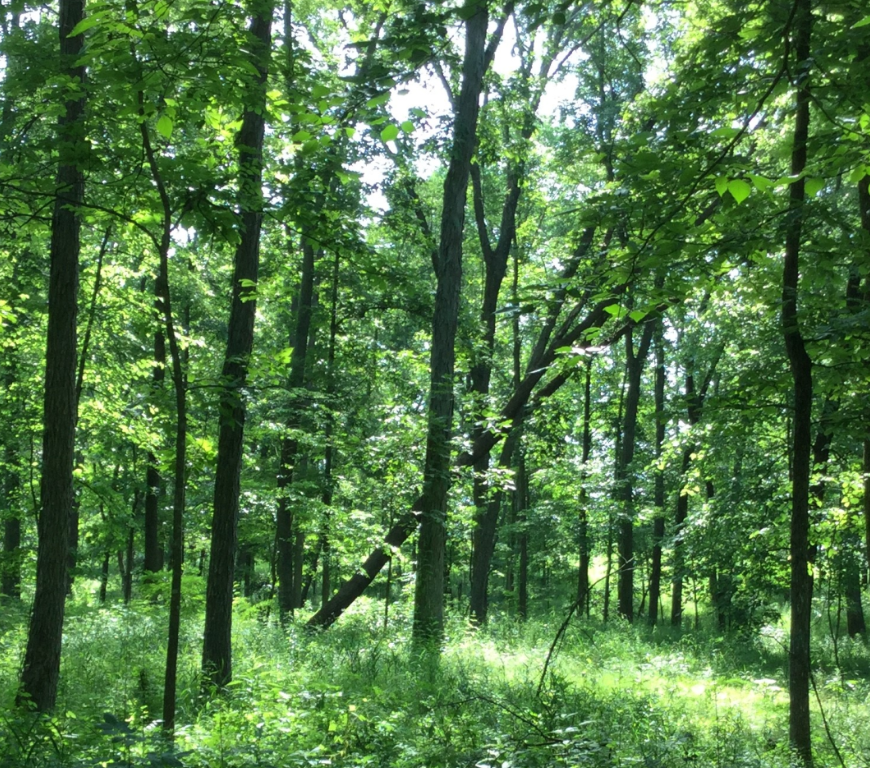
Originally posted and adapted from Natural History of Ecological Restoration blog. Andrew Kaul and colleagues present their latest research exploring whether seed additions can improve restoration outcomes in oak woodlands. Throughout most of the eastern United States, oak woodlands were once a widespread and dominant ecosystem. These woodlands experienced periodic fires, which prevented woody trees and shrubs from growing so densely that the overstory canopy … Continue reading Seed additions facilitate herb-layer restoration in a temperate oak woodland

Can ecological restoration enhance the genetic diversity of plant species on a global scale?

Xinzeng Wei talks us through their recent meta-analysis, conducted with several colleagues, which found that ecological restoration does not significantly improve the genetic diversity of plant species as compared to reference or degraded populations. Wei et al instead suggest that using passive restoration, seeding, and mixed sources could significantly increase the genetic diversity of restored populations. The problem Human disturbance has led to several negative consequences … Continue reading Can ecological restoration enhance the genetic diversity of plant species on a global scale?

Grub Hub for Fat Bats

Winifred Frick and colleagues share their latest research that tested a novel conservation approach targeted at improving foraging conditions near bat hibernacula with the overall aim of improving habitat conditions that can aid population resilience and recovery. Can we make them fatter? This was the million-dollar question that started the Fat Bat program at Bat Conservation International (BCI). It took a couple years of trial, … Continue reading Grub Hub for Fat Bats

Southwood Prize 2022: Winner announced for early career researcher award

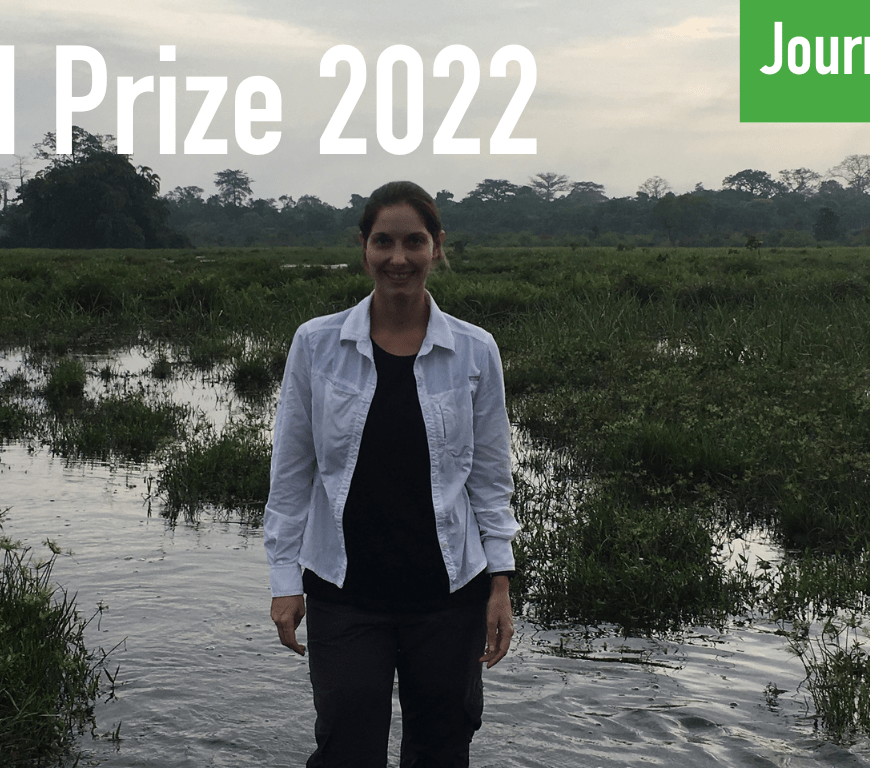
Journal of Applied Ecology is pleased to announce Paula Prist as the winner of the 2022 Southwood Prize! The award is given to the best article in the journal by an author at the start of their career and was picked from a shortlist of 12 articles.  Winner: Paula Prist Research: Roads and forest edges facilitate yellow fever virus dispersion About the research Much has … Continue reading Southwood Prize 2022: Winner announced for early career researcher award