Editor’s Choice 59:7 The key to seabird conservation – mitigating bycatch from industrial fisheries and eradicating invasive species

Associate Editor, Maria Paniw, introduces this month’s Editor’s Choice article by Dasnon et al., which presents some good news for seabird conservation: combined efforts of avoiding bycatch from commercial fisheries and reducing impacts of invasive species can effectively boost population sizes of vulnerable marine pelagic species. Industrial fishing activities can cause substantial damage, not only to fish stocks but also to pelagic vertebrate predators that … Continue reading Editor’s Choice 59:7 The key to seabird conservation – mitigating bycatch from industrial fisheries and eradicating invasive species

Unravelling the natural pollinating agents of cacao

Pollination services of cacao are crucial for global chocolate production, yet remain critically understudied. Author Justine Vansynghel describes her team’s latest research that seeks to develop a greater understanding of how agroforests of this crop tree can be better managed. Cacao is a crop tree native to the amazon basin with a longstanding cultivation history throughout the tropical realm. The crop tree is understandably of … Continue reading Unravelling the natural pollinating agents of cacao

Old data, new tools: Using random forest modelling to reveal multi-species habitat associations from spoor data

In their new study, Searle, Kaszta, and co-authors from Botswana, Zimbabwe, Germany, the UK, and the US discuss how machine learning can be used to disentangle multi-species habitat relationships and inform conservation planning over large areas. The importance of policy and governance in preserving wildlife areas has historically meant that conservation has been restricted to efforts within country borders. This approach is at odds with … Continue reading Old data, new tools: Using random forest modelling to reveal multi-species habitat associations from spoor data

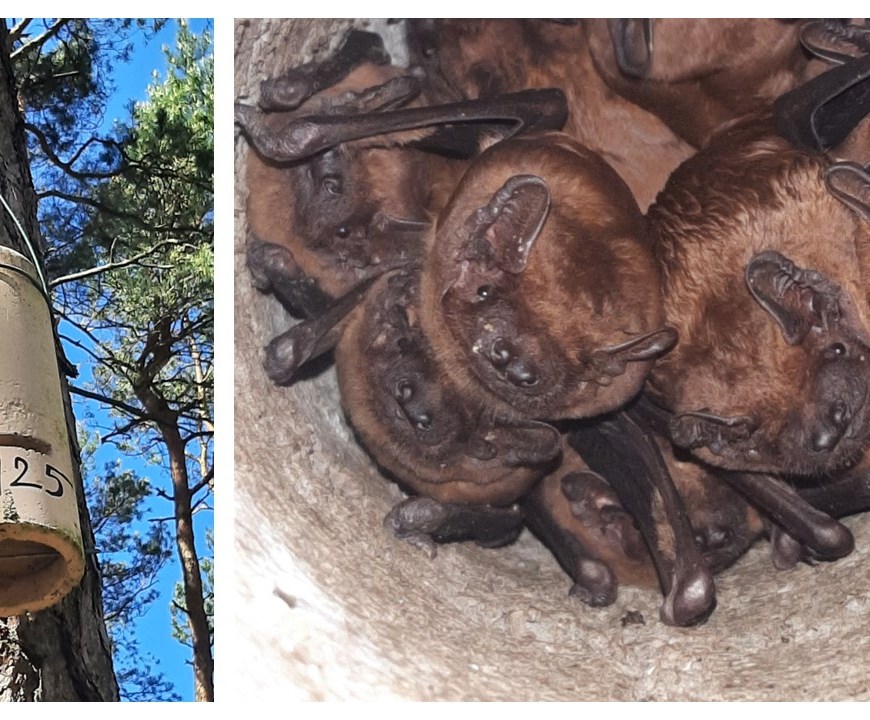
Home is where the heat is: Thermoregulation of European bats inhabiting artificial roosts and the threat of heat waves

In their new study, Czenze and colleagues demonstrate the importance of placing bat boxes in diverse locations to provide varied roost microclimates. There are over 1400 species of bats on the planet that live in a wide variety of roosts, including caves, buildings, and trees. Many bat species are threatened by climate change and habitat destruction, and this is particularly true for forest bats. Due … Continue reading Home is where the heat is: Thermoregulation of European bats inhabiting artificial roosts and the threat of heat waves

Rainbow Research: Life

The Rainbow Research series returns to the British Ecological Society to celebrate Pride month 2022! These special posts promote visibility and share stories from STEM researchers who belong to the LGBTQIA2S+ community. Each post is connected to one of the themes represented by the colours in the Progress Pride flag (Daniel Quasar 2018). In this post, Daniel Trotter shares his story on the theme of ‘Life’. It took … Continue reading Rainbow Research: Life

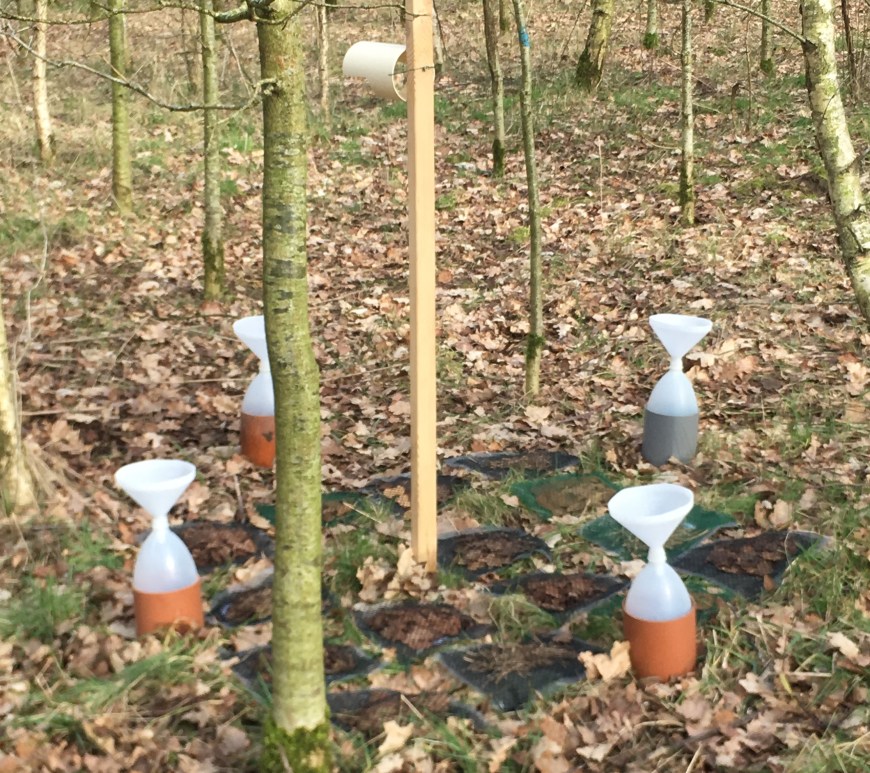
Habitat availability alters the relative risk of a bovine tuberculosis breakdown in the aftermath of a commercial forest clearfell disturbance

In their new study, Murphy et al. discuss the relationship between human modification of landscapes and zoonotic disease emergence and spread, through their case study of bovine tuberculosis in Ireland. The interconnectedness of ecosystems is one of the most endearing facets of landscape ecology. Yet, it presents the biggest challenge for applied ecologists seeking to understand the cause and effect of ecosystem modification. Changes to … Continue reading Habitat availability alters the relative risk of a bovine tuberculosis breakdown in the aftermath of a commercial forest clearfell disturbance

Rainbow Research: A Colour Prism

The Rainbow Research series returns to the British Ecological Society to celebrate Pride Month 2022! These special posts promote visibility and share stories from STEM researchers who belong to the LGBTQIA2S+ community. Each post is connected to one or more of the themes represented by the colours in the Progress Pride flag (Daniel Quasar 2018). In this post, Luiz Felipe Cordeiro Serigheli shares their story on a prism … Continue reading Rainbow Research: A Colour Prism

Apparently stable albatross population is actually decreasing due to mouse predation

Conservation organisations struggle to directly assist all threatened species, so deciding where to spend limited resources is a common problem. In a new paper, Oppel and colleagues show that, for long-lived species, a population may decrease long before this trend becomes evident in the part of the population that can be counted. Albatrosses are among the largest flying birds in the world, and they can … Continue reading Apparently stable albatross population is actually decreasing due to mouse predation

Karuk traditional ecological knowledge enhances elk habitat in Northern California

In their new article, Connor et al. discuss how prescribed forest burning that uses Karuk traditional ecological knowledge can have significant benefits for elk habitat. In a Northern California landscape increasingly plagued by severe wildfire, cultural burning, prescribed fire and forest management principles put into practice for generations by Karuk Tribal members are being brought back to restore fire adapted landscapes. Our research shows that … Continue reading Karuk traditional ecological knowledge enhances elk habitat in Northern California

Editor’s Choice 59:6: Tree species mixing amplify forest microclimate offsets in European forests

Associate Editor, Sharif Mukul, introduces this month’s Editor’s Choice article by Zhang and colleagues, which shows that microclimate offsetting depends on tree species identity and diversity, and that buffered forest microclimates can be achieved rapidly in young plantations, depending on the species being planted.  Tree canopies can significantly buffer temperature fluctuations and enhance water availability, which has the potential to mitigate the effects of macroclimate … Continue reading Editor’s Choice 59:6: Tree species mixing amplify forest microclimate offsets in European forests