Editor’s Choice 55:5 – Value of information: when to learn and when to manage in conservation

The Editor’s Choice for issue 55:5 is written by Associate Editor, Hedley Grantham. The selected article is When to monitor and when to act: Value of information theory for multiple management units and limited budgets by Bennett et al. Investment in data can improve our understanding of which management actions provide the greatest cost benefits, where and when. But many management decisions are not based … Continue reading Editor’s Choice 55:5 – Value of information: when to learn and when to manage in conservation

Better many small than a few large: how landscape configuration affects arthropod communities in rice agroecosystems

Can splitting agricultural ecosystems help reduce yield losses for rice farmers? Associate Editor, Juan Corley highlights the importance of Dominik et al.’s recent research, Landscape composition, configuration, and trophic interactions shape arthropod communities in rice agroecosystems. A Spanish version of this post is available here. For many of us city dwellers, rice is common in much modern cuisine, from Sushi to Spanish paella. However more … Continue reading Better many small than a few large: how landscape configuration affects arthropod communities in rice agroecosystems

Mejor muchos pequeños que pocos grandes: sobre como la configuración del paisaje afecta las comunidades de artrópodos en agro-ecosistemas de arroz

Associate Editor, Juan Corley on Dominik et al.’s research, Landscape composition, configuration, and trophic interactions shape arthropod communities in rice agroecosystems. English version available here. Para muchos de nosotros habitantes de ciudades, el arroz están muy presente en nuestra cocina habitual, desde el Sushi hasta la Paella. No obstante, quizás sea de mayor significación es el hecho de que el arroz sea el cereal más … Continue reading Mejor muchos pequeños que pocos grandes: sobre como la configuración del paisaje afecta las comunidades de artrópodos en agro-ecosistemas de arroz

Journal of Applied Ecology is moving online-only

As an important update in the journal’s development, we are pleased to announce that, from January 2019, Journal of Applied Ecology will be moving online-only. Why? Moving online-only means we can publish more regularly and we will be releasing 12 issues per year. It also makes the journal more efficient and environmentally friendly. We will be reducing paper use and no longer shipping hard copies … Continue reading Journal of Applied Ecology is moving online-only

Identifying lurking garden invaders promoted by climate change

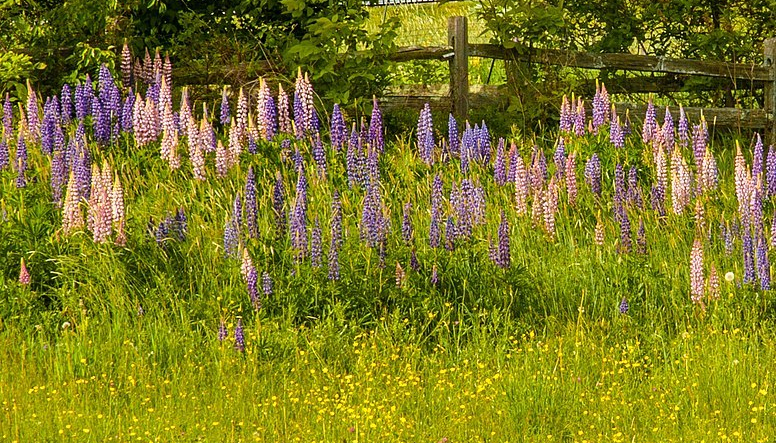
In our changing climates, some introduced ornamental plant species could establish themselves and become invasive. Emily Haeuser and colleagues present a new model for helping assess naturalization risk in their article, European ornamental garden flora as an invasion debt under climate change. Invasive species can cause significant ecological and economic damage worldwide. They can disrupt ecosystem services, and put threatened and endangered species at risk … Continue reading Identifying lurking garden invaders promoted by climate change

Long-term decline in prey increases predator competition

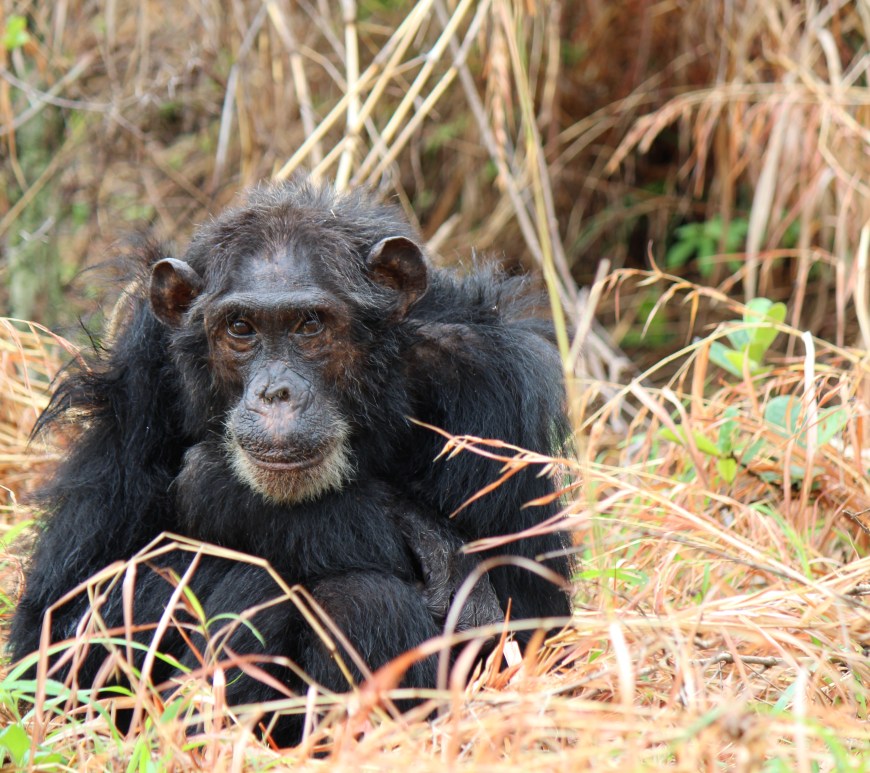
Bringing together data from a 50-year period to better-understand predator-prey interactions. Associate Editor, Matt Hayward discusses the recently published article, Changes in African large carnivore diets over the past half‐century reveal the loss of large prey by Creel et al. Much of our understanding of ecology comes from systems that are assumed to represent the way life has interacted for millennia. Yet this assumption is … Continue reading Long-term decline in prey increases predator competition

How are these elephants doing 35 years after being reintroduced as under-5s? The Hluhluwe-iMfolozi Park story

In 1981, after nearly 100 years of absence, the first elephants were reintroduced to the Hluhluwe-iMfolozi region of KwaZulu-Natal, South Africa. Remarkably, all 200 elephants reintroduced over the next 15 years were juveniles (around 2-5 years of age). The new paper by Tim Kuiper, and Dave and Heleen Druce, Demography and social dynamics of an African elephant population 35 years after reintroduction as juveniles, shows how this unusual … Continue reading How are these elephants doing 35 years after being reintroduced as under-5s? The Hluhluwe-iMfolozi Park story

Prevendo as próximas espécies invasoras

By Associate Editor, Rafael Zenni  An English version of this post is available here. Milhares de espécies de plantas foram movidas para além das suas áreas de ocorrência nativas para fins ornamentais. As escolhas de espécies para jardins, ruas e parques urbanos são baseadas em grande parte em razões estéticas, culturais e utilitárias e não por sua adequação ecológica ou climática para uma região específica. … Continue reading Prevendo as próximas espécies invasoras

Predicting future invaders in Europe

As our climate warms non-native plant species, introduced for their aesthetic appeal, have the potential to naturalize. Associate Editor, Rafael Zenni discusses research by Emily Haeuser and colleagues that aims to manage this risk. European ornamental garden flora as an invasion debt under climate change is published in Journal of Applied Ecology. A Portuguese version of this post is available here. Thousands of plant species have been … Continue reading Predicting future invaders in Europe