Lessons from an Australian grazing study

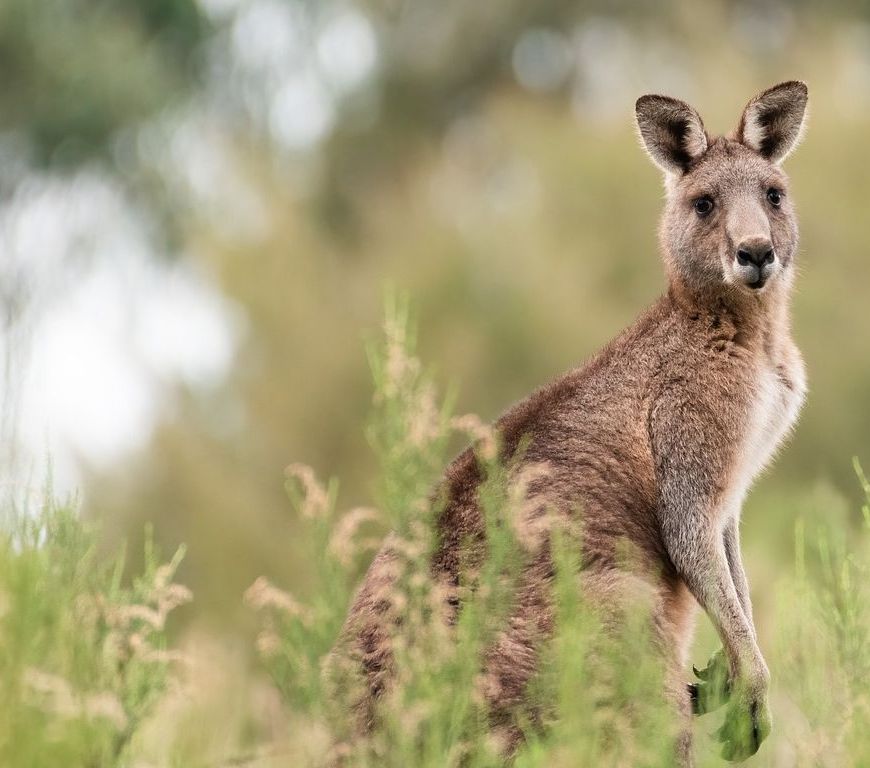
As part of Journal of Applied Ecology’s efforts to discuss how real-world impact can be achieved following research, we’re talking to authors about their studies. In this post, David Eldridge shares insights into conducting a large-scale collaborative study which explores the effects of livestock grazing on conservation in eastern Australia. In late 2015 I was asked to be involved in a study to identify the … Continue reading Lessons from an Australian grazing study

ECR Journeys: Rainforest invertebrates, woody vines and ecosystem functions

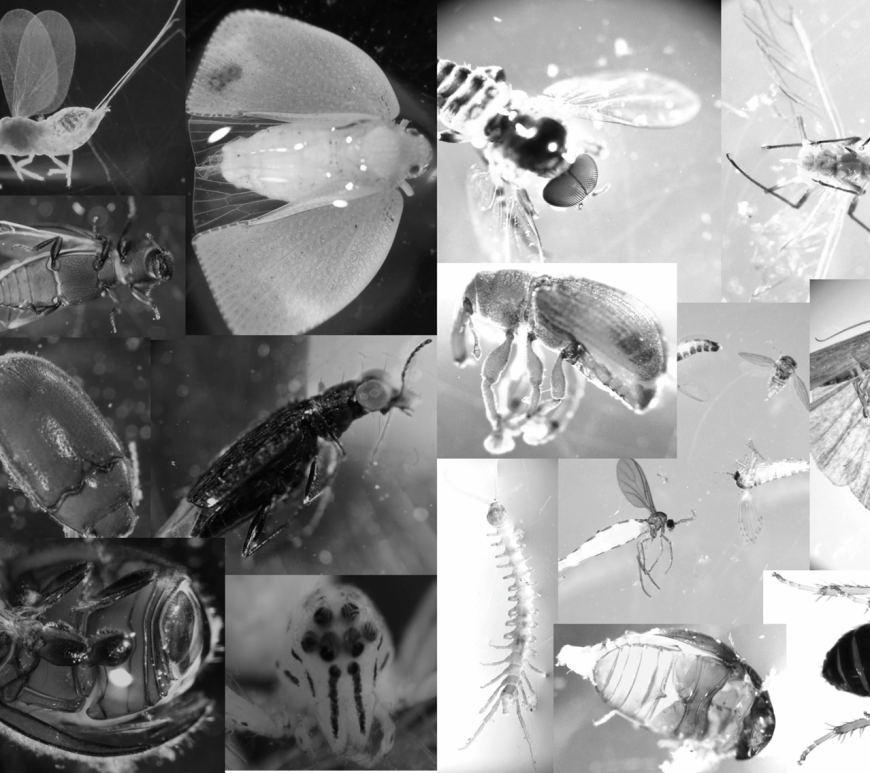
This month, The Applied Ecologist is amplifying the voice of early career ecologists from around the world working in the field of applied ecology to help inspire the next generation. In this post, Charlotte Raven, a second-year PhD student at the University of the Sunshine Coast, Australia, shares her story. My background I have had a passion for insects my entire life; I think it … Continue reading ECR Journeys: Rainforest invertebrates, woody vines and ecosystem functions

Streetlights disrupt both flying and crawling invertebrates—but not in the same ways

A new study by Lockett and colleagues explores how the proximity, intensity and colour of streetlighting impacts arthropods occupying different spatial niches, by simultaneously sampling flying and ground-dwelling invertebrates. It is well known that artificial light at night (ALAN) can attract and kill insects and other invertebrates, but do creepy-crawlies and flying invertebrates respond the same way? Does the colour and intensity of lighting matter? … Continue reading Streetlights disrupt both flying and crawling invertebrates—but not in the same ways

Targeting survey and monitoring efforts on roads could help us better understand population changes in introduced carnivores

Carnivores usually occur over large areas in low numbers, which sometimes makes them difficult to find. In their recently published article, Hayley Geyle and colleagues assessed the effectiveness of different camera trap survey designs for detecting feral cats and red foxes, and looked at how this influenced their ability to determine whether populations had changed in response to control through time. Introduced carnivores in Australia … Continue reading Targeting survey and monitoring efforts on roads could help us better understand population changes in introduced carnivores

Editor’s Choice 56:12 – Do introduced apex predators suppress introduced mesopredators? The debate continues

Our December Editor’s Choice by Fancourt et al. indicates that the presence of dingoes in Australia is unlikely to suppress introduced feral cats. Associate Editor, Michael Bode, looks at the evidence in this new research and explains why he feels the debate around this topic is far from over. In recent times, Australia has had one of the worst records of extinction in the world. … Continue reading Editor’s Choice 56:12 – Do introduced apex predators suppress introduced mesopredators? The debate continues

The amorphous, heterogeneous spatial spread of Wolbachia

Penelope A. Hancock presents recently published work on ‘Predicting the spatial dynamics of Wolbachia infections in Aedes aegypti arbovirus vector populations in heterogeneous landscapes‘. Uncertainty surrounding density-dependent mosquito population growth rates prevents us from predicting the outcome of mosquito control interventions. A timely example is the introduction of Wolbachia bacterial infections into wild Aedes aegypti populations, the major vector of the dengue, Zika and chikungunya … Continue reading The amorphous, heterogeneous spatial spread of Wolbachia

Measuring the ‘urbanness’ of a bird community

Harnessing the power of global citizen science data sets to improve local understanding, Corey T. Callaghan (Centre for Ecosystem Science, UNSW Sydney) introduces the Urban Greenspace Integrity Index as a means to track restoration efforts in urban areas. Restoring urban biodiversity has many benefits (for examples, see here, here, or here), but what should we actually be focusing on in our restoration efforts? If we … Continue reading Measuring the ‘urbanness’ of a bird community

Cover stories: Gouldian opportunity

This month’s cover species, The Gouldian Finch (Erythrura gouldiae) is a threatened Australian granivorous bird and one of 637 Kimberley wildlife species allocated cost‐effective management priorities using the Priority Threat Management process. Here the photographer, Bruce Doran shares more images from his surprise encounter with this hard-to-spot bird. The photograph of the Gouldian Finches was the result of an incidental observation in the Victoria River … Continue reading Cover stories: Gouldian opportunity

Research, management and local knowledge: an innovative approach to invasive species control

Executive Editor, Marc Cadotte shares his thoughts on Jennifer Firn and colleagues’ new article, Integrating local knowledge and research to refine the management of an invasive non-native grass in critically endangered grassy woodlands and why utilising local knowledge is vital if we’re to provide successful solutions to environmental issues.  While many hurdles hamper the successful application of ecological concepts and theories to developing solutions to environmental … Continue reading Research, management and local knowledge: an innovative approach to invasive species control

For the love of trees: the benefits of vegetation and paddock management for reptiles in grazing landscapes

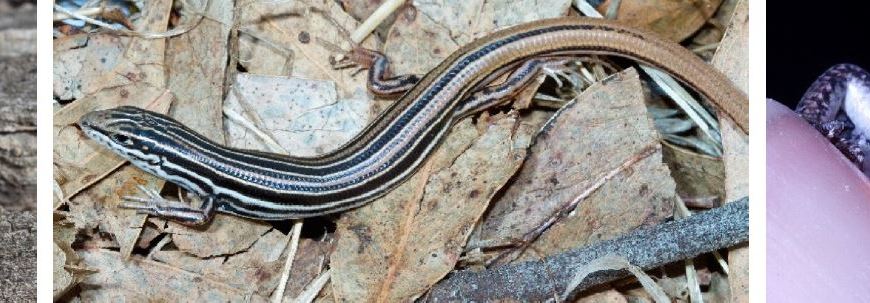
Following her recent paper in the Journal of Applied Ecology, ‘Remnant vegetation, plantings and fences are beneficial for reptiles in agricultural landscapes’, Stephanie Pulsford explores the balancing act of supporting both agriculture and biodiversity conservation. In a recent study of reptiles in grazing landscapes we demonstrated the importance of maintaining and promoting native vegetation within agricultural land for improved biodiversity conservation outcomes. We also showed that … Continue reading For the love of trees: the benefits of vegetation and paddock management for reptiles in grazing landscapes