Seals avoid an operating tidal turbine

Authors of a recently published study discuss how their research discovered that seals exhibit avoidance of turbines during operation. This finding is important for industry developers and regulators, as lower numbers of seals close to the turbine reduces the potential for fatal collisions and injuries. The rise of the tidal energy industry The marine renewable energy sector is growing rapidly. Offshore wind is well established, … Continue reading Seals avoid an operating tidal turbine

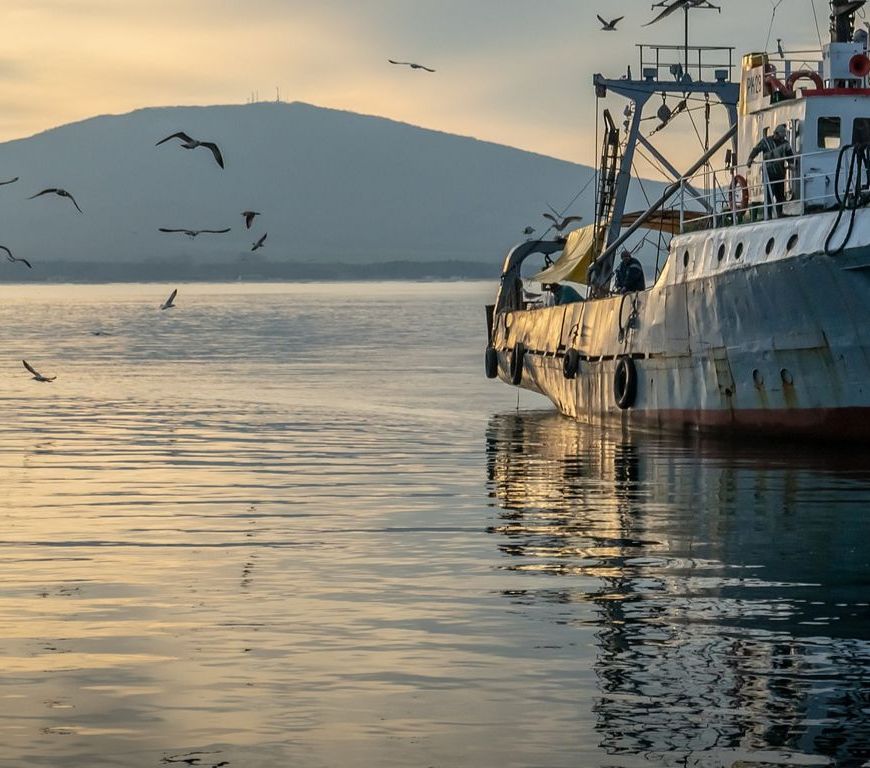
Collision avoidance: Navigating ships through recovering whale populations

In this blog post, Emily Hague and team discuss their latest research into the importance of careful consideration of collision-mapping approach and data selection when it comes to predicting high-risk vessel collision areas for whales. For conservationists and those that care about nature and our planet, the news can feel incredibly bleak, with daily (deservedly) scary stories of extreme climate change related temperatures, species fighting … Continue reading Collision avoidance: Navigating ships through recovering whale populations

Spearfishing-fish behavioural interactions as predator-prey systems to envision better management

Author Valerio Sbragaglia and his colleagues guide us through a recent study which advances the understanding of spearfisher-fish behavioural interaction by integrating ecological indicators (i.e., flight and post flight behaviour of fish) with spearfishers’ likelihood to catch a fish. Through modelling and simulating scenarios, their study sheds light on management implications in exploited fish populations. Exploring spearfishing and fish behaviour If you ask spearfishers, they … Continue reading Spearfishing-fish behavioural interactions as predator-prey systems to envision better management

The landscape of fear in cattle farms? How the presence of barn swallow influences the activity of pest flies

Authors of a research article recently published in Journal of Applied Ecology talk us through how barn swallows are effective biological control agents for lowering pest fly activity in livestock farms. Preamble: Farmland birds, filth flies and the landscape of fear Birds are key suppliers of crucial ecosystem services worldwide, and insectivorous species can consume up to 400 – 500 million tons of prey each … Continue reading The landscape of fear in cattle farms? How the presence of barn swallow influences the activity of pest flies

Editor’s Choice 57:02 – Understanding anglers as spatially mobile human predators in freshwater landscapes

Using the example of a spatial recreational fishery for lake trout in northern Canada, Wilson et al. present an exciting analysis of how human behaviour and local ecological dynamics interact to shape landscape-level outcomes. Associate Editor, Robert Arlinghaus highlights why this article has been selected as an Editor’s Choice. The field of applied ecology is increasingly moving towards studies that integrate human behaviour and ecological … Continue reading Editor’s Choice 57:02 – Understanding anglers as spatially mobile human predators in freshwater landscapes

Showcasing developments in biologging and related methods in applied ecology

Following the recent Journal of Animal Ecology Special Feature on biologging, Associate Editor, Steph Januchowski-Hartley takes a look at how research in this and similar methods are affecting the field of applied ecology today. Advances in technology have allowed for small electronic loggers and transmitters to be developed not only for biomedical monitoring for humans (think of the tech we can use for monitoring hearts, … Continue reading Showcasing developments in biologging and related methods in applied ecology

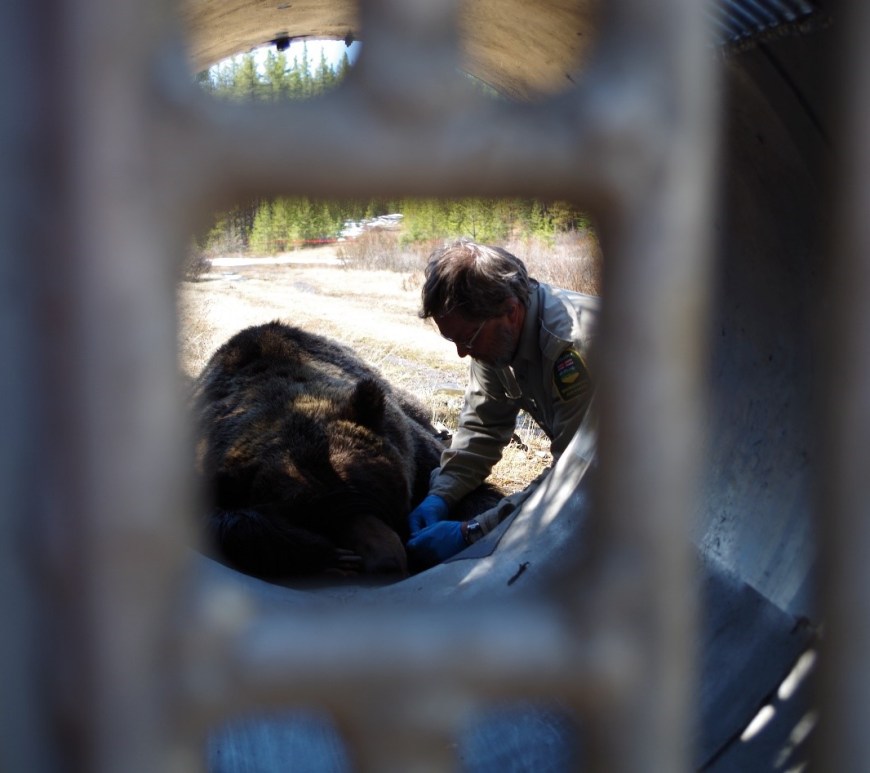
The bear necessities of grizzly bear population recovery in Alberta, Canada

In our latest Practitioner’s Perspective, Towards grizzly bear population recovery in a modern landscape, Sean Coogan explains how new, multi-disciplinary approaches are being used to protect Canada’s threatened grizzly bears. The management and conservation of large carnivores can be socially controversial and politically charged. To make matters more complicated, the data required to make effective scientifically-informed management decisions may be lacking, or extremely difficult to … Continue reading The bear necessities of grizzly bear population recovery in Alberta, Canada