Land use change and the interplay between functional and phylogenetic diversity in tropical forest birds

Philip Chapman comments on recent article, Contrasting impacts of land-use change on phylogenetic and functional diversity of tropical forest birds. It is increasingly recognised that biodiversity conservation needs to look beyond the goal of preserving species richness, to maintaining healthy functioning ecosystems and their evolutionary resilience in the face of environmental change. Species vary in evolutionary distinctness and the uniqueness of traits contributing to key ecological … Continue reading Land use change and the interplay between functional and phylogenetic diversity in tropical forest birds

Increasing the conservation value of commercial stands – with Spanish translation

Can plantation forests offer conservation value to some species? Guadalupe Peralta comments on recent article Plant, herbivore and parasitoid community composition in native Nothofagaceae forests vs. exotic pine plantations.  The authors have also provided a Spanish translation of this post. ‘Conservation value of exotic plantation forests’ is a controversial idea. The term conservation value of plantation forests does not refer to the need to preserve plantation forests … Continue reading Increasing the conservation value of commercial stands – with Spanish translation

Landscape structure and human management influence biodiversity value of livestock production systems

In this post Associate Editor, Elizabeth Nichols  and student, Jordan Reyes comment on the recent paper by Alvarado et al.,The role of livestock intensification and landscape structure in maintaining tropical biodiversity, published in Journal of Applied Ecology. The United Nations predicts that by the year 2050 the world population will have increased by 34%, reaching nearly 9.7 billion people. How can we support this growing human … Continue reading Landscape structure and human management influence biodiversity value of livestock production systems

Tree islands for tropical forest restoration: the outlook is rosy after 10 years

Source: Tree islands for tropical forest restoration: the outlook is rosy after 10 years Shared from Natural history of Ecological Restoration, Leighton Reid comments on his article, Local tropical forest restoration strategies affect tree recruitment more strongly than does landscape forest cover. The article was recently published as part of the Toward prediction in the restoration of biodiversity Special Feature in Journal of Applied Ecology. Planting tree … Continue reading Tree islands for tropical forest restoration: the outlook is rosy after 10 years

Variation in soil microbial communities leads to variation in plant communities

In the latest in our series of blogs for the Toward prediction in the restoration of biodiveristy Special Feature, Jonathan Bauer discusses his article, Effects of between-site variation in soil microbial communities and plant-soil feedbacks on the productivity and composition of plant communities. All articles from the Special Feature are available in issue 54.4 of Journal of Applied Ecology. Microorganisms in the soil have strong effects on plant … Continue reading Variation in soil microbial communities leads to variation in plant communities

Resilience: advancing a deceptively simple concept

The latest in our series of blogs to accompany the Special Feature, Toward prediction in the restoration of biodiveristy, is written by Loralee Larios. Loralee’s article, Where and how to restore in a changing world: a demographic-based assessment of resilience, is published in the Journal of Applied Ecology. The unprecedented rates at which natural systems have been altered have prompted a parallel increase in restoration efforts to … Continue reading Resilience: advancing a deceptively simple concept

A common currency for connecting the goals of restoration: plant traits can help us understand how plant communities form and help ecosystems function

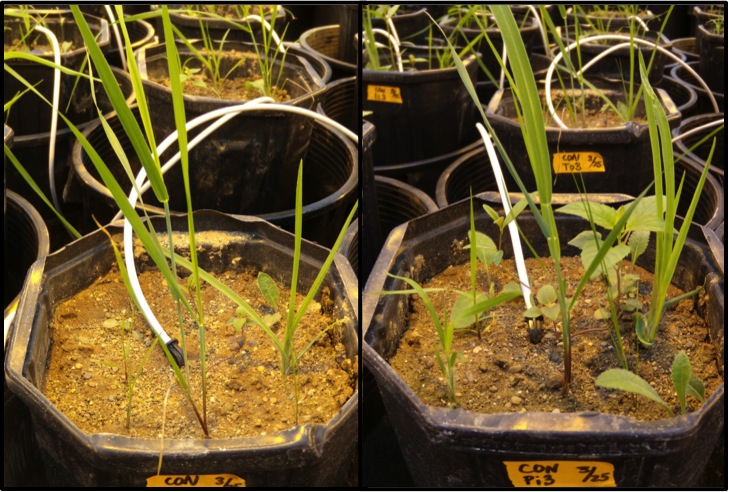
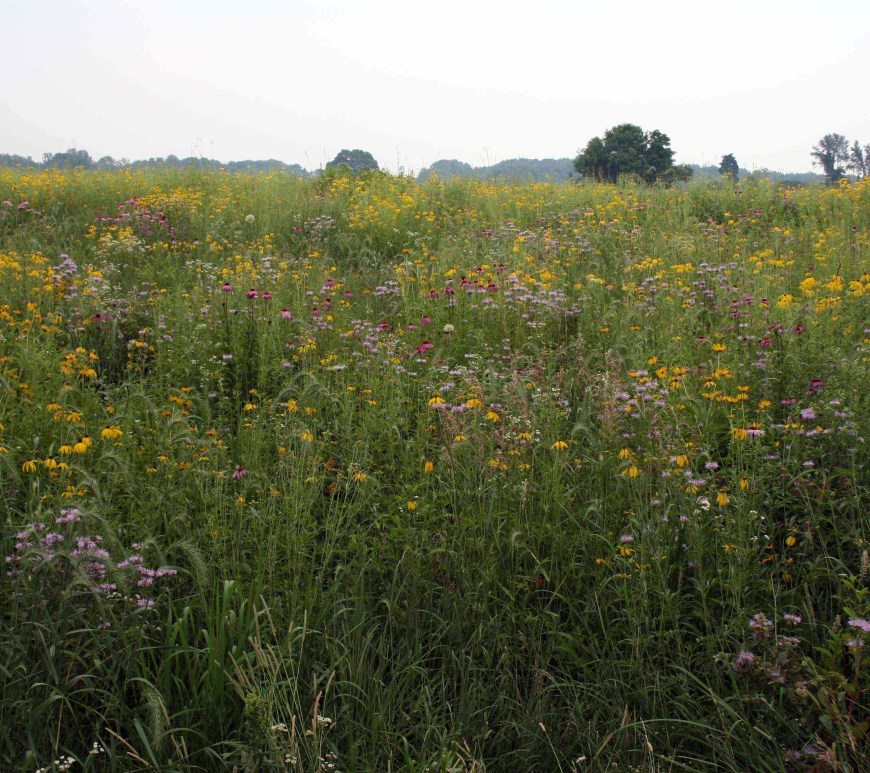
For the latest post in our Toward prediction in the restoration of biodiversity series, Chad Zirbel turns to tallgrass prairies to examine the role of plant traits in predicting restoration outcomes. Chad and colleagues’ paper, Plant functional traits and environmental conditions shape community assembly and ecosystem functioning during restoration, is available in the Journal of Applied Ecology. Two of the major goals of restoration are … Continue reading A common currency for connecting the goals of restoration: plant traits can help us understand how plant communities form and help ecosystems function

Toward prediction in the restoration of biodiversity

Issue 54:4 of the Journal of Applied Ecology features a Special Feature, Toward prediction in the restoration of biodiversity. In the first of a series of blogs accompanying the feature, Guest Editor, Lars Brudvig introduces the work and the ecological ideas behind this collection of articles. By repairing ecosystems damaged through human activities, ecological restoration plays an important role in biodiversity conservation efforts. Furthermore, restoration … Continue reading Toward prediction in the restoration of biodiversity

Editor’s choice 54:4 – The identification of critical catchments for freshwater conservation

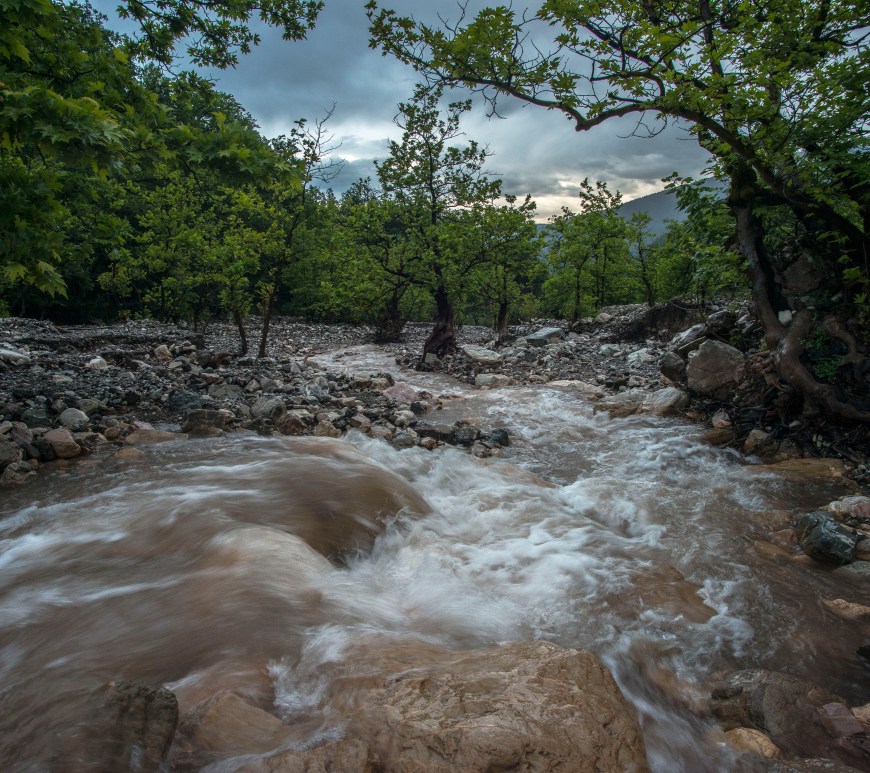
Issue 54:4’s Editor’s Choice post is written by Shelley Arnott. The article chosen is Critical catchments for freshwater biodiversity conservation in Europe: identification, prioritisation and gap-analysis by Savrina F. Carrizo and colleagues. Aquatic ecosystems around the world are threatened with environmental changes resulting in critical loss of biodiversity; 81% of freshwater populations monitored for the Living Planet Index have declined in abundance between 1970 and … Continue reading Editor’s choice 54:4 – The identification of critical catchments for freshwater conservation

For the love of trees: the benefits of vegetation and paddock management for reptiles in grazing landscapes

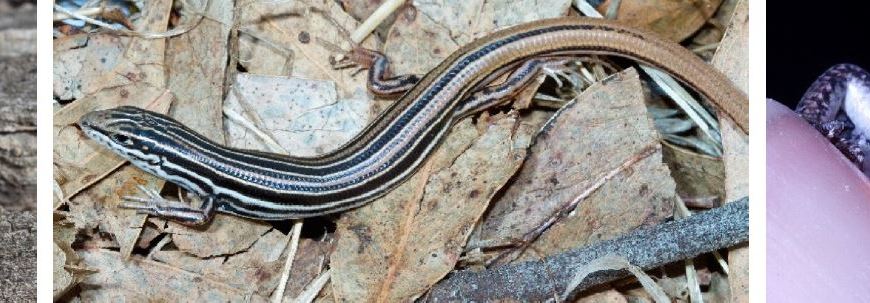
Following her recent paper in the Journal of Applied Ecology, ‘Remnant vegetation, plantings and fences are beneficial for reptiles in agricultural landscapes’, Stephanie Pulsford explores the balancing act of supporting both agriculture and biodiversity conservation. In a recent study of reptiles in grazing landscapes we demonstrated the importance of maintaining and promoting native vegetation within agricultural land for improved biodiversity conservation outcomes. We also showed that … Continue reading For the love of trees: the benefits of vegetation and paddock management for reptiles in grazing landscapes