On the horizon: mercury rising

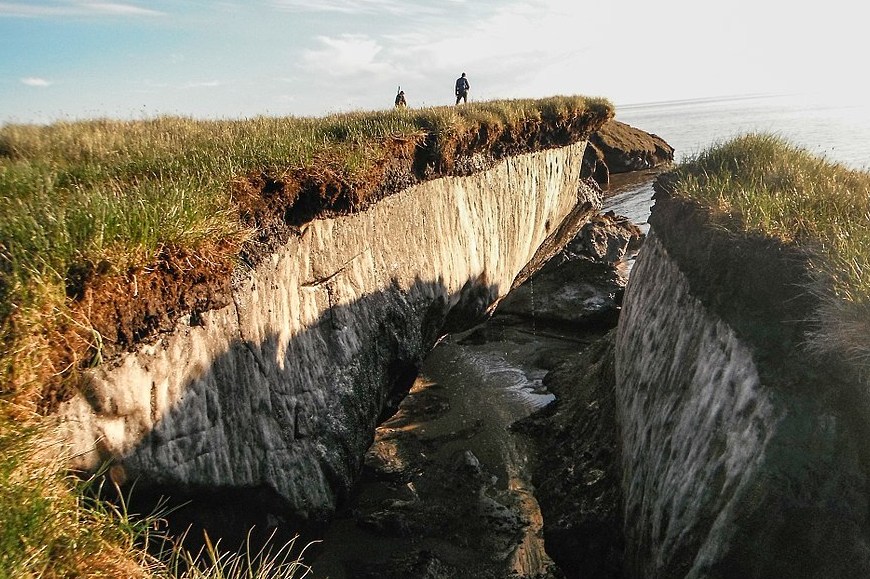
For our latest ‘On the horizon’ post, Colleen Seymour explains how climate change could release vast amounts of mercury into the environment as permafrost melts. Hat making was a particularly hazardous occupation in the 17th century.  Mercuric nitrate was used to soften pelts, and its use in poorly-ventilated rooms almost inevitably led to mercury (Hg) poisoning (‘mecurialism’), which manifested as a combination of psychoses, physical … Continue reading On the horizon: mercury rising

On the horizon: Options for cultivating rice as climate changes and salinity increases

For the latest post in our series looking at developing issues in the world of conservation, Erica Fleishman explores food security and the production of rice in a changing climate. Rising sea levels, drought, and agricultural irrigation have increased the salinity of soils in both coastal and inland areas. Mineral deficiencies and toxicity may accompany local increases in salinity. As a result, scientists aim to … Continue reading On the horizon: Options for cultivating rice as climate changes and salinity increases

On the horizon: Climate change and the capacity of Antarctic benthos to store carbon

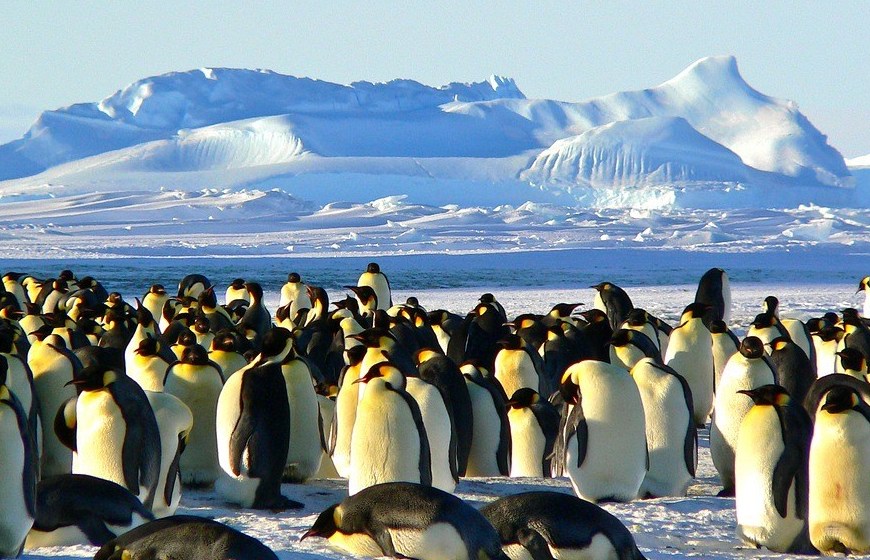
Kicking off our On the horizon series of posts about emerging issues in conservation and applied ecology, Nathalie Pettorelli explores how climate change and melting ice in the Antarctic could affect carbon storage on a global scale. Just a few days ago, news outlets around the world were reporting on the findings from a study published in the Proceedings of the National Academy of Sciences … Continue reading On the horizon: Climate change and the capacity of Antarctic benthos to store carbon

Deer prevent severe canopy fires, save oak trees and contribute to ecosystem carbon storage

While deer may impact tree regeneration, they can also help prevent the spread of severe wildfires. Given increased likelihood of extreme climatic events, such as droughts, Miguel Bugalho explains how we need to consider both the positive and negative effects of wild ungulate grazing.  Deer mitigate severe wildfires Wild ungulate herbivores, namely deer, may negatively affect tree regeneration through consumption and damage of young seedlings … Continue reading Deer prevent severe canopy fires, save oak trees and contribute to ecosystem carbon storage

Identifying lurking garden invaders promoted by climate change

In our changing climates, some introduced ornamental plant species could establish themselves and become invasive. Emily Haeuser and colleagues present a new model for helping assess naturalization risk in their article, European ornamental garden flora as an invasion debt under climate change. Invasive species can cause significant ecological and economic damage worldwide. They can disrupt ecosystem services, and put threatened and endangered species at risk … Continue reading Identifying lurking garden invaders promoted by climate change

Issue 55:4

From stressed trees in cities to the recovery of coral in the deep ocean, here are some highlights from our latest issue: Applying ecology to inform plant disease management policy and avoid regulator-grower conflict Our Editor’s Choice for this issue How could the EU’s LIFE funds enhance conservation in Natura 2000? Prioritisation exercises to better-distribute funds in the EU Warming, insect pests and water stress … Continue reading Issue 55:4

How to manage city trees in a changing climate?

Without sufficient water, urban trees are susceptible to other stressors, including insect pests. Associate Editor, Pieter De Frenne (Ghent University, Belgium) explains how Meineke and Frank’s recent paper, Water availability drives urban tree growth responses to herbivory and warming, provides key research into the management of a vital ecosystem service. Cities are hot. Not only to taste the best latte macchiato in the fanciest coffee … Continue reading How to manage city trees in a changing climate?

Warming, insect pests and water stress combine to reduce tree growth in the city

Emily Meineke comments on new research, Water availability drives urban tree growth responses to herbivory and warming  published today in Journal of Applied Ecology. Cities are getting warmer. This is due in part to global climate change. The more important factor for now, though, is the urban heat island effect; local warming in cities caused by sidewalks, asphalt, and reduced tree cover. In short, areas with less … Continue reading Warming, insect pests and water stress combine to reduce tree growth in the city

How important is seagrass for blue carbon?

Seagrass is key for carbon storage but shading from man-made structures is putting seagrass meadows at risk. Associate Editor Nathalie Butt discusses the recent article, Effects of small-scale, shading-induced seagrass loss on blue carbon storage: Implications for management of degraded seagrass ecosystems by Stacey Trevathan-Tackett et al. Carbon storage in the sea Given ever-increasing global emissions, natural systems and organisms that can absorb and store … Continue reading How important is seagrass for blue carbon?

Leveraging functional diversity in farm fields for sustainability

The latest issue of Journal of Applied Ecology includes a Special Feature, Functional traits in agroecology. To accompany the feature, we’re introducing a series of blog posts from the authors themselves. The first of these comes from Jennifer Blesh and discusses her article, Functional traits in cover crop mixtures: Biological nitrogen fixation and multifunctionality. Global climate, energy, and water crises pose immense challenges for agricultural systems. … Continue reading Leveraging functional diversity in farm fields for sustainability