Collision avoidance: Navigating ships through recovering whale populations

In this blog post, Emily Hague and team discuss their latest research into the importance of careful consideration of collision-mapping approach and data selection when it comes to predicting high-risk vessel collision areas for whales. For conservationists and those that care about nature and our planet, the news can feel incredibly bleak, with daily (deservedly) scary stories of extreme climate change related temperatures, species fighting … Continue reading Collision avoidance: Navigating ships through recovering whale populations

A safe passage: Protecting migratory birds in the North Sea

Maja Bradarić summarises how, alongside colleagues, they used 5 years of tracking bird radar data, weather and phenological variables to develop seasonal forecasts of bird migration over the southern North Sea. These forecasts of nocturnal bird migration may be used to define curtailment thresholds for offshore wind energy. In May 2023, turbines in two offshore wind farms in the Dutch North Sea came to a virtual … Continue reading A safe passage: Protecting migratory birds in the North Sea

Weather forecasts can help us save migratory birds from collisions with city buildings

In their latest research article, Sara Kross, Katherine Chen, Benjamin Van Doren and colleagues utilise 5 years of bird collision counts in New York City to determine the influence of nocturnal weather conditions and bird migration traffic rates on collisions with buildings. Migration is already a particularly dangerous part of the annual life cycle of many birds, and it’s estimated that collisions with windows kills up … Continue reading Weather forecasts can help us save migratory birds from collisions with city buildings

How can we limit wind turbine impacts on biodiversity?

There are growing concerns about the impact of renewable energy development on biodiversity. In their latest research, Camille Leroux and colleagues from the National Museum of Natural History of Paris, France, explore how wind turbines impact bat spatial distribution. World-wide policies have led to a drastic increase in renewable energy developments to tackle climate emergencies, either using solar, tidal or wind energy. While these energies … Continue reading How can we limit wind turbine impacts on biodiversity?

Spotlight: Conservation in marine habitats

This month, Journal of Applied Ecology turns its focus to the health of the worlds’ oceans, with a new Spotlight, Conservation in marine habitats. Ignasi Montero-Serra summarizes the importance of this collection of work that provides a variety of cutting-edge tools to quantify the impact of major stressors, and to guide management actions across marine habitats; from the intertidal to the deep sea. Marine habitats … Continue reading Spotlight: Conservation in marine habitats

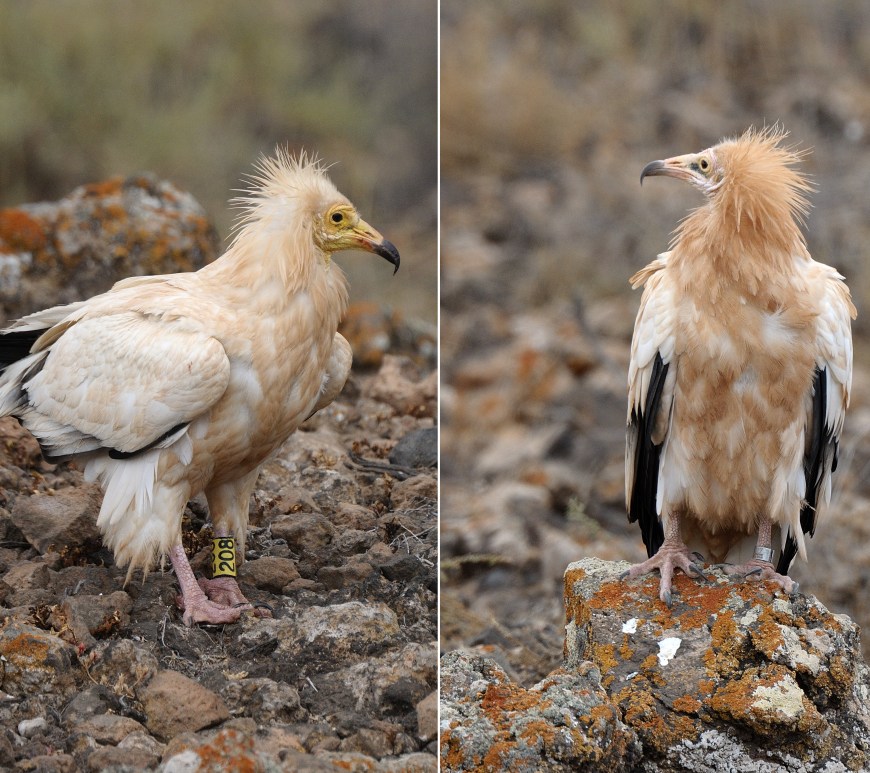
Long-term European LIFE project key for the recovery of an endangered Egyptian vulture population

In new research, Jaume Adrià Badia‐Boher and colleagues highlight the need for long-term monitoring of conservation programmes. Here, co-author, Ana Sanz‐Aguilar demonstrates one success story of this nature, in conservation of the Canary Egyptian Vulture. The population of one of the most endangered raptors in Europe, the Canary Egyptian Vulture (Neophron percnopterus majorensis), is recovering. This is one of the main conclusions reached by an international … Continue reading Long-term European LIFE project key for the recovery of an endangered Egyptian vulture population

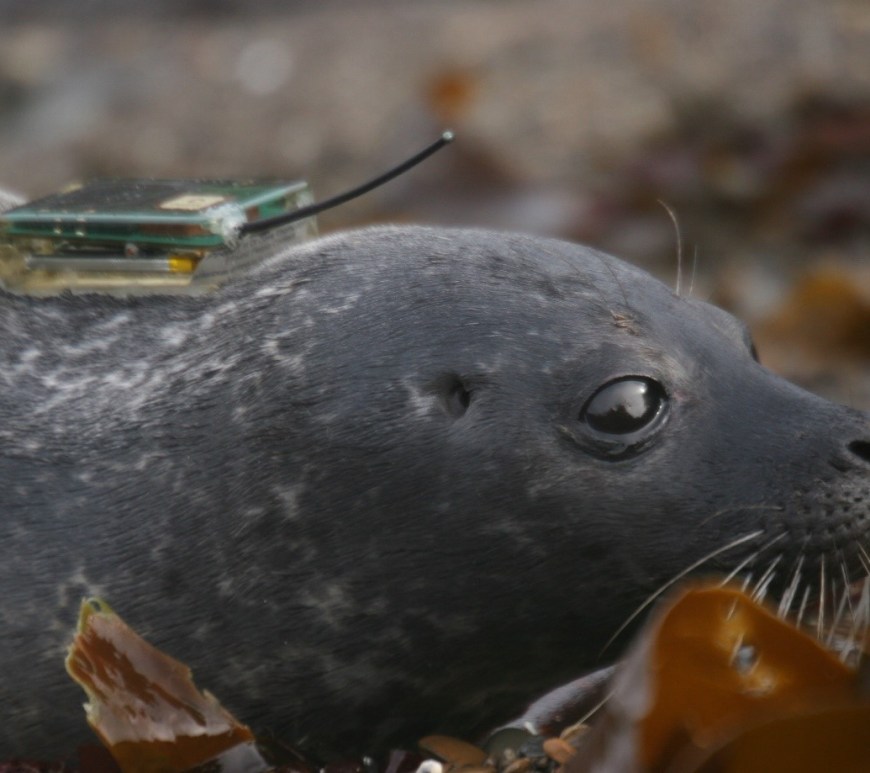
Seals avoid tidal turbine sounds

What do tidal turbines mean for our marine mammals? Gordon Hastie comments on recent article, Harbour seals avoid tidal turbine noise: Implications for collision risk, published in Journal of Applied Ecology. Does reliable tidal energy come at an environmental cost? Renewable energy is rapidly gaining momentum in an effort to cut carbon emissions and reduce the effects of climate change.  Although wind and solar are … Continue reading Seals avoid tidal turbine sounds