The rise and fall of a simple solution

In this post Anna-Sara Liman discusses her recent paper ‘Predator refuges for conservation biological control in an intermediately disturbed system: the rise and fall of a simple solution‘ The first so called willow “energy forests” were planted in Sweden (and the UK) in the early nineties and represent among the first steps towards development of a bioenergy sector and a future bioeconomy. Willows are fast-growing … Continue reading The rise and fall of a simple solution

More accurate mapping of coastal wetlands is vital for their management and conservation

In this post, Associate Editor Nathalie Butt discusses a recent paper ‘Habitat mapping of coastal wetlands using expert knowledge and Earth Observation data’ by Maria Adamo, Cristina Tarantino, Valeria Tomaselli, Guiseppe Veronico, Harini Nagendra and Palma Blonda. Habitats at risk What do we usually think of when we hear ‘wetland’ or ‘coastal wetland’? A flat marshy area by the sea somewhere, perhaps with a bird … Continue reading More accurate mapping of coastal wetlands is vital for their management and conservation

Understanding the distribution of a terrestrial mammal community

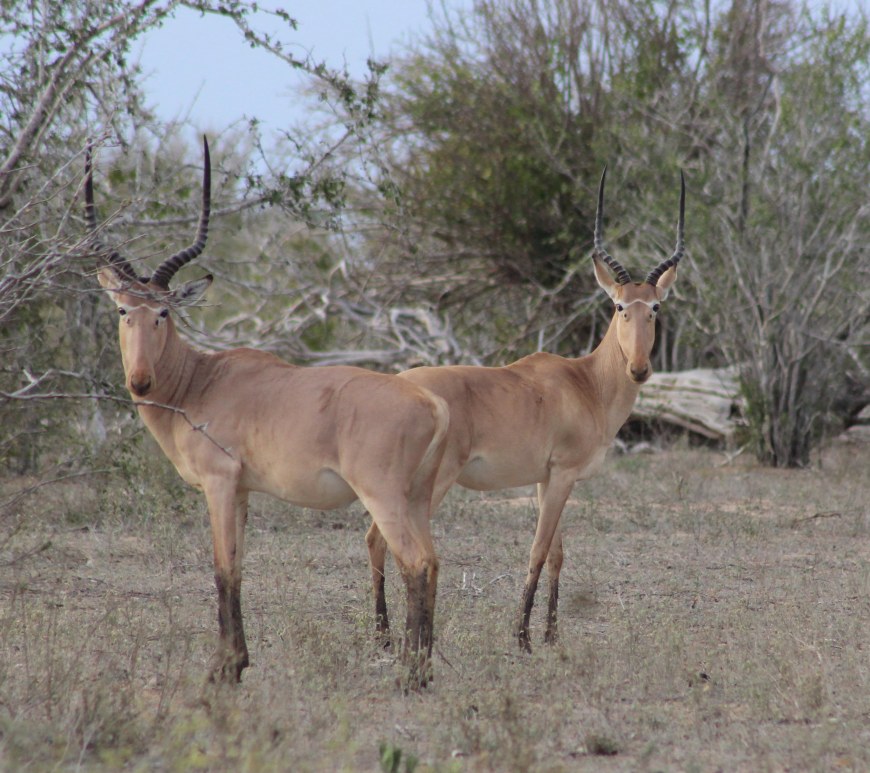
Associate Editor Matt Hayward discussed the importance of the recent paper from Lindsey Rich and colleagues ‘Using camera trapping and hierarchical occupancy modelling to evaluate the spatial ecology of an African mammal community’ with his PhD student, Lilian Sales (supervised by Rafael Loyola of the Conservation Biogeography Lab at the Federal University of Goias, Brazil) and below are her views on this paper. Monitoring wildlife … Continue reading Understanding the distribution of a terrestrial mammal community

Adapting to realistic constraints of eradications: an ‘action-portfolio’ framework that improves ecological benefit and reduces cost

This post by Melissa Wynn, discusses the recent paper by Kate Helmstedt, Justine Shaw, Michael Bode, Aleks Terauds, Keith Springer, Susan Robinson and Hugh Possingham ‘Prioritizing eradication actions on islands: it’s not all or nothing‘ Melissa is a PhD Candidate in the Fenner School of Environment and Society, at the Australian National University, (Twitter: @melissalwynn) One of the greatest threats facing Australia’s unique fauna today … Continue reading Adapting to realistic constraints of eradications: an ‘action-portfolio’ framework that improves ecological benefit and reduces cost

Are models useful? – Predicting intertidal seagrass habitats

In this post Associate Editor Yolanda Wiersma discusses a paper she recently handled by Eelke Folmer and colleagues ‘Consensus forecasting of intertidal seagrass habitat in the Wadden Sea‘ “All models are wrong, but some are useful” The above quote, from British statistician George E.P. Box, has become something of an aphorism in modelling. Upon discovery of the quote, graduate students immediately take comfort from it, … Continue reading Are models useful? – Predicting intertidal seagrass habitats

New spatio-temporal model improves the ability of fishery managers to set sustainable catch limits

In this post Associate Editor Andre Punt discusses a paper he recently handled by James T. Thorson, Jason Jannot and Kayleigh Somers ‘Using spatio-temporal models of population growth and movement to monitor overlap between human impacts and fish populations‘ In many jurisdictions, including the U.S., conservation management of fish stocks involves comparing catches with estimates of an overfishing limit (OFL). The OFL is a catch … Continue reading New spatio-temporal model improves the ability of fishery managers to set sustainable catch limits

We may be underestimating the negative impacts of logging on the biodiversity of tropical forests

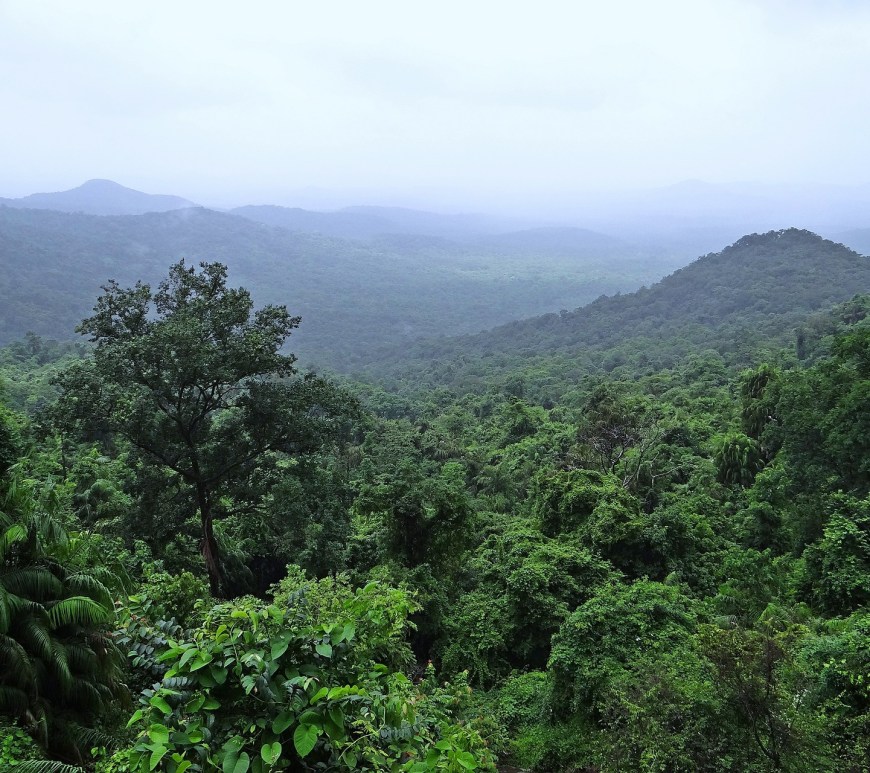
In this post Filipe França & Hannah Griffiths discuss their recent paper ’Do space-for-time assessments underestimate the impacts of logging on tropical biodiversity? An Amazonian case study using dung beetles The difficulty in developing strong researcher-practitioner relationships is a central ‘stumbling block’ in conservation science. Unfortunately this means that more often than not the policy implications of ecological research don’t reach the people responsible for … Continue reading We may be underestimating the negative impacts of logging on the biodiversity of tropical forests

VIDEO: Saving seagrass isn’t just a pipefish dream – strategies to enhance its resilience

In this post Richard Unsworth discusses his recent Practitioner’s Perspective article with Leanne Cullen-Unsworth ‘Strategies to enhance the resilience of the world’s seagrass meadows‘ Over the last few years we’ve been increasingly interested by the #oceanoptimism movement on Twitter. It seeks to try and reframe the marine conservation story from a narrative of doom and gloom to one that seeks to see the positives in conservation around … Continue reading VIDEO: Saving seagrass isn’t just a pipefish dream – strategies to enhance its resilience

Getting on with interviews

This piece is written by Heather Crump, Aberystwyth University, BES Conservation Ecology SIG Early Career Representative @hec72012. It has also been posted on the BES and ZSL Wild Science blogs. Many doors can open as a result of a PhD, whether they lead to continued research, lectureships or work with a non-governmental organisation; none are to be left unexplored. However, finding the key to open … Continue reading Getting on with interviews

The nuances of networking and the crux of the CV

This piece is written by Lydia Cole, Rezatec, BES Conservation Ecology SIG Liaison Officer @lydcole. It has also been posted on the BES and ZSL Wild Science blogs. “Who enjoys networking?” Silence. And then we all hear the news: our first task is a game, which consists in spending 20 minutes networking our very hardest.  The rule is simple: the winner of the ‘competition’ is … Continue reading The nuances of networking and the crux of the CV