Lessons from an Australian grazing study

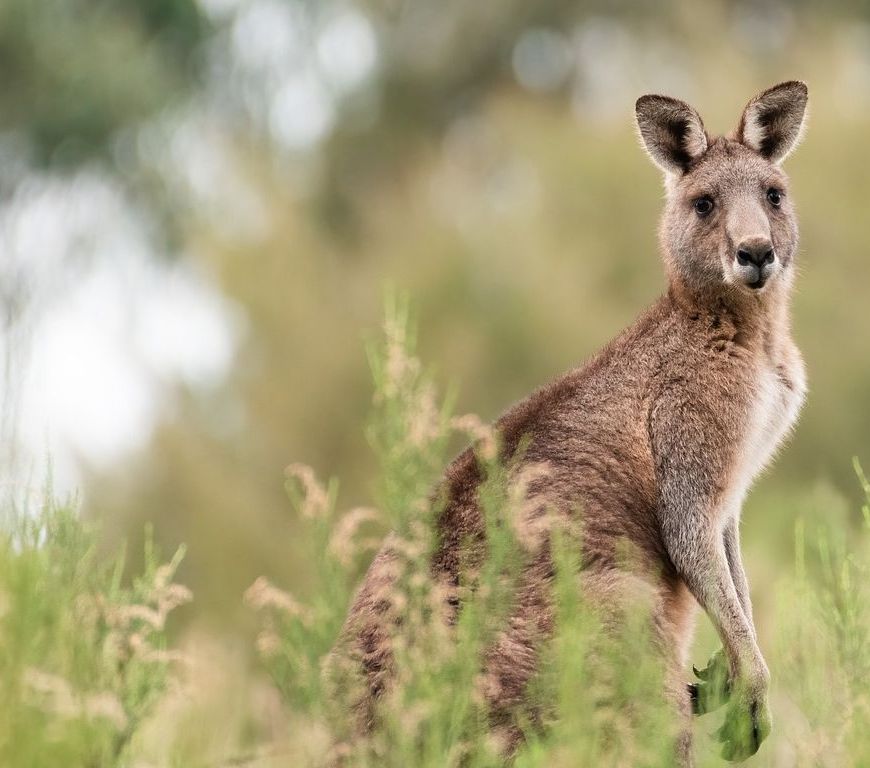
As part of Journal of Applied Ecology’s efforts to discuss how real-world impact can be achieved following research, we’re talking to authors about their studies. In this post, David Eldridge shares insights into conducting a large-scale collaborative study which explores the effects of livestock grazing on conservation in eastern Australia. In late 2015 I was asked to be involved in a study to identify the … Continue reading Lessons from an Australian grazing study

Collision avoidance: Navigating ships through recovering whale populations

In this blog post, Emily Hague and team discuss their latest research into the importance of careful consideration of collision-mapping approach and data selection when it comes to predicting high-risk vessel collision areas for whales. For conservationists and those that care about nature and our planet, the news can feel incredibly bleak, with daily (deservedly) scary stories of extreme climate change related temperatures, species fighting … Continue reading Collision avoidance: Navigating ships through recovering whale populations

Evaluating songbird vulnerability to offshore wind turbine mortality

Leon Green-Tkacenko and co-authors share insight into their recent study that explores how existing vulnerability indices for seabirds can be applied to migrating songbirds, and potentially other migrating birds, in evaluating vulnerability to offshore wind turbine morality. What is the problem? Climate change is the most pressing threat to biodiversity in the 21st century andaddressing this threat will require substantial changes to how we generate … Continue reading Evaluating songbird vulnerability to offshore wind turbine mortality

Black History Month 2024: Lekeah Durden

For Black History Month 2024, the British Ecological Society (BES) journals are celebrating the work of Black ecologists around the world and sharing their stories. In this blog, Lekeah Durden shares her story and journey in academia. Contact: Affiliation: University of Georgia-Athens, USA LinkedIn: https://www.linkedin.com/in/lekeahdurden Ecological Interests How did you get into ecology? My passion for exploring the world and its diverse cultures has always … Continue reading Black History Month 2024: Lekeah Durden

Tracking koalas – how airborne DNA can help us

In this blog post, Nicola Jackson shares the findings from their latest study looking at how sampling air particles to detect DNA can be useful in monitoring and conserving koalas. Perched high up in a Eucalyptus tree, swaying from side to side, lies a sleepy koala unaware of the means spent each year trying to obtain accurate baseline information about its presence. We have thrown … Continue reading Tracking koalas – how airborne DNA can help us

Restoring Landscapes: a community effort to restore the Solent’s seagrass

In the ‘Restoring Landscapes’ blog series, we are promoting knowledge exchange from restoration projects around the world. As part of Solent Seascape Project, the Hampshire & Isle of Wight Wildlife Trust and Project Seagrass are partnering to restore a combined total of seven hectares of seagrass beds. Seagrass meadows are internationally important habitats, serving as crucial nursery and spawning grounds for commercially important fish species, … Continue reading Restoring Landscapes: a community effort to restore the Solent’s seagrass

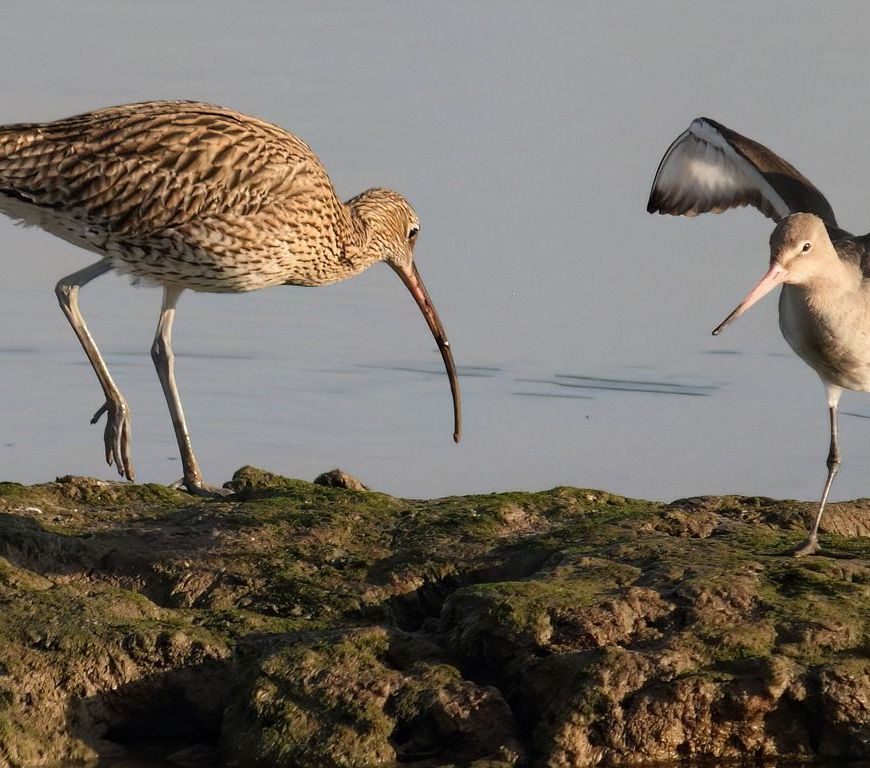
Beneath the Waves: Estimating Marine Bird Abundances Outside the Breeding Season

Ruth Dunn shares insights on her latest study where, alongside her colleagues, she investigated the number of marine birds, outside of their breeding seasons, that may be undetectable when underwater during at-sea surveys. Investing in renewable energy developments, as opposed to burning fossil fuels, has been hailed as a route through which humans might be able to counteract anthropogenic-induced climate change. Within western Europe, it … Continue reading Beneath the Waves: Estimating Marine Bird Abundances Outside the Breeding Season

From the Caribbean to the World: Reclaiming My Path as a Black Marine Ecologist

For Black History Month 2024, the British Ecological Society (BES) journals are celebrating the work of Black ecologists from around the world and sharing their stories. In this blog, Lionel Yamb shares his story. Ecological interests: Links: https://x.com/lionelyamb https://www.linkedin.com/in/lionel-yamb-b66024103/ https://www.facebook.com/lionel.yamb?locale=fr_FR https://www.instagram.com/lionelyamb/ How did you get into ecology? My journey into ecology began with a deep curiosity about the natural world around me. Growing up in Cameroun, … Continue reading From the Caribbean to the World: Reclaiming My Path as a Black Marine Ecologist

Ecological Associations of Lantana camara in an East African Savanna Park

Fredrick Ssali, Robert Baluku, Gilbert Drileyo and Moses Muhumuza recount their experience investigating the invasive flowering plant Lantana camara and its impact on common native species in western Uganda. Researchers at the Uganda Wildlife Research and Training Institute (UWRTI) teamed up with scientists from two Ugandan Universities and explored associations between Lantana camara and common native species in Queen Elizabeth National Park in western Uganda. … Continue reading Ecological Associations of Lantana camara in an East African Savanna Park

Restoring Landscapes: measuring six years of progress

As part of the ‘Restoring Landscapes’ blog series, Iona Haines shares the launch of a new tool that provides an invaluable resource for anyone interested in restoration, including practitioners, donors and policymakers, and explores why data and transparency are so critical to restoration. The Endangered Landscapes & Seascapes Programme has released in-depth monitoring data from six years of large-scale restoration across Europe, now accessible through … Continue reading Restoring Landscapes: measuring six years of progress