Editor’s Choice 56:2 – A trait-based approach for forest ecosystem management

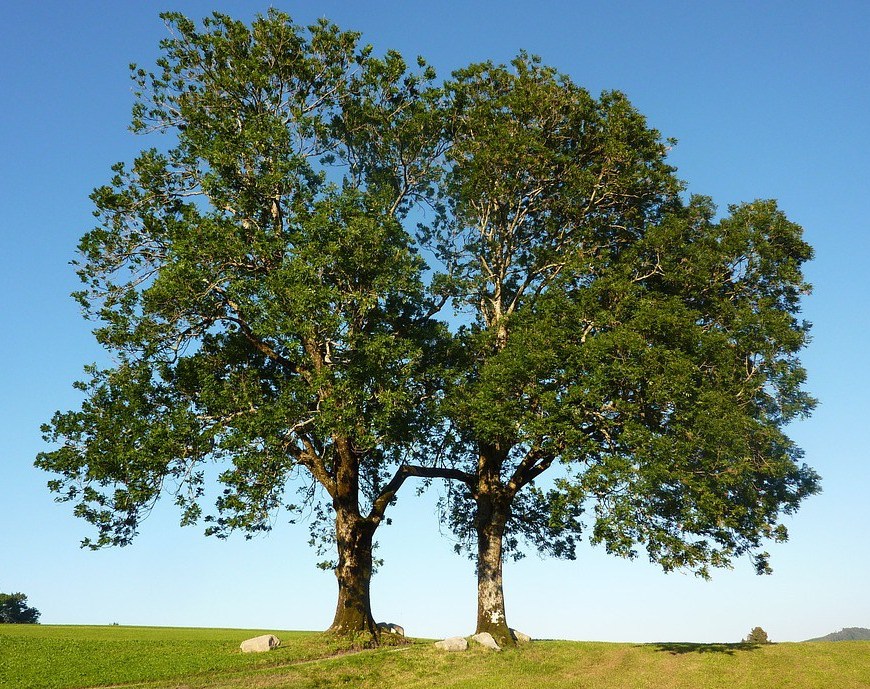
The Editor’s Choice for issue 56:2 is written by Associate Editor, Alex Fajardo.  The selected article, Maintaining ecosystem properties after loss of ash in Great Britain by Louise Hill et al, focuses on the importance of using plant functional traits to predict potential changes to an ecosystem, following the loss of a key species. In their study, Maintaining ecosystem properties after loss of ash in Great … Continue reading Editor’s Choice 56:2 – A trait-based approach for forest ecosystem management

Managing sites with ash dieback to conserve functional traits

Adopting a technique generally used in the social sciences but rarely in ecology, Louise Hill (University of Oxford) et al. provide a new summary for land managers looking to predict and manage the effects of ash dieback. Their work was recently published in Journal of Applied Ecology: Maintaining ecosystem properties after loss of ash in Great Britain. Ash dieback, an invasive disease of ash trees, is … Continue reading Managing sites with ash dieback to conserve functional traits

A win-win for wine

Inter-row vegetation in vineyards can help tackle soil erosion without sacrificing the quality of grapes. Associate Editor, Peter Manning (Senckenberg Biodiversity and Climate Centre) discusses the recent Review by Winter et al., Effects of vegetation management intensity on biodiversity and ecosystem services in vineyards: A meta‐analysis When we think of intensive agriculture most of us conjure images of factory farmed chickens or wheat fields spayed with litres … Continue reading A win-win for wine

Video: Riverine ecosystem service quantification

Dalal Hanna et. al.’s paper, A review of riverine ecosystem service quantification: Research gaps and recommendations features in issue 55:3 of Journal of Applied Ecology. Watch this video to find out more. ‘Rivers provide numerous ecosystem services, including drinking water and irrigation. They also provide habitat to some our favourite food sources like fish, and places to go for fun recreational activities like swimming. To ensure … Continue reading Video: Riverine ecosystem service quantification

When ecosystems take with one hand and give with the other

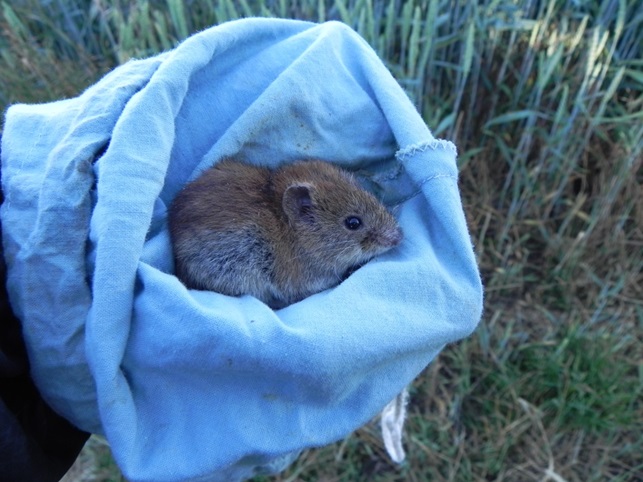
Assessing the costs and benefits small rodents present to farmers, Associate Editor, Jonathan Rhodes comments on the recent article by Fischer et al. Ecosystem services and disservices provided by small rodents in arable fields: Effects of local and landscape management. We all know that ecosystems provide a wealth of benefits to humans and there is now a whole rapidly growing discipline in this area focused on … Continue reading When ecosystems take with one hand and give with the other

More than just a pretty cover – enhancing plant conservation on green roofs

Following Walker and Lundholm’s recent Journal of Applied Ecology paper, Designed habitat heterogeneity on green roofs increases seedling survival but not plant species diversity, Associate Editor Cate Macinnis-Ng discusses enhancing the ecological benefits of the green roof. Famed for their spectacular and lush green terraces of trees, shrubs and vines, the Hanging Gardens of Babylon were perhaps amongst the first green roofs. Modern-day green roofs are … Continue reading More than just a pretty cover – enhancing plant conservation on green roofs

Toward prediction in the restoration of biodiversity

Issue 54:4 of the Journal of Applied Ecology features a Special Feature, Toward prediction in the restoration of biodiversity. In the first of a series of blogs accompanying the feature, Guest Editor, Lars Brudvig introduces the work and the ecological ideas behind this collection of articles. By repairing ecosystems damaged through human activities, ecological restoration plays an important role in biodiversity conservation efforts. Furthermore, restoration … Continue reading Toward prediction in the restoration of biodiversity

Success of sweat bees on hot chillies in traditional slash-and-burn agriculture – with Spanish translation

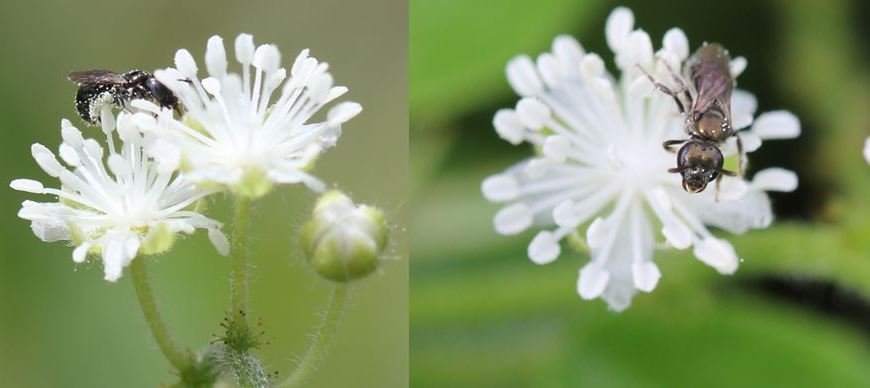
In this post Patricia Landaverde-González discusses her recent paper ‘Sweat bees on hot chillies: provision of pollination services by native bees in traditional slash-and-burn agriculture in the Yucatán Peninsula of tropical Mexico‘ Patricia has also provided a Spanish translation of this post to reach out to Spanish readers interested in this topic. Journal of Applied Ecology is dedicated to making papers more accessible for an … Continue reading Success of sweat bees on hot chillies in traditional slash-and-burn agriculture – with Spanish translation

Forests as an important system for applied ecology

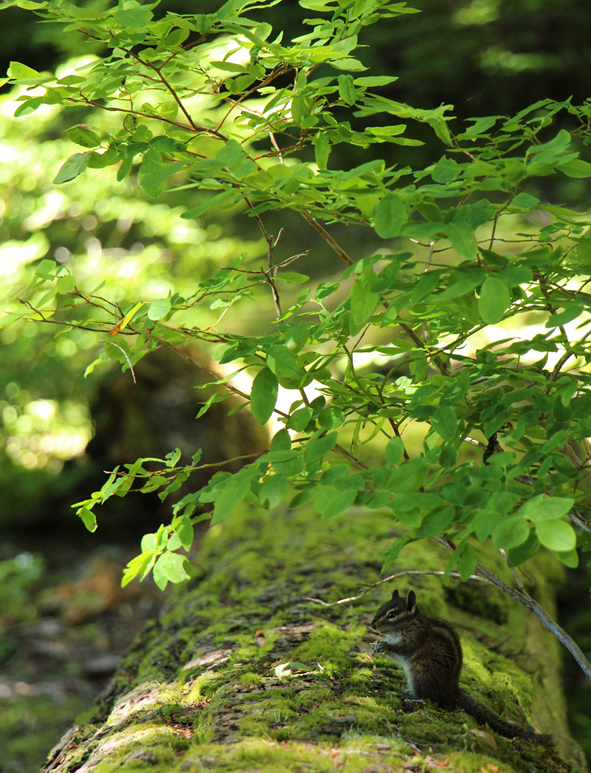
In this post, Associate Editor Akira Mori gives his personal perspective on organizing the recent Special Feature: Forest biodiversity and ecosystem services. One day, I suddenly got an idea to organize a Special Feature, which has a deep focus on several key terms of my research topics from the last several years. These key terms include biodiversity, climate change, ecosystem function, ecosystem services, and most … Continue reading Forests as an important system for applied ecology

Ecological intensification of agriculture: ideas that begin to take root – now with Spanish translation

In this post Nahuel Policelli discusses a recent paper by Timothy M. Bowles and colleagues ‘Ecological intensification and arbuscular mycorrhizas: a meta-analysis of tillage and cover crop effects‘ *Update: On 10 November, we added a Spanish translation of this post. Nahuel provided the translation to reach out to Spanish readers interested in this topic. Journal of Applied Ecology is dedicated to making papers more accessible … Continue reading Ecological intensification of agriculture: ideas that begin to take root – now with Spanish translation