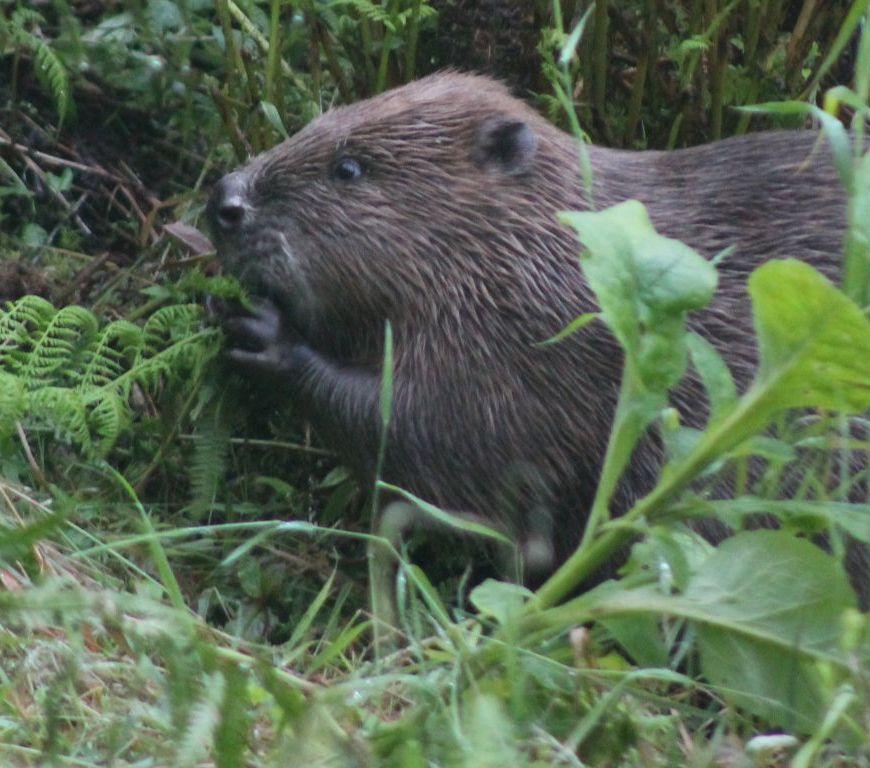
Beaver wetlands create a buzz and a flutter for pollinators

Patrick Cook discusses the impacts of beaver wetlands on pollinator communities, summarising recently-published research. Can beaver wetlands create a buzz and a flutter for pollinators? That’s a question that has occupied my mind since 2022. It began one evening sat at the edge of a beaver wetland looking at Greater Spearwort and wondering what pollinators visit the yellow flowers of this gigantic buttercup! Subsequently the … Continue reading Beaver wetlands create a buzz and a flutter for pollinators

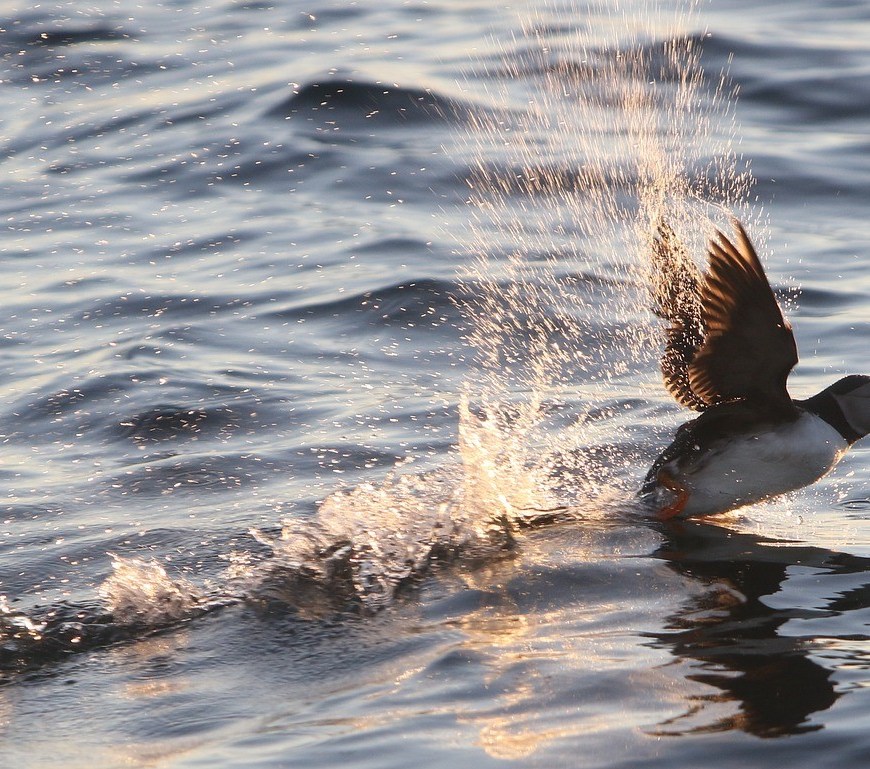
Beneath the Waves: Estimating Marine Bird Abundances Outside the Breeding Season

Ruth Dunn shares insights on her latest study where, alongside her colleagues, she investigated the number of marine birds, outside of their breeding seasons, that may be undetectable when underwater during at-sea surveys. Investing in renewable energy developments, as opposed to burning fossil fuels, has been hailed as a route through which humans might be able to counteract anthropogenic-induced climate change. Within western Europe, it … Continue reading Beneath the Waves: Estimating Marine Bird Abundances Outside the Breeding Season

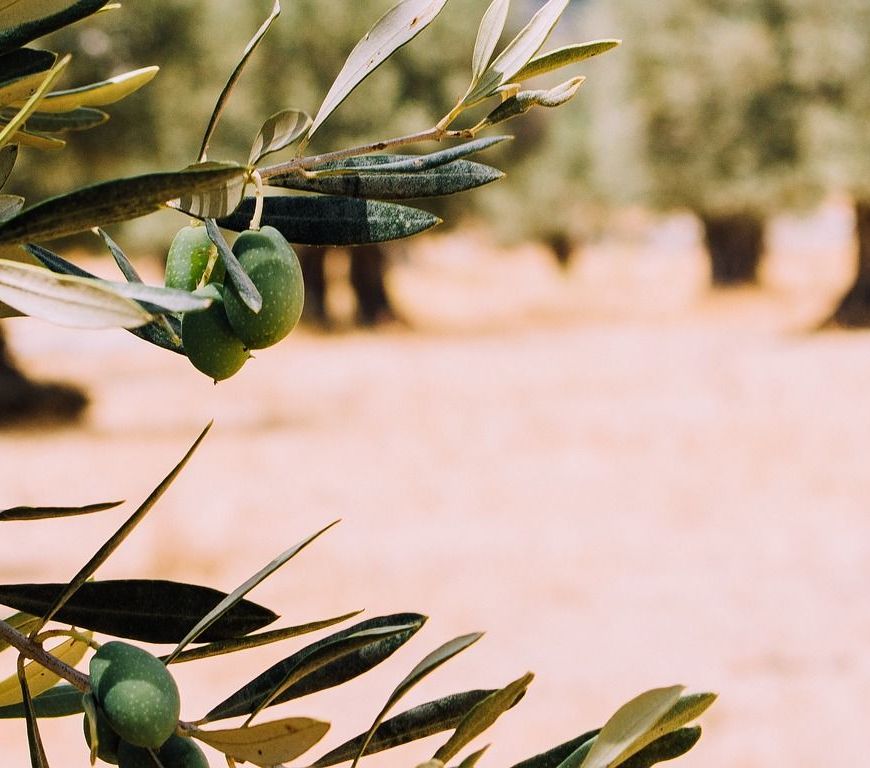
Temporal mismatches in flight activity patterns between Pipistrellus kuhlii and Prays oleae in olive farms: Implications for biocontrol services potential

In this blog post José M. Herrera discusses their latest research, conducted alongside co-authors, which looks at the temporal relationship between the nightly activity patterns of the common pipistrelle bat (Pipistrellus kuhlii) and the olive fruit moth (Prays oleae). To enhance biocontrol services, they propose increasing the availability of suitable roosting and foraging sites as well as conserving areas of remnant native woodland and scattered … Continue reading Temporal mismatches in flight activity patterns between Pipistrellus kuhlii and Prays oleae in olive farms: Implications for biocontrol services potential

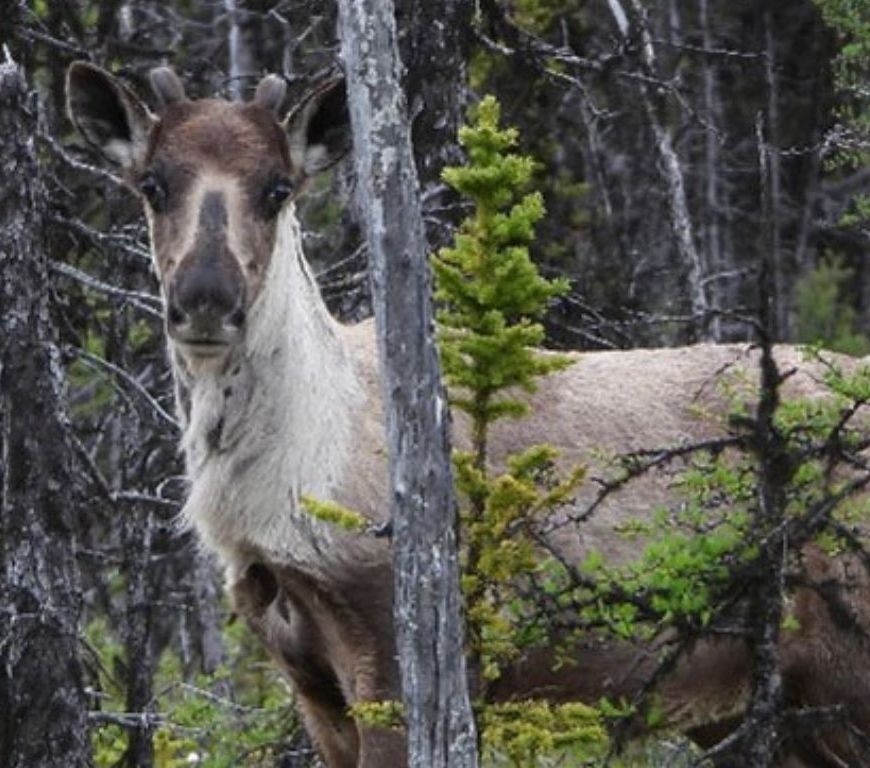
Forestry raises the predation risk to caribou – we found ways to reduce it

Tracy McKay and Laura Finnegan share their latest research investigating what affects ungulate occurrence  in forest harvest blocks in west-central Alberta, Canada. Five years ago, our research group developed an idea with forest companies to help conserve woodland caribou – Rangifer tarandus, the same species as the Eurasian reindeer – in western Canada. Summer after summer, our crews drove the mud and gravel roads spiderwebbing … Continue reading Forestry raises the predation risk to caribou – we found ways to reduce it

The proximity of rapeseed fields influences levels of forest damage by red deer

Deer can show transitional use between agricultural fields and forests for foraging and shelter which may have an effect on the level of forest damage. In their latest research, Anders Jarnemo and colleagues investigate this relationship by studying red deer in Skåne, Sweden. Red deer (Cervus elaphus) have been observed to cause severe damage to forest plantations through bark stripping, with tree species such as … Continue reading The proximity of rapeseed fields influences levels of forest damage by red deer

Spotlight: management of wide-ranging species

In issue 56:8 we showcase the research, technology and mitigation efforts going into the management of wide-ranging species today. Join Associate Editor, Johan du Toit in exploring this selection of work, free to read in the journal for a limited time. The ability to range widely across our planet conveys a game-changing advantage to certain animals, as was realised by humans when they discovered that … Continue reading Spotlight: management of wide-ranging species