Editor’s Choice 56:6 -Wild and free: red deer grazing for conservation

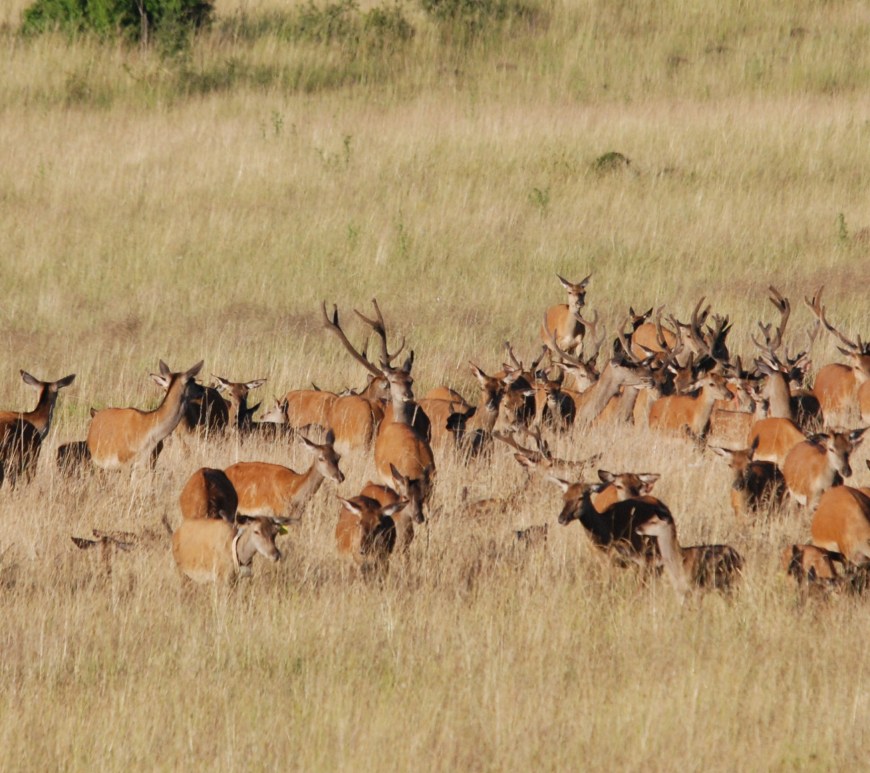
Issue 56:6’s Editor’s Choice article demonstrates how a ‘hands-off’ approach and grazing by wild ungulates can be just as effective as livestock when it comes to managing grassland biomass – given the specific contexts are considered. Annabel Smith and Jana Eccard share highlights from the research by Friederike Riesch and colleagues, Grazing by wild red deer: Management options for the conservation of semi‐natural open habitats. … Continue reading Editor’s Choice 56:6 -Wild and free: red deer grazing for conservation

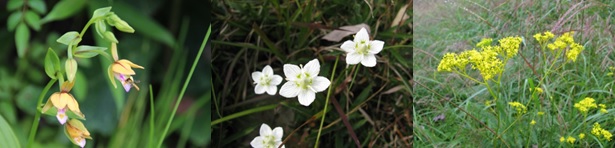
Traditional management systems maintain phylogenetically distinct rare species in semi-natural grasslands

Based on their research in Japan, Kei Uchida and colleagues, highlight why traditional land-use practices need to be upheld if we are to support biodiversity and rare species in semi-natural grasslands. We live in an era of rapidly changing land use. Semi-natural grasslands on the margins of agricultural lands were previously maintained by traditional extensive management practices. But, more recently, a decline in traditional land-use … Continue reading Traditional management systems maintain phylogenetically distinct rare species in semi-natural grasslands

U.S. policy-based management improves grassland bird nest survival – although finer-scale habitat has superior predictive ability

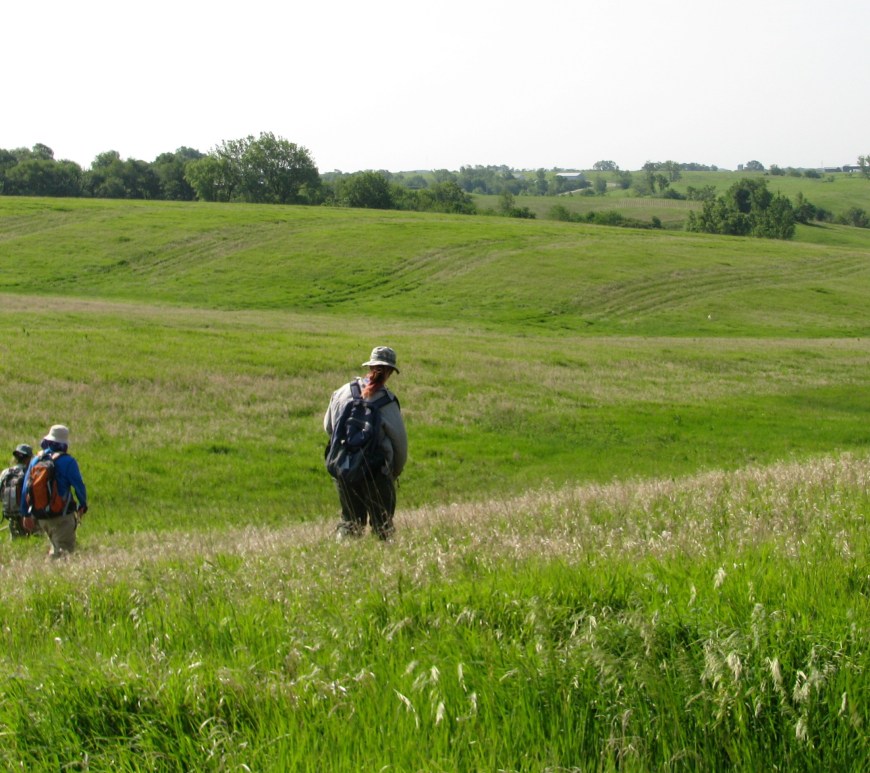
In a recent study, Justin Shew and colleagues found nest survival improved with policy-based management and establishing native grasses but conclude finer-scale details often have superior predictive ability from a multi-scale perspective. Read more about their findings here. A video summary of their work is also available. Grassland and farmland bird populations have been declining around the world and these declines are primarily attributed to … Continue reading U.S. policy-based management improves grassland bird nest survival – although finer-scale habitat has superior predictive ability

Grazers and fire management: conservation from a ‘systems’ perspective

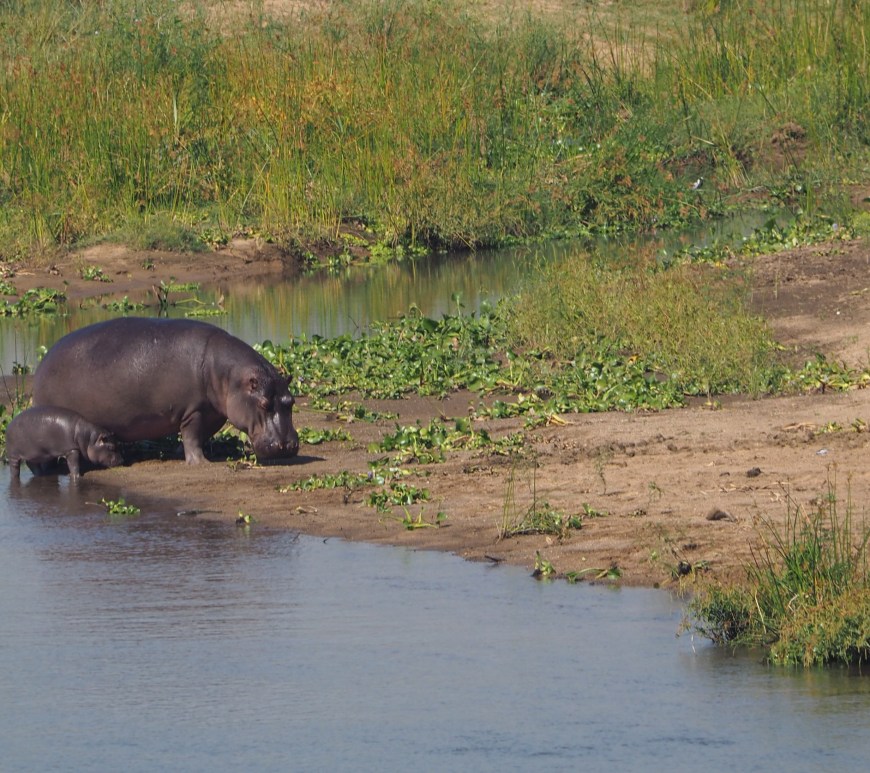
How do grazing herbivores like hippos affect the influence of fire? Following a recently published article, Izak Smit demonstrates the need for interdependence between herbivore and fire management. Grazing animals and fire are in direct competition – both of them consume grass. Previous continental-scale studies suggest that grazing animals have the competitive advantage in drier and more nutritious landscapes, whilst fires dominate in wetter and … Continue reading Grazers and fire management: conservation from a ‘systems’ perspective

Issue 55:4

From stressed trees in cities to the recovery of coral in the deep ocean, here are some highlights from our latest issue: Applying ecology to inform plant disease management policy and avoid regulator-grower conflict Our Editor’s Choice for this issue How could the EU’s LIFE funds enhance conservation in Natura 2000? Prioritisation exercises to better-distribute funds in the EU Warming, insect pests and water stress … Continue reading Issue 55:4

Fertilising with nutrient residues: a short-sighted solution for semi-natural grassland productivity?

Lauri Laanisto discusses their recent Commentary, Fertilising semi‐natural grasslands may cause long‐term negative effects on both biodiversity and ecosystem stability. Community ecology was once famously described as ‘collecting stamps’ by John Lawton, as every community is so different and unique in so many ways. Therefore, instead of making generalisations, one can only study unique communities the way a collector studies their unique collection – a very … Continue reading Fertilising with nutrient residues: a short-sighted solution for semi-natural grassland productivity?

Issue 55:2

Issue 55:2 includes a Spotlight on Decision making under uncertainty. Other topics include urban ecology, population monitoring, tropical forest restoration and more. Here we take a look at some of the articles published in this issue. Decision making under uncertainty Senior Editor, Michael Bode on this issue’s selection of Spotlight papers How does grazing by wild ungulates and livestock affect plant richness? This issue’s Editor’s Choice Jaguar … Continue reading Issue 55:2

Biodiversity erosion in Brazil due to land use change: the case of grasslands

A new study by Ingmar R. Staude et al. calls for more restrictive policies around land use change in South Brazil’s grasslands. Read the full article, Local biodiversity erosion in south Brazilian grasslands under moderate levels of landscape habitat loss in Journal of Applied Ecology. Common perception of biodiversity in Brazil is mostly biased towards the exotic wilderness of Amazonia, to lush rainforests that harbor species … Continue reading Biodiversity erosion in Brazil due to land use change: the case of grasslands

Diversity robustly suppresses weeds in intensive grassland systems – with multiple translations

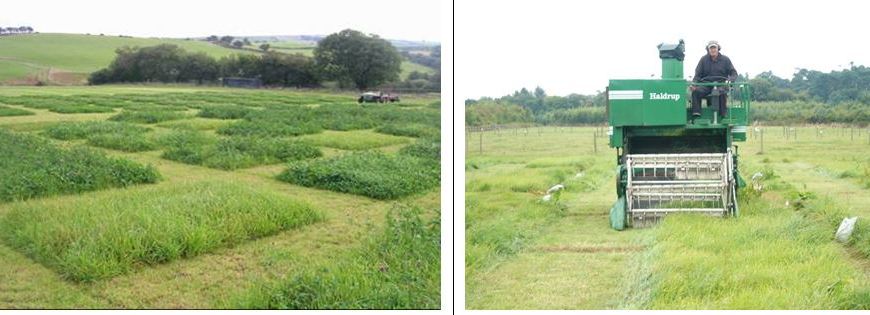
John Connolly and team comment on their recent article, Weed suppression greatly increased by plant diversity in intensively managed grasslands: a continental-scale experiment. As well as this English summary, the team have provided a number of translations. Read the text in German, Dutch, Spanish, French, Icelandic, Italian, Lithuanian, Norwegian, Catalan or Polish here . How can we get more from less use of natural resources in … Continue reading Diversity robustly suppresses weeds in intensive grassland systems – with multiple translations

Resilience: advancing a deceptively simple concept

The latest in our series of blogs to accompany the Special Feature, Toward prediction in the restoration of biodiveristy, is written by Loralee Larios. Loralee’s article, Where and how to restore in a changing world: a demographic-based assessment of resilience, is published in the Journal of Applied Ecology. The unprecedented rates at which natural systems have been altered have prompted a parallel increase in restoration efforts to … Continue reading Resilience: advancing a deceptively simple concept