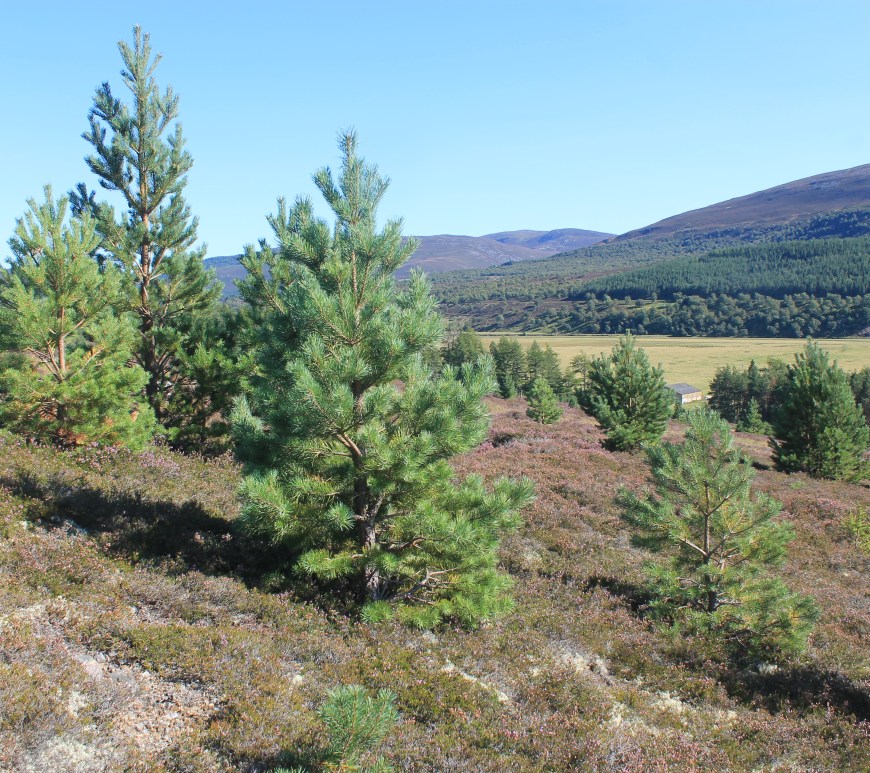
Project to restore and expand Scotland’s ancient forests provides a boost to moth biodiversity

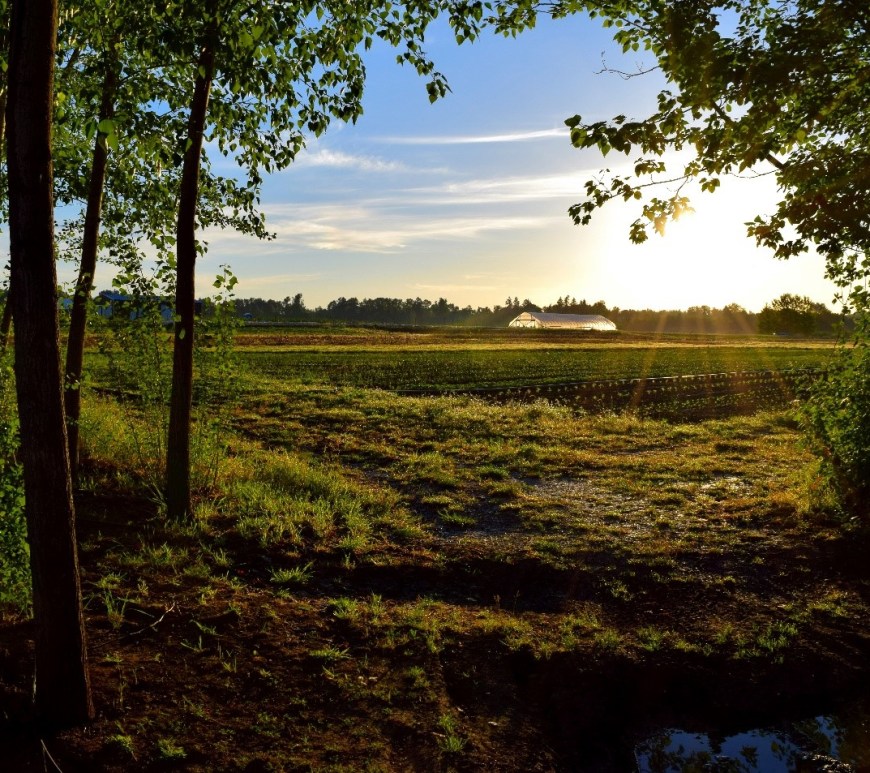
Patrick Cook and his team share their experience investigating how moths respond to a landscape-scale woodland expansion project at Mar Lodge Estate in the Scottish Highlands. Background Upland landscapes in Scotland have a low cover of native woodland yet provides an excellent opportunity to expand woodland cover for biodiversity. For instance, native pinewood now covers less than 18,000 hectares in 84 small areas and an … Continue reading Project to restore and expand Scotland’s ancient forests provides a boost to moth biodiversity

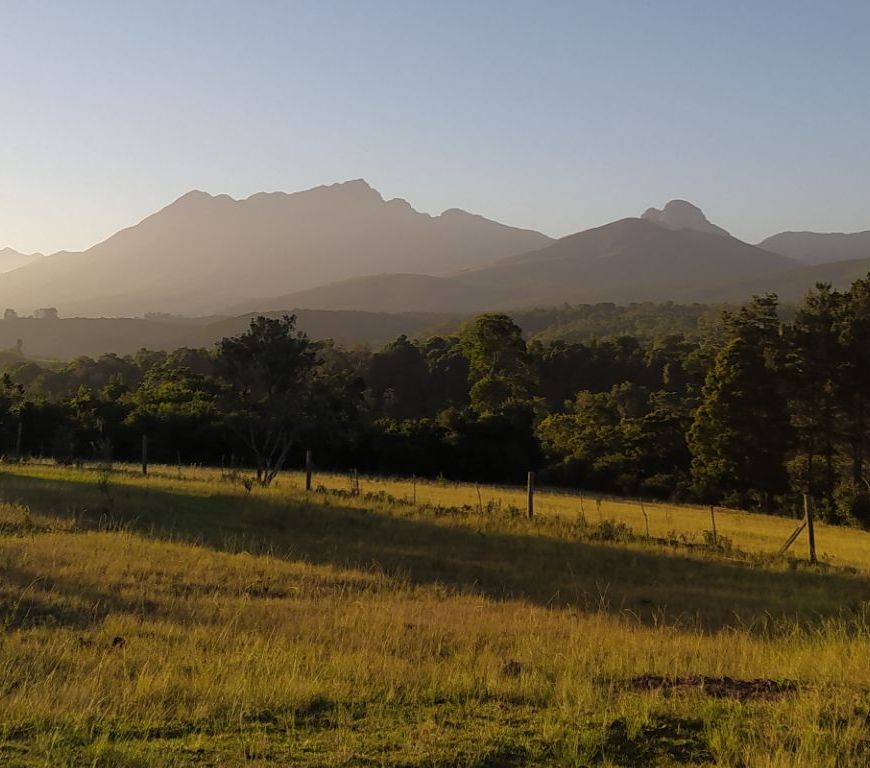
Combining local ecological knowledge with camera traps: African mammal life-history traits and their occurrence in anthropogenic landscapes

Alice Bernard and co-authors describe how they have jointly used local ecological knowledge and camera trap data. With hindsight, they discuss how involving local people in research projects can enhance conservation efforts in the Garden Route Biosphere Reserve (GRBR), South Africa. The Garden Route National Park (GRNP), in the eponym Biosphere Reserve, is one of the only truly unfenced National Parks in South Africa. The … Continue reading Combining local ecological knowledge with camera traps: African mammal life-history traits and their occurrence in anthropogenic landscapes

M²-gardens to probe the rural landscape

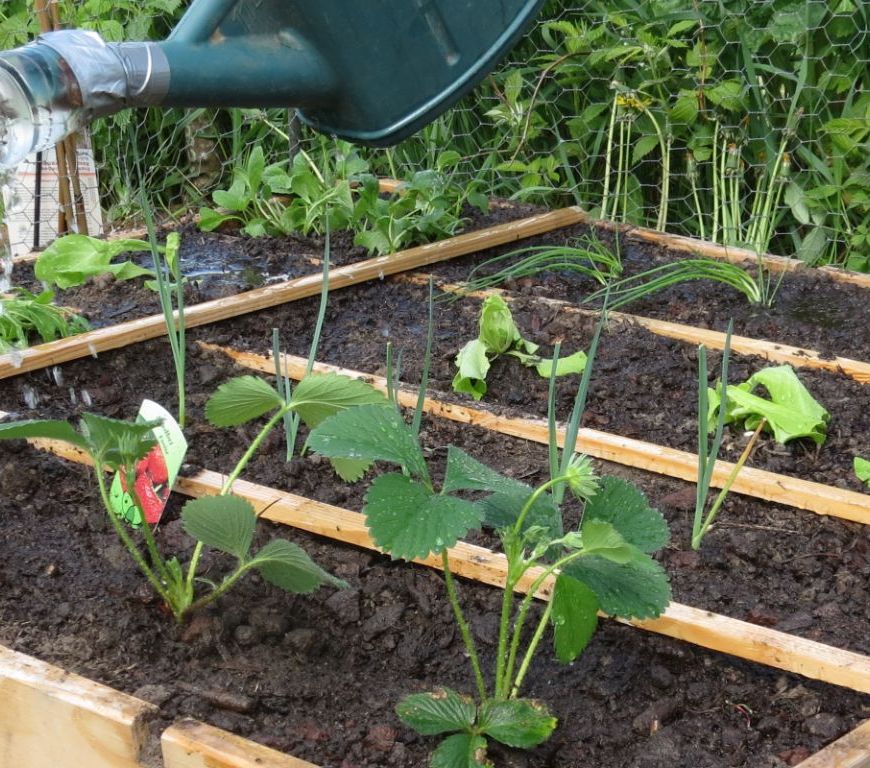
Frederik Gerits discusses their recently published article. Published in Journal of Applied Ecology, the article shows how variation in local land use types influence both biotic (e.g. presence and abundance of predatory arthropods and pollinators) and abiotic parameters (e.g. microclimate variation) in a peri-urban landscape. Our hypothesis is that these influences of landscape composition might further play a role in the resilience of landscapes in … Continue reading M²-gardens to probe the rural landscape

Seasonal progression and differences in major floral resource use by bees and hoverflies in a diverse horticultural and agricultural landscape revealed by DNA metabarcoding

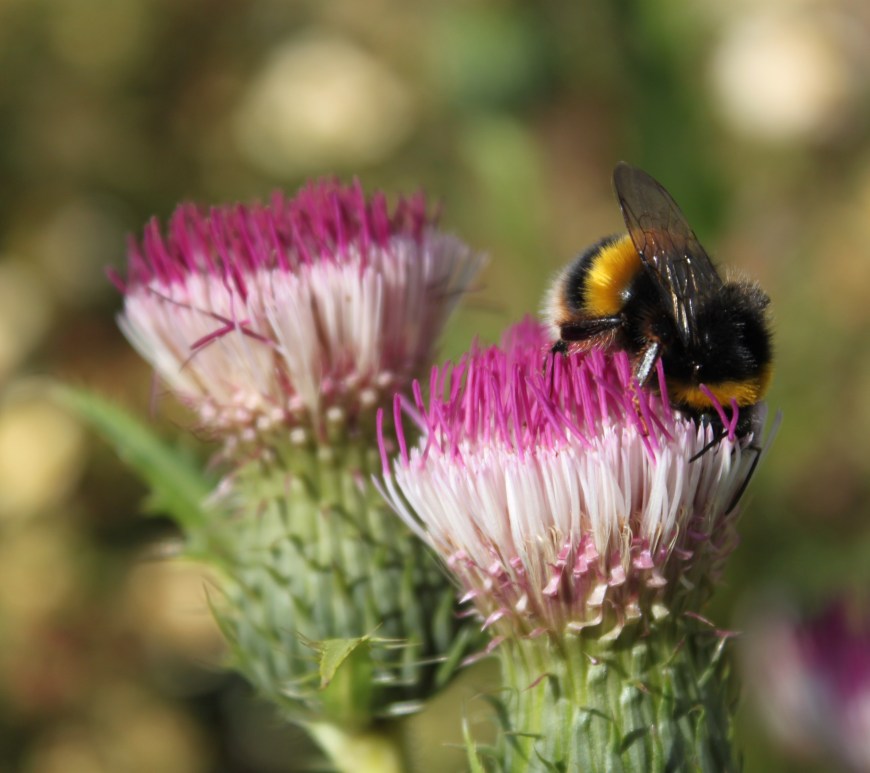
In their new study, Abigail Lowe and colleagues discuss why we need to know which pollinators use which plants in which seasons throughout the year, so that we can support them effectively. In the last few years, we have seen an immense increase in public support for pollinators with many choosing to buy pollinator-friendly plants for their garden. However, even with these good intentions, it’s … Continue reading Seasonal progression and differences in major floral resource use by bees and hoverflies in a diverse horticultural and agricultural landscape revealed by DNA metabarcoding

Large African herbivore diversity is essential in transformed landscapes for conserving dung beetle diversity

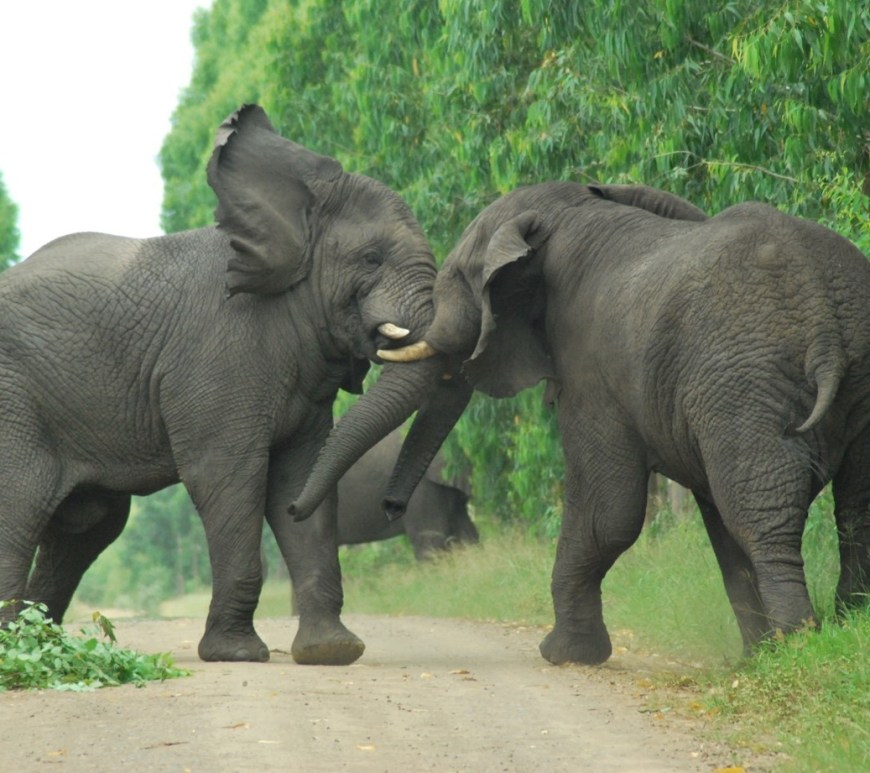
In their new study, Pryke, Roets and Samways discuss how a diverse range of large African herbivore species is essential for the conservation of dung beetles within transformed landscapes, and argue that the maintenance of functional diversity outside protected areas requires the inclusion of large mammals in conservation plans. Dung beetles need the dung of large mammals to feed and reproduce. In doing so, they … Continue reading Large African herbivore diversity is essential in transformed landscapes for conserving dung beetle diversity

Bird-friendly agriculture: finding the right balance to benefit birds and farmers

Promoting birds in agroecosystems is contentious. In their latest research, Olivia Smith and colleagues demonstrate how farmers can use landscape and farm diversification practices to harness ecosystem services from birds while reducing negative trade offs. Birds play many roles in human societies, including as consumers of crops and pests, carriers of pathogens and beloved icons. Consider, for example, the nearly globally distributed barn swallow. The … Continue reading Bird-friendly agriculture: finding the right balance to benefit birds and farmers

What limits bumblebee populations on farmland?

A new study by Timberlake and colleagues finds that late summer nectar supply on farmland has an important influence on bumblebee colony density the following year – does this offer an opportunity to devise more targeted agri-environment schemes for pollinators? Pollen and nectar are the primary food source for most adult pollinators, and in the case of bees, their larvae too. It is no surprise … Continue reading What limits bumblebee populations on farmland?

Cover stories: recovering beauty

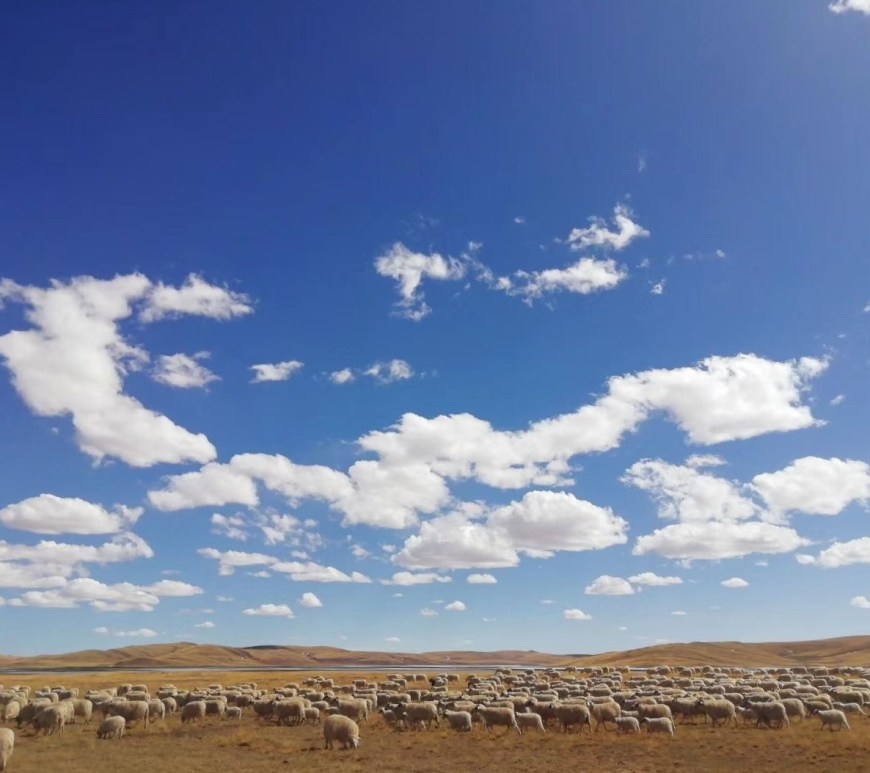
Our August cover image by Guiyao Zhou (East China Normal University) shows how livestock grazing activities potentially alter many ecosystem functions such as carbon sequestration. But these effects can be markedly regulated by the associated global change factors (e.g., warming, nitrogen addition and drought). Here Guiyao shares the story behind the cover image and the grassland ecosystem work it represents.  These photos were taken in Wayan mountain, a very beautiful alpine meadow … Continue reading Cover stories: recovering beauty

Tackling biodiversity conservation issues in Japan

This blog post is part of the blog series ‘Authors in Asia’, which complements the recent Virtual Issue in Journal of Applied Ecology. You can read other posts in this series here. In this post Associate Editor Akira S Mori discusses the research currently being undertaken in his laboratory to tackle environmental and ecological challenges and how this work can help to inform landscape management … Continue reading Tackling biodiversity conservation issues in Japan