Maja Bradarić: Forecasting nocturnal bird migration for dynamic aeroconservation

Shortlisted for the 2024 Southwood Prize Maja Bradarić details how, alongside colleagues, utilising radar data, weather and phenological variables allowed for the development of seasonal near-term forecasts of low-altitude nocturnal bird migration over the southern North Sea. About the research Overview Our research explores environmental drivers and spatiotemporal patterns of nocturnal bird migration over the North Sea to predict migration intensity for conservation frameworks. The … Continue reading Maja Bradarić: Forecasting nocturnal bird migration for dynamic aeroconservation

A safe passage: Protecting migratory birds in the North Sea

Maja Bradarić summarises how, alongside colleagues, they used 5 years of tracking bird radar data, weather and phenological variables to develop seasonal forecasts of bird migration over the southern North Sea. These forecasts of nocturnal bird migration may be used to define curtailment thresholds for offshore wind energy. In May 2023, turbines in two offshore wind farms in the Dutch North Sea came to a virtual … Continue reading A safe passage: Protecting migratory birds in the North Sea

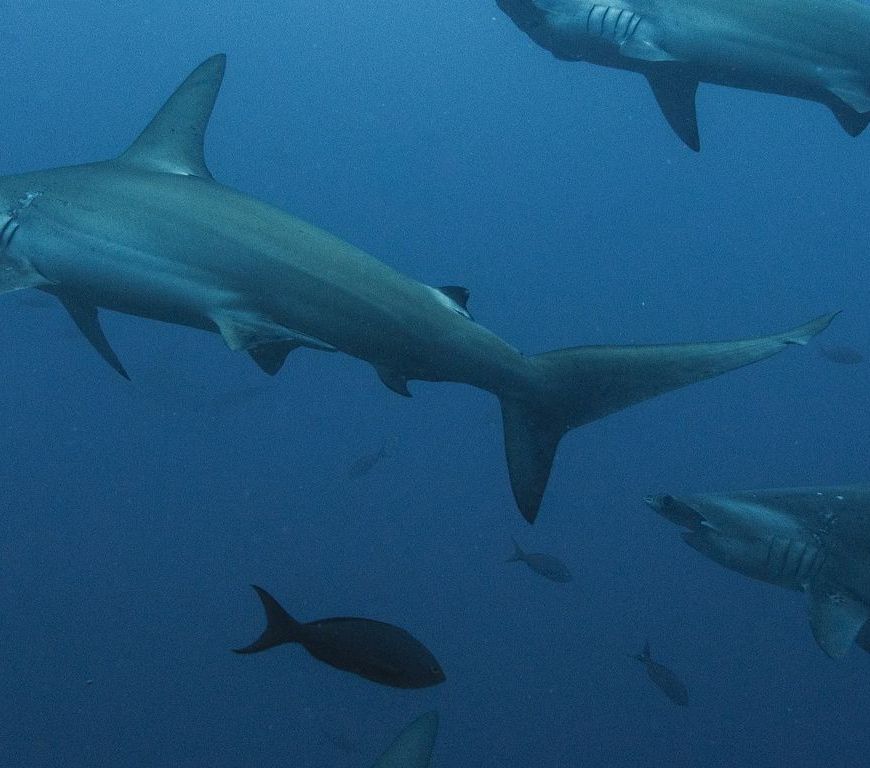
Lucien Besnard: Mercury isotope clocks predict coastal residency and migration timing of hammerhead sharks

Shortlisted for the 2023 Southwood Prize Lucien Besnard reflects on how he and colleagues used mercury isotopes, within the framework of isotopic clocks, to provide a more precise assessment of hammerhead shark movement. As a result, this method may be used as a complementary tool for stock management through predicting the timing of animal migration – a key aspect in the conservation of marine taxa. … Continue reading Lucien Besnard: Mercury isotope clocks predict coastal residency and migration timing of hammerhead sharks

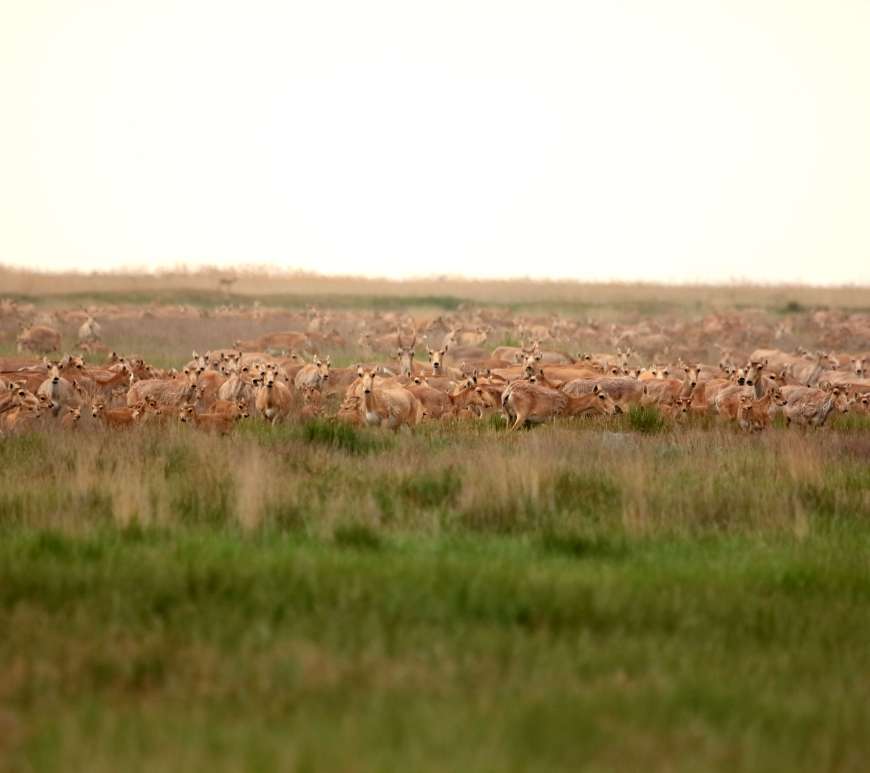
A framework to prioritize disease risk between wildlife and livestock

In their latest research, Khanyari and colleagues develop a three-step framework to assess cross-species disease transmission risk between migrating wildlife and livestock in data-limited circumstances and across social-ecological scale. Shared use of land between wildlife and livestock can lead to disease transmission, harming agricultural livelihoods and impacting wildlife conservation. This is especially problematic when endangered wildlife live in close proximity to largely resource poor people. … Continue reading A framework to prioritize disease risk between wildlife and livestock

Editor’s Choice 57:09 – Multi-species connectivity in a trans-frontier conservation landscape

As the September Editor’s Choice for Journal of Applied Ecology, research from Angela Brennan and colleagues moves away from a single-species approach and instead looks at movement corridors and connectivity on a large scale and across multiple species. Associate Editor, Kulbhushansingh Suryawanshi shares the important impact this could have on future conservation and development plans. Continue reading Editor’s Choice 57:09 – Multi-species connectivity in a trans-frontier conservation landscape

Showcasing developments in biologging and related methods in applied ecology

Following the recent Journal of Animal Ecology Special Feature on biologging, Associate Editor, Steph Januchowski-Hartley takes a look at how research in this and similar methods are affecting the field of applied ecology today. Advances in technology have allowed for small electronic loggers and transmitters to be developed not only for biomedical monitoring for humans (think of the tech we can use for monitoring hearts, … Continue reading Showcasing developments in biologging and related methods in applied ecology

Using tracking data to guide research and conservation efforts in long-distance migratory birds

Developments in tracking data are uncovering important conservation sites, the significance of which had previously been unknown. Associate Editor, Chi-Yeung explains more about the recently published work of Ying‐Chi Chan and colleagues. An increasing number of tracking studies on animals over the last few decades have revealed interesting behaviour and habits that are otherwise impossible to observe in the field. This is particularly the case … Continue reading Using tracking data to guide research and conservation efforts in long-distance migratory birds

Spotlight: management of wide-ranging species

In issue 56:8 we showcase the research, technology and mitigation efforts going into the management of wide-ranging species today. Join Associate Editor, Johan du Toit in exploring this selection of work, free to read in the journal for a limited time. The ability to range widely across our planet conveys a game-changing advantage to certain animals, as was realised by humans when they discovered that … Continue reading Spotlight: management of wide-ranging species

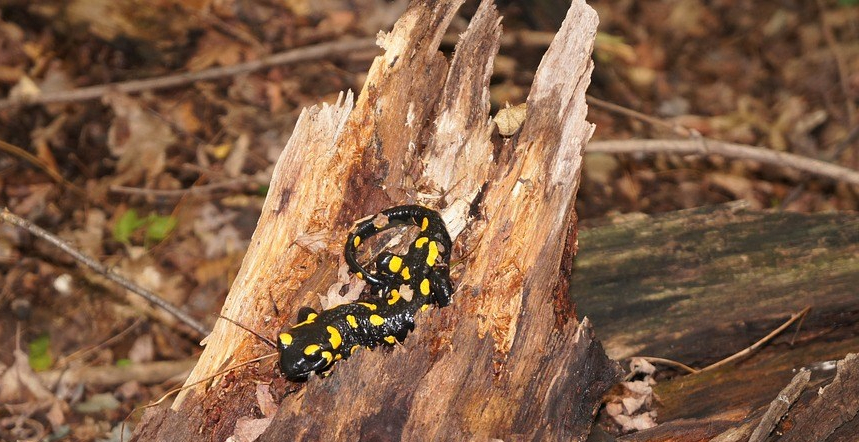
Volunteering time matters for improving amphibian conservation

Salamander bucket brigades represent grassroots volunteer efforts to reduce road mortality of amphibians. Simulations by Sean Sterrett and colleagues found that efforts to move outbound metamorphs are more influential than inbound adults. Find out more about their citizen science efforts. As the last signs of winter diminish; air temperatures rise, icy cover on ponds melts and spring rains begin to warm soils, amphibians emerge from forests … Continue reading Volunteering time matters for improving amphibian conservation

Mitigating conflicts between agriculture and migratory geese: is shooting a viable option or just passing on the problem?

Following the recent article, Shooting may aggravate rather than alleviate conflicts between migratory geese and agriculture, Silke Bauer explains why management plans for migratory goose populations need to be considered across a broader scale. A challenge with developing management plans for migratory populations is that these populations use several sites in their annual cycle. Therefore, local actions may not only affect how migratory animals behave … Continue reading Mitigating conflicts between agriculture and migratory geese: is shooting a viable option or just passing on the problem?