Don’t forget the little guys: improving monitoring efforts for African small carnivores

Small carnivores are ecologically important species and key indicators of environmental change. However, for many of these species, we lack robust information on their conservation status, geographic distribution, and tolerance to anthropogenic threats. In this post, researchers from Nelson Mandela University share their experience with an emerging camera trapping method aimed at improving monitoring efforts for African small carnivores. For a wide array of species, … Continue reading Don’t forget the little guys: improving monitoring efforts for African small carnivores

AI and population monitoring; does it really make a difference?

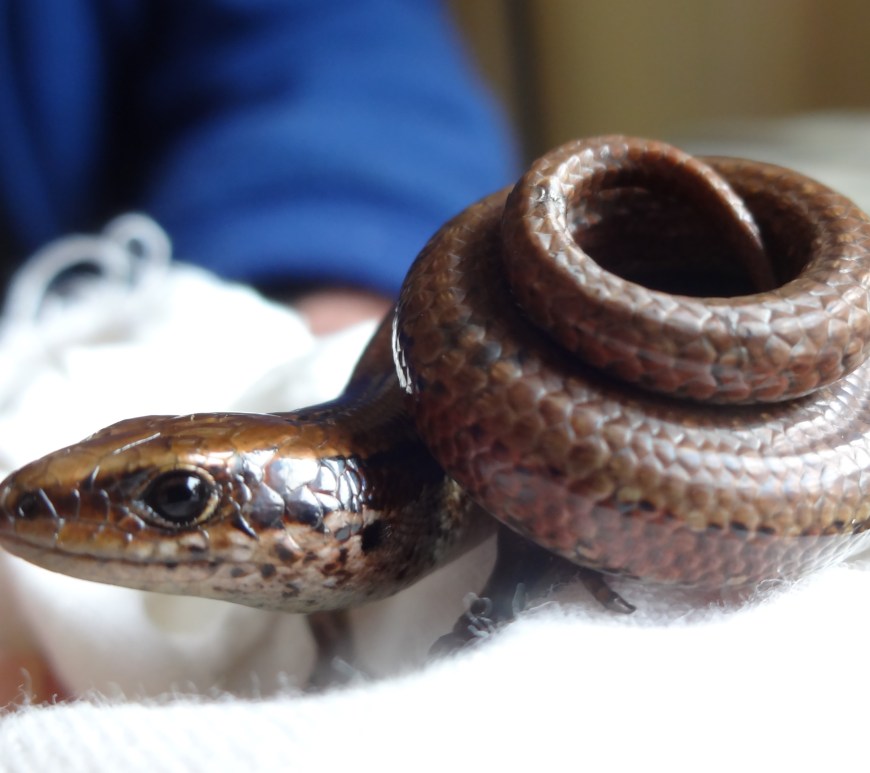
Emily A. Jordan discusses the use of AI in population monitoring and her team’s experience using it to assess the Kapitia skink. In population monitoring, using unique markings to identify individuals is a practical solution when species are challenging to tag. We can camera trap elusive snow leopards, drone-photograph whales, and happily snap our tiniest amphibians. Yet these photographic records bring a fresh challenge. Each … Continue reading AI and population monitoring; does it really make a difference?

Seals avoid an operating tidal turbine

Authors of a recently published study discuss how their research discovered that seals exhibit avoidance of turbines during operation. This finding is important for industry developers and regulators, as lower numbers of seals close to the turbine reduces the potential for fatal collisions and injuries. The rise of the tidal energy industry The marine renewable energy sector is growing rapidly. Offshore wind is well established, … Continue reading Seals avoid an operating tidal turbine

The story behind the research: “Combining detection dogs and camera traps improves cheetah monitoring”

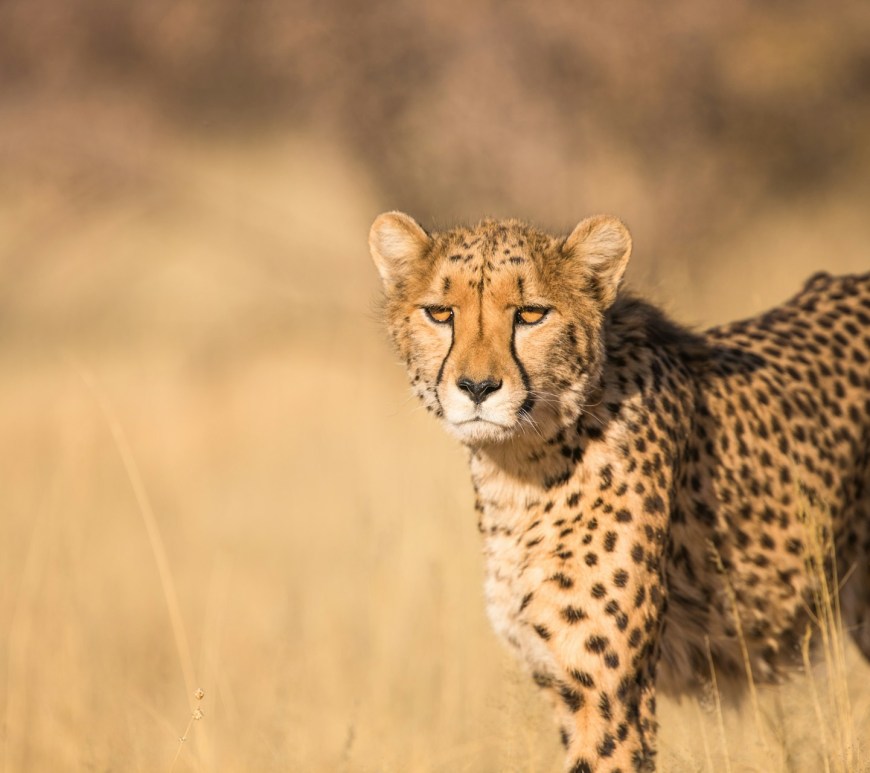
Tim Hofmann and Stijn Verschueren from the Cheetah Conservation Fund in Otjiwarongo, Namibia investigate how to effectively monitor cheetah populations. Cheetahs are Africa’s most endangered big cats, with fewer than 7,100 individuals left in the wild, scattered across less than 9% of their historical range. These estimates are largely based on expert opinions and few well-studied populations. In many parts of the cheetah’s range, we … Continue reading The story behind the research: “Combining detection dogs and camera traps improves cheetah monitoring”

Evaluating songbird vulnerability to offshore wind turbine mortality

Leon Green-Tkacenko and co-authors share insight into their recent study that explores how existing vulnerability indices for seabirds can be applied to migrating songbirds, and potentially other migrating birds, in evaluating vulnerability to offshore wind turbine morality. What is the problem? Climate change is the most pressing threat to biodiversity in the 21st century andaddressing this threat will require substantial changes to how we generate … Continue reading Evaluating songbird vulnerability to offshore wind turbine mortality

Tracking koalas – how airborne DNA can help us

In this blog post, Nicola Jackson shares the findings from their latest study looking at how sampling air particles to detect DNA can be useful in monitoring and conserving koalas. Perched high up in a Eucalyptus tree, swaying from side to side, lies a sleepy koala unaware of the means spent each year trying to obtain accurate baseline information about its presence. We have thrown … Continue reading Tracking koalas – how airborne DNA can help us

Ecological Associations of Lantana camara in an East African Savanna Park

Fredrick Ssali, Robert Baluku, Gilbert Drileyo and Moses Muhumuza recount their experience investigating the invasive flowering plant Lantana camara and its impact on common native species in western Uganda. Researchers at the Uganda Wildlife Research and Training Institute (UWRTI) teamed up with scientists from two Ugandan Universities and explored associations between Lantana camara and common native species in Queen Elizabeth National Park in western Uganda. … Continue reading Ecological Associations of Lantana camara in an East African Savanna Park

Combining local ecological knowledge with camera traps: African mammal life-history traits and their occurrence in anthropogenic landscapes

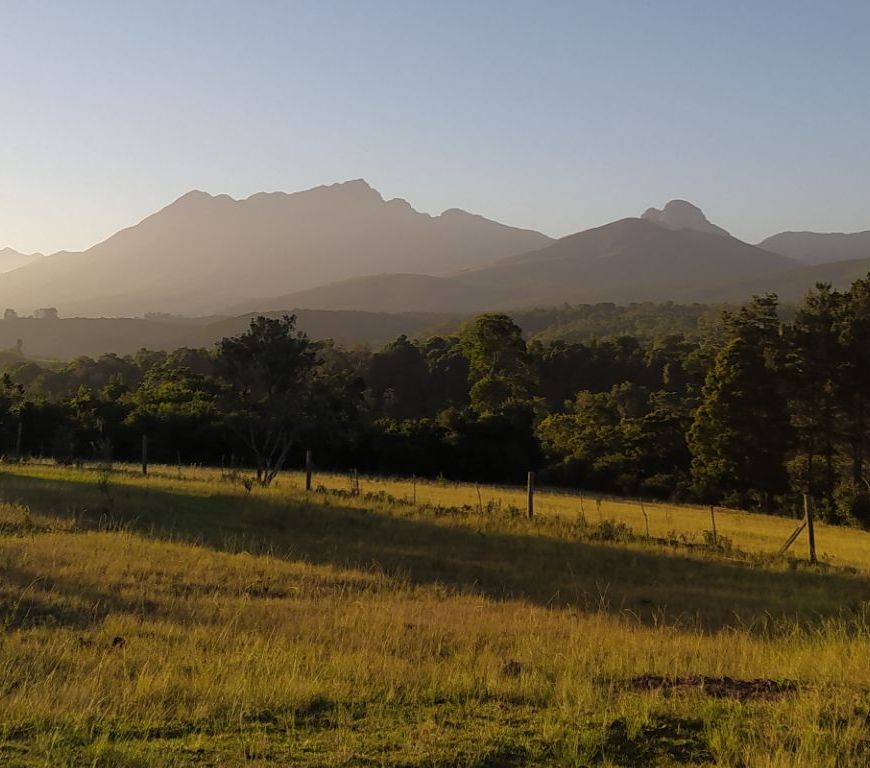
Alice Bernard and co-authors describe how they have jointly used local ecological knowledge and camera trap data. With hindsight, they discuss how involving local people in research projects can enhance conservation efforts in the Garden Route Biosphere Reserve (GRBR), South Africa. The Garden Route National Park (GRNP), in the eponym Biosphere Reserve, is one of the only truly unfenced National Parks in South Africa. The … Continue reading Combining local ecological knowledge with camera traps: African mammal life-history traits and their occurrence in anthropogenic landscapes

Wide-scale rangeland condition monitoring: Measurement of increased vegetation cover following stock removal and conservation management

Angus Retallack explains how, using remote sensing data over a 22-year observation period, vegetation recovery after the removal of livestock and the introduction of conservation-focused management can be assessed. Arid and semi-arid rangelands cover close to 50% of the Earth’s land surface and are relied upon by a diverse range of stakeholders including Indigenous people, pastoralists and environmental conservationists. Sustainable use and conservation of these … Continue reading Wide-scale rangeland condition monitoring: Measurement of increased vegetation cover following stock removal and conservation management

Long-term Monitoring: The key to unlocking effective Marine Protected Area Management?

Christopher Honeyman talks us through recently published work which compared three Marine Protected Area (MPA) monitoring techniques, along with colleagues. Interestingly, each technique was shown to survey distinct groundfish community assemblages with varying levels of species diversity and richness. Therefore, combining multiple techniques may better allow managers to create the most comprehensive, effective and inclusive MPA monitoring regimes. A global phenomenon In response to human-caused … Continue reading Long-term Monitoring: The key to unlocking effective Marine Protected Area Management?