Mixed forests and delicious seeds: How tree species change the relationship between rodents and seeds

In this blog post, Pedro Mittelman and Bernado Araújo discuss how forest composition can affect plant–animal interactions without necessarily altering animal communities or population densities. Forest mortality We are walking through a dead forest. It is not yet winter, but as we move amid still standing Norway spruce (Picea abies) trunks along the Harz mountains, we find no leaves attached to them. Here, approximately 20,000 … Continue reading Mixed forests and delicious seeds: How tree species change the relationship between rodents and seeds
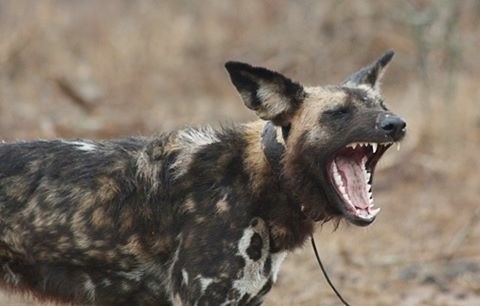
Humans drive spatial variation in mortality risk for a threatened wolf population in a Canis hybrid zone

John Benson shares recent research, conducted alongside colleagues, which monitored the movement of eastern wolves in Algonquin Provincial Park, Canada. Results suggest that eastern wolves and dispersing canids survive poorly outside of APP, primarily due to human-caused mortality. Thus, expanding the threatened population outside of APP is unlikely under current management conditions. The challenge of human-caused mortality for threatened, hybridizing wolves in Canada When large … Continue reading Humans drive spatial variation in mortality risk for a threatened wolf population in a Canis hybrid zone

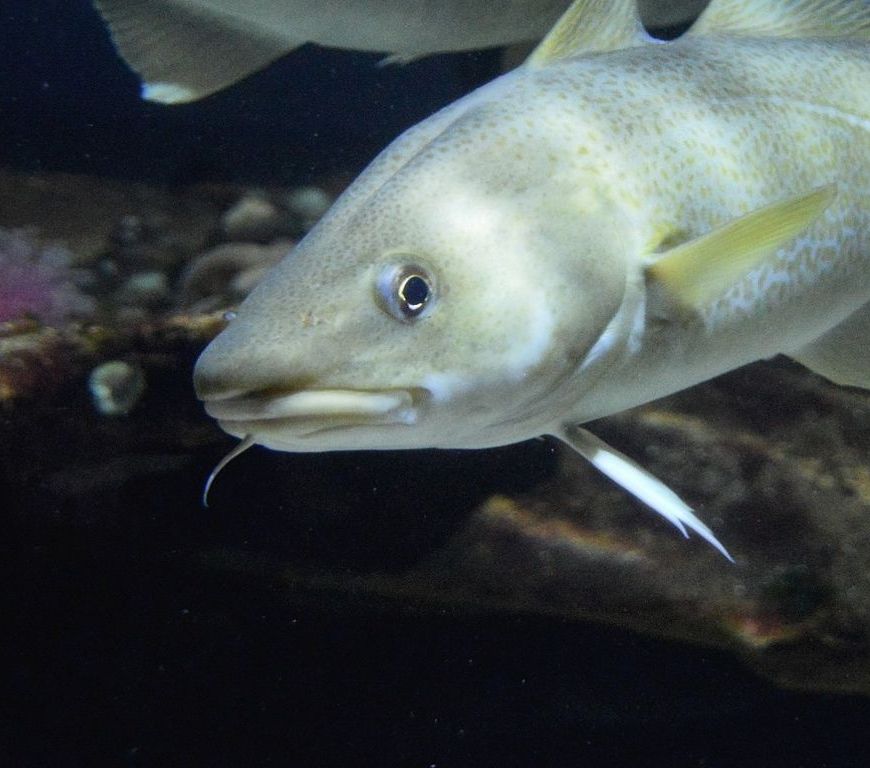
Editor’s Choice 60:10 Can management measures be used to reduce the impact of extreme events in the early life of fish?

Author Lucie Buttay summarises Journal of Applied Ecology’s October’s Editor’s Choice research article. Conducted with colleagues, this study used a life cycle model to simulate ‘what if’ scenarios around Northeast Arctic cod eggs and larvae. Extreme climatic events, (e.g. heat waves and storms) are becoming more frequent and intense, and on top of that, the ever-growing development of human activities at sea, entails an increasing … Continue reading Editor’s Choice 60:10 Can management measures be used to reduce the impact of extreme events in the early life of fish?

GPS and satellite tags as surveillance devices to detect animal deaths – including the illegal killing of protected species

Fabrizio Sergio explains how the development of biologging tools can help protect some of our most vulnerable species.  Detecting animal casualties is often a major goal for wildlife biologists and managers. Conservationists may need to know which mortality agents are driving the decline of an endangered species, while game managers may want to estimate mortality causes as precisely as possible in order to plan sustainable … Continue reading GPS and satellite tags as surveillance devices to detect animal deaths – including the illegal killing of protected species