Research and Elimination of Archipelago Racoon Dogs

Mikko Toivola and co-authors share a summary about their latest study which focuses on the movements of an invasive mesopredator within the Archipelago areas of Finland. The raccoon dog has been known to occur in the archipelago areas of Finland for a long time. However, the role of the species as part of the archipelago ecosystem is largely unknown. How many individuals live in a … Continue reading Research and Elimination of Archipelago Racoon Dogs

Revealing the hidden lives of non-breeding Black-tailed Godwits

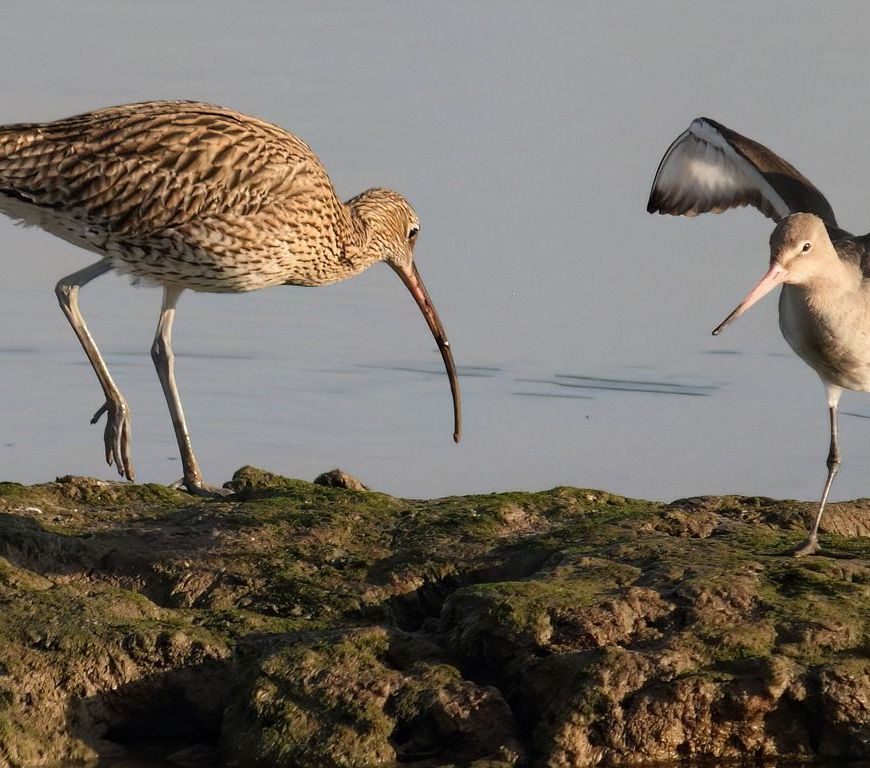
In this blog post, Taylor Craft discusses the use of GPS tracking and satellite imagery to uncover the lives of Black-tailed Godwits in the Senegal Delta. You can read their latest study, published alongside co-authors, here. A pressing challenge The landscapes of the endangered continental Black-tailed Godwit face increasing pressures at nearly every key site along their migratory route. With poor recruitment limiting population growth, … Continue reading Revealing the hidden lives of non-breeding Black-tailed Godwits

Gulls as evil and allies to detect antibiotic resistance in agricultural environments

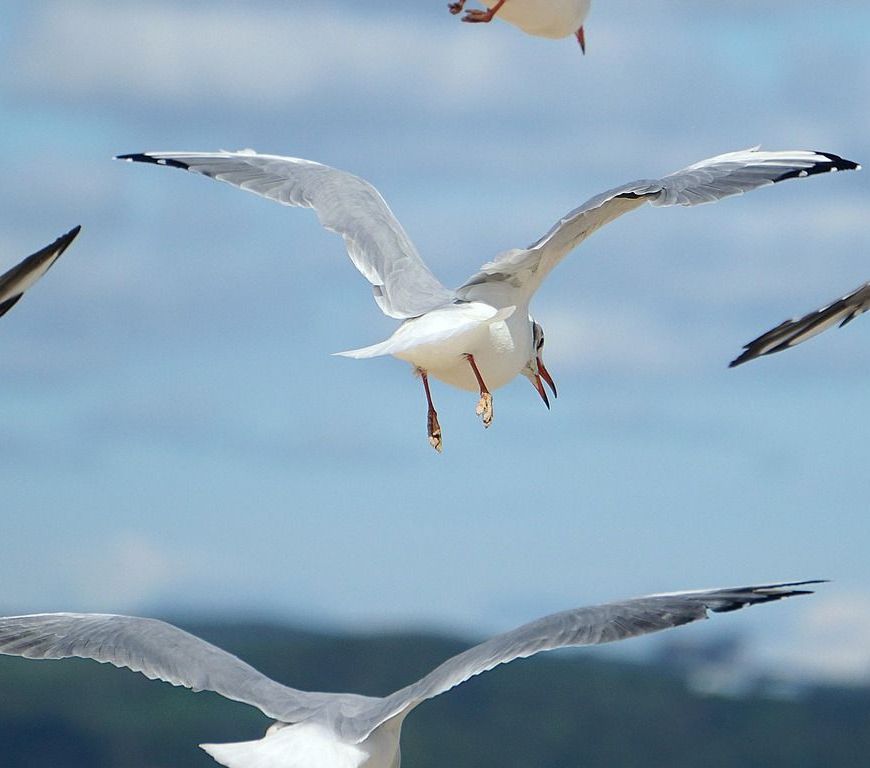
Víctor Martín and Joan Navarro talk us through how gulls tagged with GPS and tested for pathogens can be used as tools to detect early pathogen circulation and pollution sources in the environment. This is explored further in their new research article. Antimicrobial resistance is a global health challenge, exacerbated by the overuse of antibiotics in both human and veterinary medicine. The emergence and spread of … Continue reading Gulls as evil and allies to detect antibiotic resistance in agricultural environments

A safe passage: Protecting migratory birds in the North Sea

Maja Bradarić summarises how, alongside colleagues, they used 5 years of tracking bird radar data, weather and phenological variables to develop seasonal forecasts of bird migration over the southern North Sea. These forecasts of nocturnal bird migration may be used to define curtailment thresholds for offshore wind energy. In May 2023, turbines in two offshore wind farms in the Dutch North Sea came to a virtual … Continue reading A safe passage: Protecting migratory birds in the North Sea

A predictive model for improving placement of wind turbines to minimise collision risk potential for a large soaring raptor

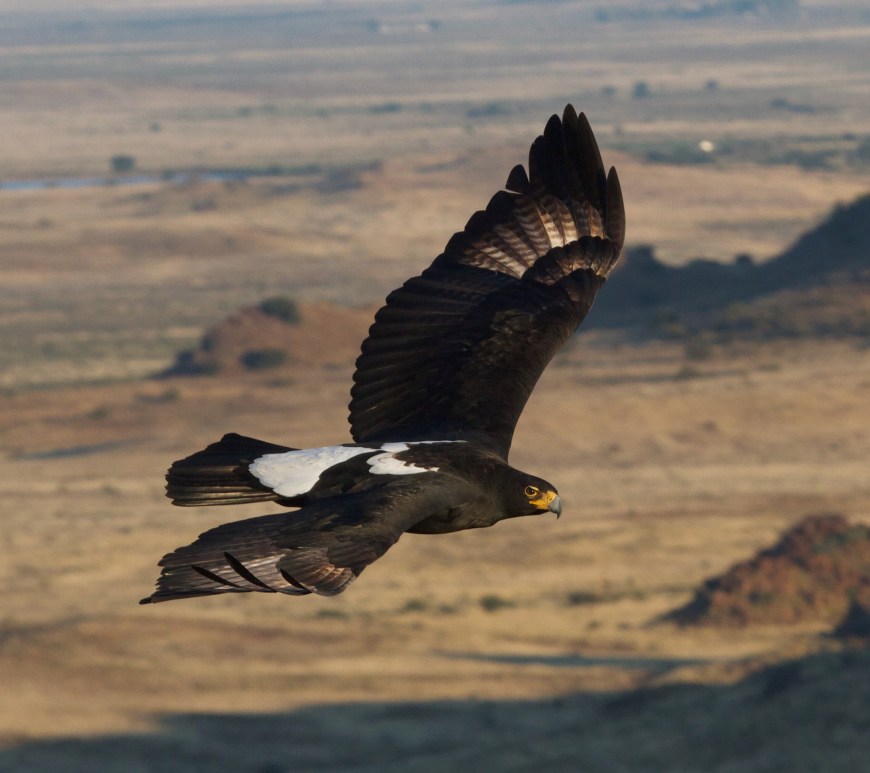
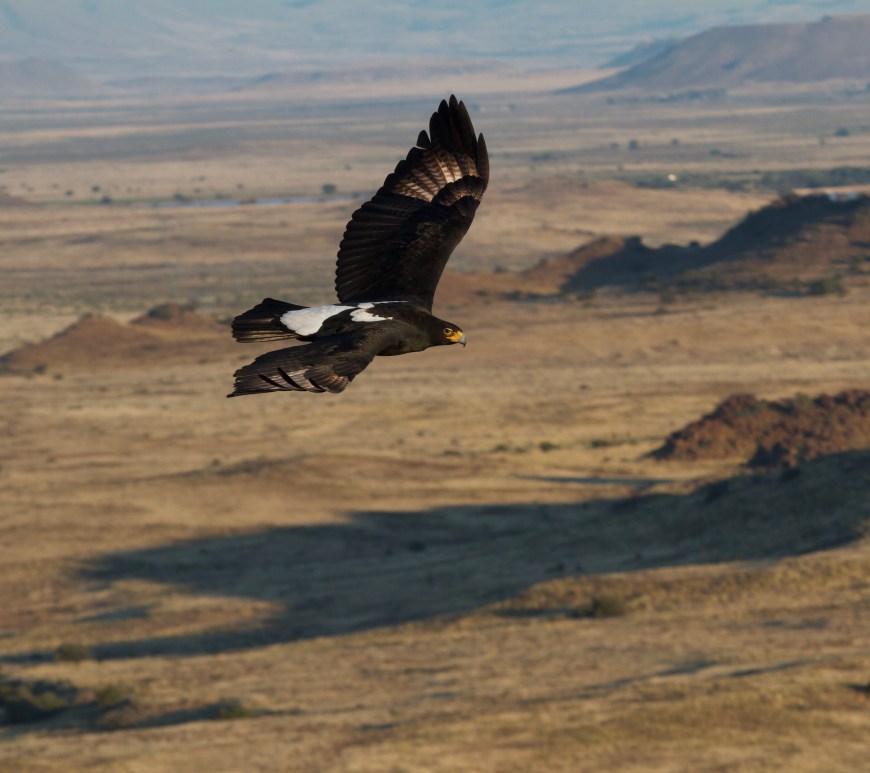
Each year, Journal of Applied Ecology awards the Southwood Prize to the best paper in the journal by an author at the start of their career. In this post, Megan Murgatroyd (HawkWatch International/FitzPatrick Institute of African Ornithology at the University of Cape Town) discusses her shortlisted paper which used GPS tracking data together with a digital elevation model to classify the spatial likelihood of wind turbine collisions for adult … Continue reading A predictive model for improving placement of wind turbines to minimise collision risk potential for a large soaring raptor

Mountain lions in LA moved more efficiently during the COVID-19 pandemic

The COVID-19 pandemic and the subsequent shutdowns in many regions around the world offered a new “human-less” environment for urban wildlife in 2020. In their latest research, Benson et al. share their findings from tracking mountain lion movements in greater Los Angeles, USA during spring 2020. Early on during the global pandemic, ecologists quickly realised that changes in human behaviour and activity brought on by … Continue reading Mountain lions in LA moved more efficiently during the COVID-19 pandemic

Use of avian GPS tracking to mitigate human fatalities from bird strikes.

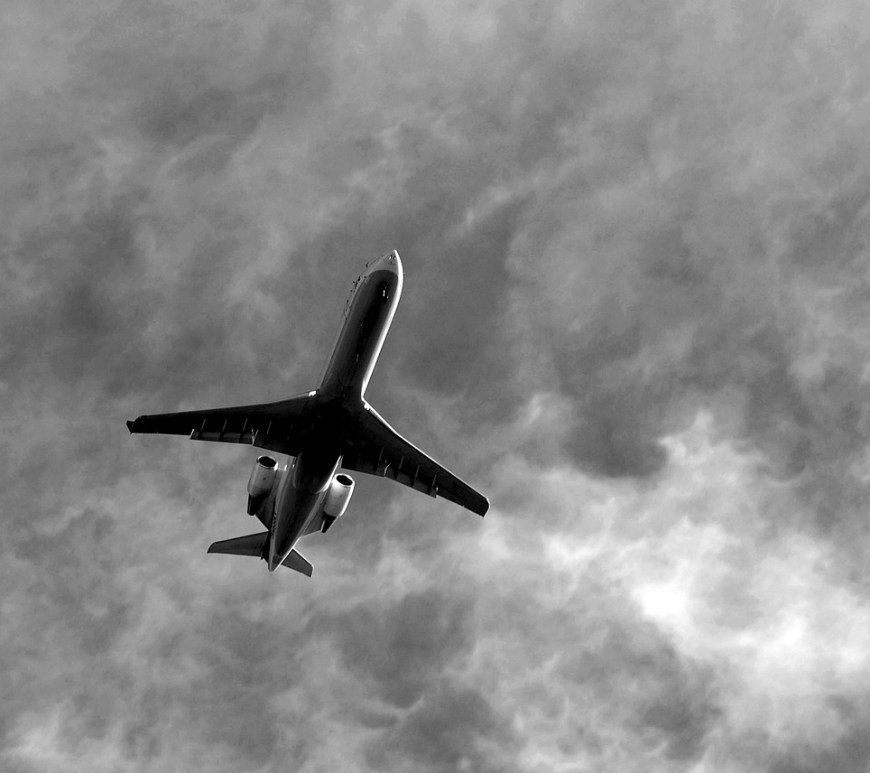
Air traffic has increased significantly in recent years, from 1.674 billion passengers in 2000 to 4.397 billion passengers in 2019.  However, this growth has come at a cost. In their latest research, Arrondo et al. review and quantify the characteristics of bird strikes in Spain, and analyse flight patterns of the species that caused aircraft crashes in Europe. Bird strikes have been a feature of … Continue reading Use of avian GPS tracking to mitigate human fatalities from bird strikes.

Do roads pose a significant barrier to bee movement?

Did the bee cross the road? If not, why not – and what does this mean for the flowers on the other side? In their latest research, Fitch & Vaidya investigate the influence of roads on pollinator movement and pollination by examining patterns of pigment transfer between focal plants of two species. We know that large highways kill billions of insects each year, but whether roads … Continue reading Do roads pose a significant barrier to bee movement?

Predictive modeling of raptor movement can minimise the impact of wind energy developments

Energy generation is shifting towards renewable sources, but how do these developments impact our environment? In their latest research, Megan Murgatroyd and colleagues develop a predictive model to guide where best to locate wind turbines to minimize collision risk for a large soaring raptor. The sight of a wind farm is no longer strange to us. For some they might be seen as gentle giants, … Continue reading Predictive modeling of raptor movement can minimise the impact of wind energy developments

Editor’s Choice 57:09 – Multi-species connectivity in a trans-frontier conservation landscape

As the September Editor’s Choice for Journal of Applied Ecology, research from Angela Brennan and colleagues moves away from a single-species approach and instead looks at movement corridors and connectivity on a large scale and across multiple species. Associate Editor, Kulbhushansingh Suryawanshi shares the important impact this could have on future conservation and development plans. Continue reading Editor’s Choice 57:09 – Multi-species connectivity in a trans-frontier conservation landscape