Research and Elimination of Archipelago Racoon Dogs

Mikko Toivola and co-authors share a summary about their latest study which focuses on the movements of an invasive mesopredator within the Archipelago areas of Finland. The raccoon dog has been known to occur in the archipelago areas of Finland for a long time. However, the role of the species as part of the archipelago ecosystem is largely unknown. How many individuals live in a … Continue reading Research and Elimination of Archipelago Racoon Dogs

Mixed forests and delicious seeds: How tree species change the relationship between rodents and seeds

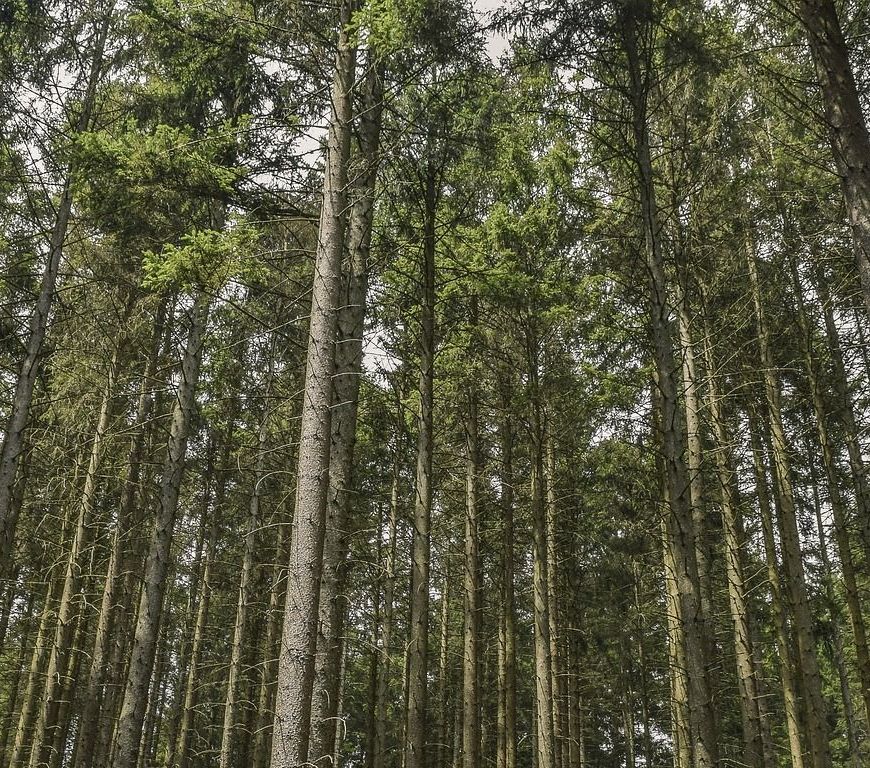
In this blog post, Pedro Mittelman and Bernado Araújo discuss how forest composition can affect plant–animal interactions without necessarily altering animal communities or population densities. Forest mortality We are walking through a dead forest. It is not yet winter, but as we move amid still standing Norway spruce (Picea abies) trunks along the Harz mountains, we find no leaves attached to them. Here, approximately 20,000 … Continue reading Mixed forests and delicious seeds: How tree species change the relationship between rodents and seeds

Georgina Mace Prize 2022: Winner announced for early career researcher award

We’re excited to announce Luke Potgieter as the winner of the 2022 Georgina Mace Prize, celebrating the best article in the journal by an author at the start of their career. Winner: Luke Potgieter Research: Prioritizing sites for terrestrial invasive alien plant management in urban ecosystems About the research Rapid urbanization is placing increased pressure on natural, restored and designed ecosystems to provide services to … Continue reading Georgina Mace Prize 2022: Winner announced for early career researcher award

Luke Potgieter: Prioritizing sites to manage invasive aliens in urban ecosystems

Shortlisted for the Georgina Mace Prize 2022 In their latest research article, Luke Potgieter and colleagues developed a strategic, spatial prioritization approach for identifying sites most vulnerable to new or expanding terrestrial non-native plant invasions in urban landscapes. Cities have historically been under-studied in ecology and have not seen sufficient development of conservation and biodiversity management policy. This dearth of urban-focused applied ecology and conservation … Continue reading Luke Potgieter: Prioritizing sites to manage invasive aliens in urban ecosystems

Editor’s Choice 57:10 – Testing the relative effects of biocontrol and herbicide: finding an evidence-based management decision to control invasive plants

Journal of Applied Ecology’s October Editor’s Choice compares biocontrol and herbicide as approaches to invasive species management. Associate Editor, Rafael D. Zenni introduces the selected article by Paul G. Peterson and colleagues, which explores ‘efficacy, non-target effects and secondary invasion’. This post is also available in Portuguese here. In most ecosystems, controlling invasive alien plants is necessary in order to reduce and mitigate the negative … Continue reading Editor’s Choice 57:10 – Testing the relative effects of biocontrol and herbicide: finding an evidence-based management decision to control invasive plants

Testagem dos efeitos relativos de controle biológico e herbicida no controle de plantas exóticas invasoras para tomada de decisão baseada em evidências

This Editor’s Choice summary by Rafael D. Zenni is also available in English here. O controle de plantas exóticas invasoras é uma necessidade na maioria dos ecossistemas do planeta para reduzir e mitigar os impactos negativos causados ​​por invasões biológicas a biodiversidade nativa e aos serviços ecossistêmicos. No entanto, existem vários métodos de controle e escolher a solução mais eficaz, menos prejudicial e mais permanente … Continue reading Testagem dos efeitos relativos de controle biológico e herbicida no controle de plantas exóticas invasoras para tomada de decisão baseada em evidências

Cover stories: escapes from aquaculture

Using the example of sturgeons in the Yangtze River and impacts on the critically endangered Chinese sturgeon, work by Rui-Ting Ju et al. looks into policies around escaping non-native species from aquaculture. The corresponding cover image for issue 57:01 was taken by Ping Zhuang. Sturgeon farming is expanding worldwide due to the overexploitation of wild stocks. In China, the main farmed species are non-native species … Continue reading Cover stories: escapes from aquaculture

Identifying lurking garden invaders promoted by climate change

In our changing climates, some introduced ornamental plant species could establish themselves and become invasive. Emily Haeuser and colleagues present a new model for helping assess naturalization risk in their article, European ornamental garden flora as an invasion debt under climate change. Invasive species can cause significant ecological and economic damage worldwide. They can disrupt ecosystem services, and put threatened and endangered species at risk … Continue reading Identifying lurking garden invaders promoted by climate change

Research, management and local knowledge: an innovative approach to invasive species control

Executive Editor, Marc Cadotte shares his thoughts on Jennifer Firn and colleagues’ new article, Integrating local knowledge and research to refine the management of an invasive non-native grass in critically endangered grassy woodlands and why utilising local knowledge is vital if we’re to provide successful solutions to environmental issues.  While many hurdles hamper the successful application of ecological concepts and theories to developing solutions to environmental … Continue reading Research, management and local knowledge: an innovative approach to invasive species control

Invasive wild pigs making themselves at home throughout the USA

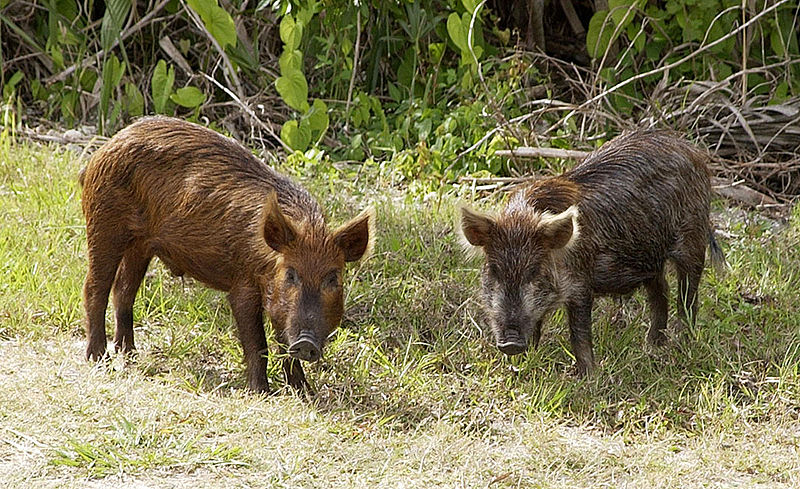
In this post Nathan Snow discusses his recent paper ‘Interpreting and predicting the spread of invasive wild pigs‘ The eruption of invasive wild pigs Sus scrofa throughout the world exemplifies the need to understand the influences of exotic and non-native species expansions. In particular, the continental USA is precariously threatened by a rapid expansion of these wild pigs, and a better understanding of the rate … Continue reading Invasive wild pigs making themselves at home throughout the USA