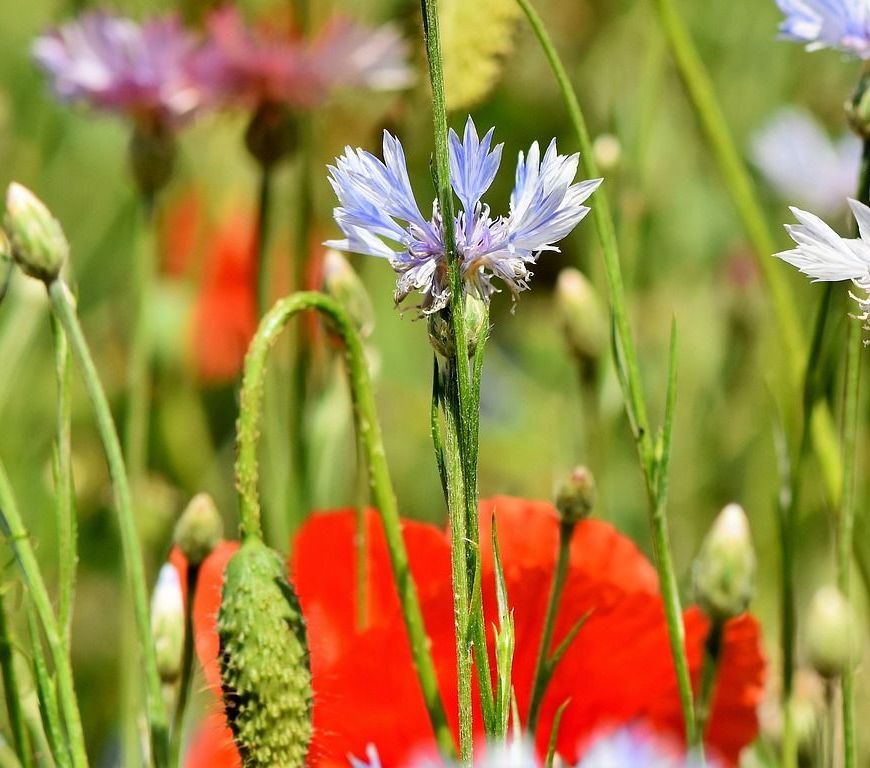
Close to the edge: Spatial variation in plant diversity, biomass and floral resources in conventional and agri-environment cereal fields

Laura Sutcliffe discusses her latest study where, alongside colleagues, she investigated the spatial distribution of vascular plant species richness and their contribution to the food web via biomass and flower units in conventional and agri-environment cereal fields. The study: Arable plants Arable plants are usually simply referred to as weeds, reflecting their low status in society and also in biodiversity research. Whilst there is a … Continue reading Close to the edge: Spatial variation in plant diversity, biomass and floral resources in conventional and agri-environment cereal fields

Controlling an invasive shrub across the year with basal bark herbicide treatment

Nick Barber and colleagues share a new invasive plant management technique to better control invasive species and improve biodiversity. Controlling invasive plants can be a never-ending battle for land managers, and this work is costly — not just in materials like expensive herbicide, but costly in time as well. This is especially the case when invasive control efforts overlap with other management responsibilities. Managers have … Continue reading Controlling an invasive shrub across the year with basal bark herbicide treatment

Can ecological restoration enhance the genetic diversity of plant species on a global scale?

Xinzeng Wei talks us through their recent meta-analysis, conducted with several colleagues, which found that ecological restoration does not significantly improve the genetic diversity of plant species as compared to reference or degraded populations. Wei et al instead suggest that using passive restoration, seeding, and mixed sources could significantly increase the genetic diversity of restored populations. The problem Human disturbance has led to several negative consequences … Continue reading Can ecological restoration enhance the genetic diversity of plant species on a global scale?

The context dependencies of how spillover from remnant grasslands enhances plant diversity in restorations

New research from Sperry et al. provides insights into prairie restoration practice. Associate Editor, Lars Brudvig explains more. Grasslands, including North American prairies, are widely restored through seed sowing onto abandoned agricultural lands. This approach to restoration holds great promise for promoting grassland biodiversity, yet restored prairies typically harbor fewer plant species than remnants without a history of agriculture, and plant diversity tends to decline … Continue reading The context dependencies of how spillover from remnant grasslands enhances plant diversity in restorations

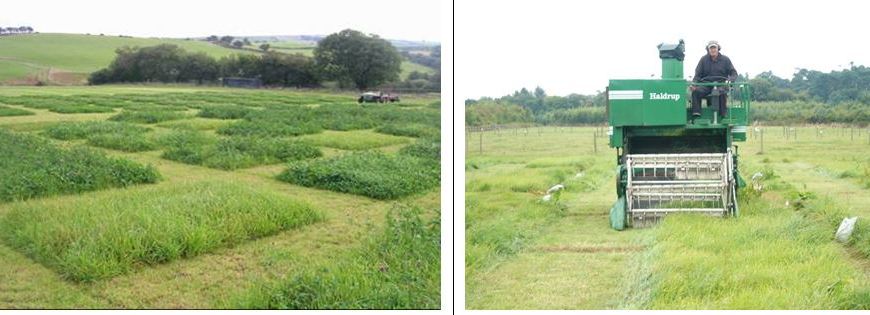
Diversity robustly suppresses weeds in intensive grassland systems – with multiple translations

John Connolly and team comment on their recent article, Weed suppression greatly increased by plant diversity in intensively managed grasslands: a continental-scale experiment. As well as this English summary, the team have provided a number of translations. Read the text in German, Dutch, Spanish, French, Icelandic, Italian, Lithuanian, Norwegian, Catalan or Polish here . How can we get more from less use of natural resources in … Continue reading Diversity robustly suppresses weeds in intensive grassland systems – with multiple translations