The potential of second-growth forests for bird diversity in a small holder landscape

Mareike Kortmann and co-authors share a summary about their latest study which focusses on the ability of sample coverage to impact diversity measures of bird communities in tropical lowland forests. Tropical old-growth forests are disappearing at an alarming rate, leading to concerning biodiversity loss. But amidst this global decline, some forest areas are also recovering. Second-growth forests—those that regenerate after agricultural use—may offer valuable contributions … Continue reading The potential of second-growth forests for bird diversity in a small holder landscape

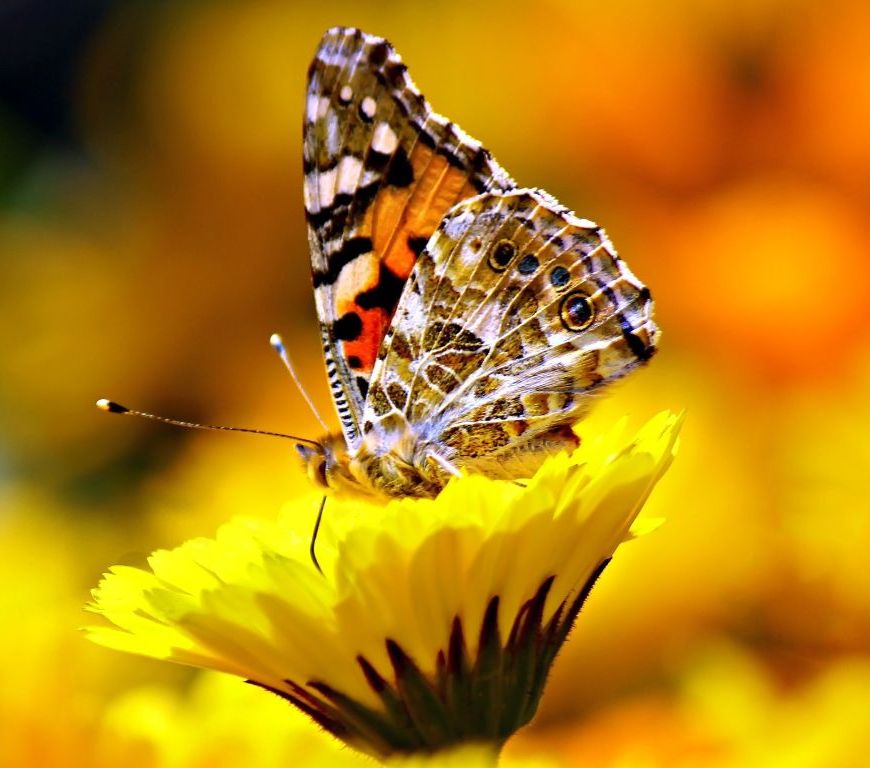
Umo  kumala kwankholongo kukhwaskira mabutterfly muvigawa vya mu AFrica – Kasi walimi wachokowachoko wangaovwira kuwezgera, kupwerelera mabutterfly

Cassandra Vogel na Vera Mayer, wafumiska kafuku-fuku wawo mwasonosono wakulongola kuchepa kwa malo yakukhalamo wabulawula mu Malawi. Wakughanaghana vyakusambizga walimi wachoko-wachoko kuti wasazgileko kulima mbewu za mitundu yinandi izo zikufumiska maluwa.Kweniso kuwoneskeska kuti wachitenge,panyakhe walimenge nthowa izo zikuwezgelengemo nyata mudongo. Continue reading Umo  kumala kwankholongo kukhwaskira mabutterfly muvigawa vya mu AFrica – Kasi walimi wachokowachoko wangaovwira kuwezgera, kupwerelera mabutterfly

Woodland loss impacts butterfly communities in Africa – can smallholder farmers help conserve them?

Cassandra Vogel and Vera Mayer present their latest research into the effects of habitat loss on butterflies in Malawi, suggesting that encouraging smallholders to increase the diversity of flowering crops and implement sustainable soil practices is needed. Continue reading Woodland loss impacts butterfly communities in Africa – can smallholder farmers help conserve them?

Flower strips, organic management or small-scale farming: which benefits pollinator abundance, richness and reproduction most?

Exploring local and landscape management actions, Costanza Geppert and colleagues recognise the value of flower strips but also point to the importance of organic agriculture when it comes to maintaining pollinator richness. Their new insights were recently published in Journal of Applied Ecology. In recent years, the ‘insect Armageddon’ has received growing attention in Europe. The main driver of this insect decline is agricultural intensification, … Continue reading Flower strips, organic management or small-scale farming: which benefits pollinator abundance, richness and reproduction most?