Expansion of hydropower plants drives the risk of extinction of an imperiled and endemic freshwater turtle

André Luis Regolin talks us through the latest research from themselves and colleagues on conserving the rare Williams’ side-necked turtle. The study uses a new methodological approach to evaluate how current and future scenarios of hydroelectric generation affect the species’ distribution. The problem The Williams’ side-necked turtle (Phrynops williamsi) was only described to science in 1983 and since then little attention and research efforts have … Continue reading Expansion of hydropower plants drives the risk of extinction of an imperiled and endemic freshwater turtle

The bear necessities of grizzly bear population recovery in Alberta, Canada

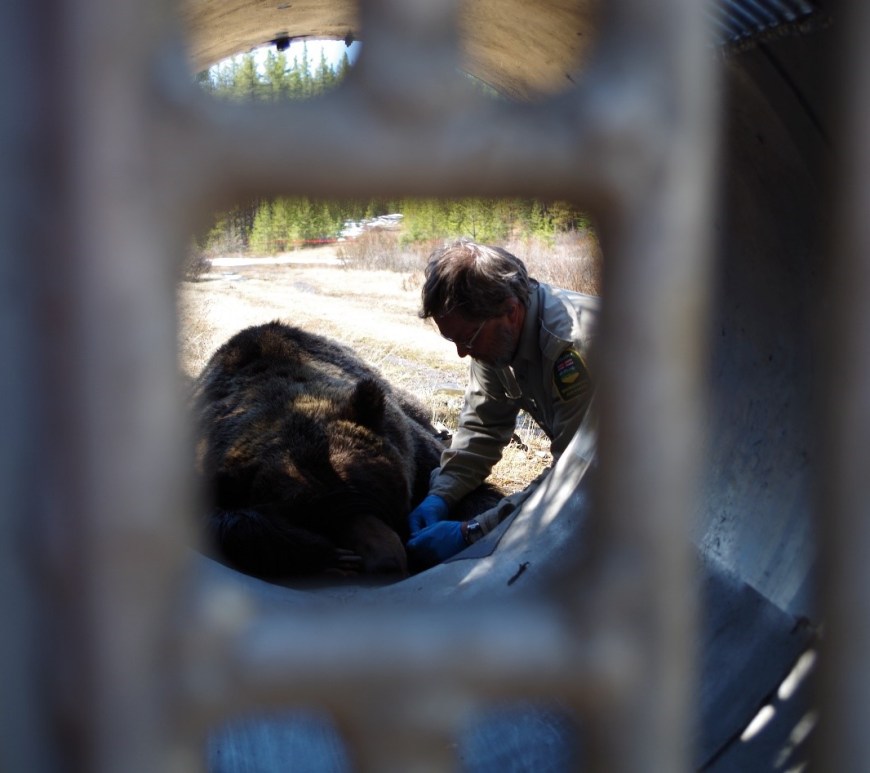
In our latest Practitioner’s Perspective, Towards grizzly bear population recovery in a modern landscape, Sean Coogan explains how new, multi-disciplinary approaches are being used to protect Canada’s threatened grizzly bears. The management and conservation of large carnivores can be socially controversial and politically charged. To make matters more complicated, the data required to make effective scientifically-informed management decisions may be lacking, or extremely difficult to … Continue reading The bear necessities of grizzly bear population recovery in Alberta, Canada

Wind farms affect small birds too

Julia Gómez-Catasús explains the need for a 4.5km threshold between wind farms and small-sized birds, based on the recently published article, Wind farms affect the occurrence, abundance and population trends of small passerine birds: The case of the Dupont’s lark. Wind energy has experienced significant developments in recent decades, with China, United States, Germany, India and Spain being the main wind energy producers in the world. … Continue reading Wind farms affect small birds too