Amidst the resplendence of Munnar’s sky islands

Madhumay Mallik from the Wildlife Trust of India recounts their experience researching grass frogs, and details what is being done to ensure that these and other frog species continue to thrive despite increasing challenges. Far away on the mountain peak were cotton clouds in restless sleep, tossing and turning. Before me, a lush pasture of smooth grass and wild flowers, blanketing a steep terrain and … Continue reading Amidst the resplendence of Munnar’s sky islands

Project to restore and expand Scotland’s ancient forests provides a boost to moth biodiversity

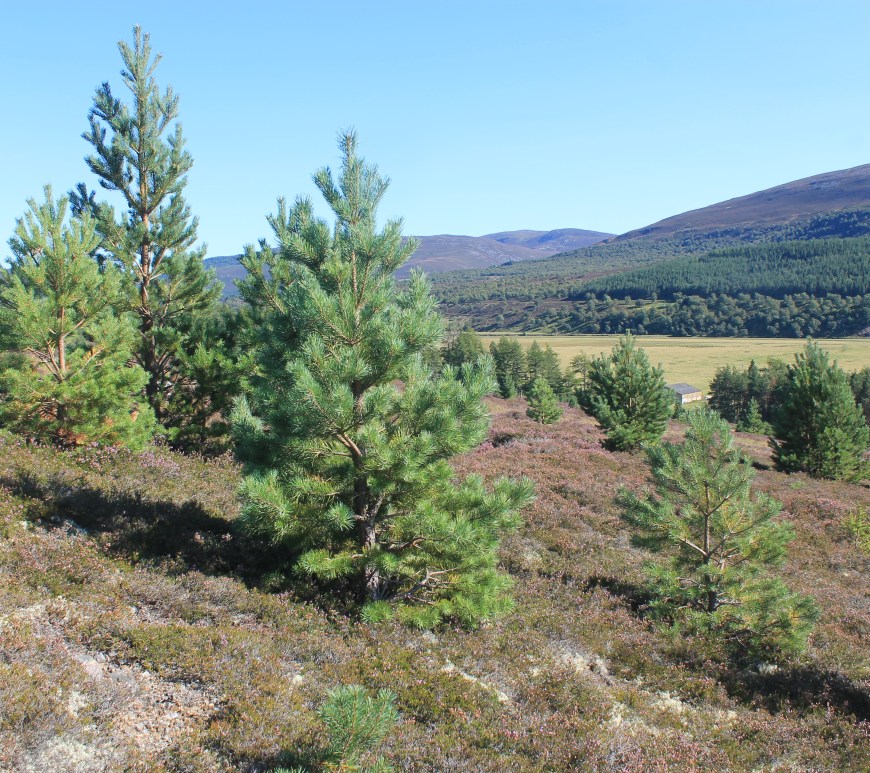
Patrick Cook and his team share their experience investigating how moths respond to a landscape-scale woodland expansion project at Mar Lodge Estate in the Scottish Highlands. Background Upland landscapes in Scotland have a low cover of native woodland yet provides an excellent opportunity to expand woodland cover for biodiversity. For instance, native pinewood now covers less than 18,000 hectares in 84 small areas and an … Continue reading Project to restore and expand Scotland’s ancient forests provides a boost to moth biodiversity

Don’t forget the little guys: improving monitoring efforts for African small carnivores

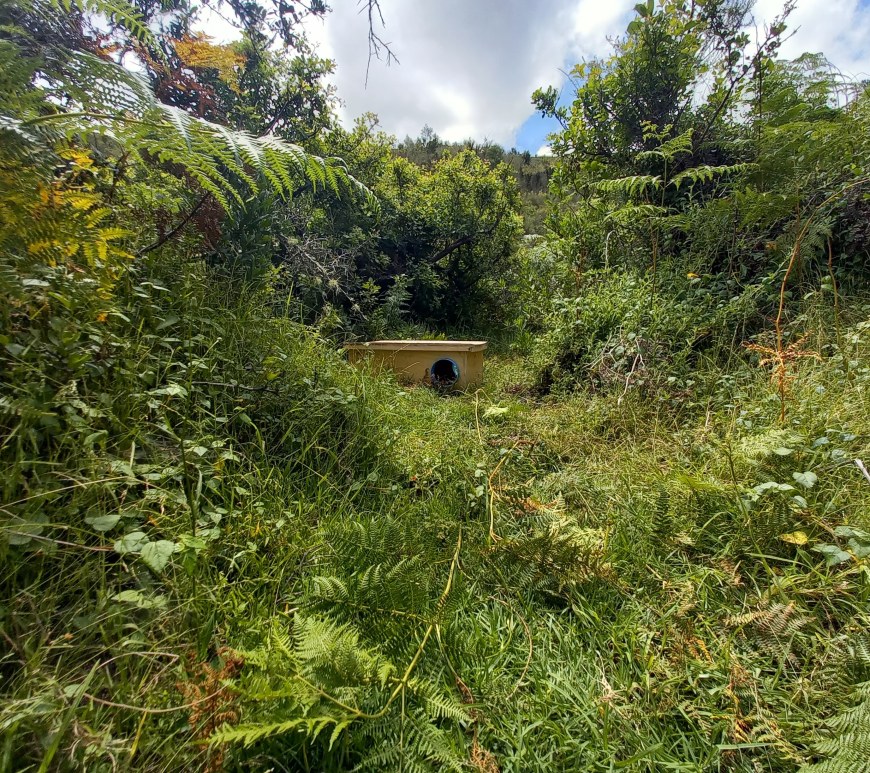
Small carnivores are ecologically important species and key indicators of environmental change. However, for many of these species, we lack robust information on their conservation status, geographic distribution, and tolerance to anthropogenic threats. In this post, researchers from Nelson Mandela University share their experience with an emerging camera trapping method aimed at improving monitoring efforts for African small carnivores. For a wide array of species, … Continue reading Don’t forget the little guys: improving monitoring efforts for African small carnivores

Research and Elimination of Archipelago Racoon Dogs

Mikko Toivola and co-authors share a summary about their latest study which focuses on the movements of an invasive mesopredator within the Archipelago areas of Finland. The raccoon dog has been known to occur in the archipelago areas of Finland for a long time. However, the role of the species as part of the archipelago ecosystem is largely unknown. How many individuals live in a … Continue reading Research and Elimination of Archipelago Racoon Dogs

What determines the rarity of large carnivores in the Omo Valley of Ethiopia?

Asfaw et al. investigate the presence of large carnivores in the Omo Valley of Ethiopia and share their experience. Populations of large carnivores have been declining in Ethiopia for many years due to a range of factors including reduced prey populations, pressure from neighbouring human settlements, habitat fragmentation and loss, and low political interest in conservation. Yet large carnivores, including the African wild dog, cheetah, … Continue reading What determines the rarity of large carnivores in the Omo Valley of Ethiopia?

Georgina Mace Prize 2024: Winner Announcement

Ecological Solutions and Evidence is thrilled to announce the winner of our annual Georgina Mace Prize! This award is given to an outstanding article published in the journal by an author at the start of their career. The winner was selected by our Senior Editors who had to choose from our list of highly impressive short-listed authors. Winner: Kristy Ferraro Research: Missing carcasses, lost nutrients: … Continue reading Georgina Mace Prize 2024: Winner Announcement

The story behind the research: “Combining detection dogs and camera traps improves cheetah monitoring”

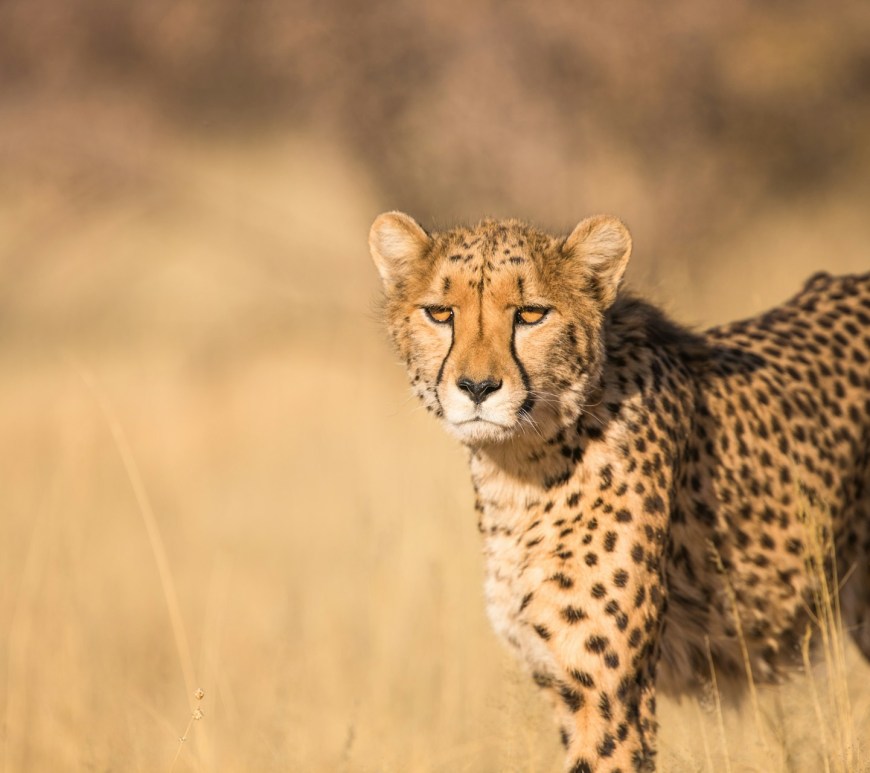
Tim Hofmann and Stijn Verschueren from the Cheetah Conservation Fund in Otjiwarongo, Namibia investigate how to effectively monitor cheetah populations. Cheetahs are Africa’s most endangered big cats, with fewer than 7,100 individuals left in the wild, scattered across less than 9% of their historical range. These estimates are largely based on expert opinions and few well-studied populations. In many parts of the cheetah’s range, we … Continue reading The story behind the research: “Combining detection dogs and camera traps improves cheetah monitoring”

Beneath the Waves: Estimating Marine Bird Abundances Outside the Breeding Season

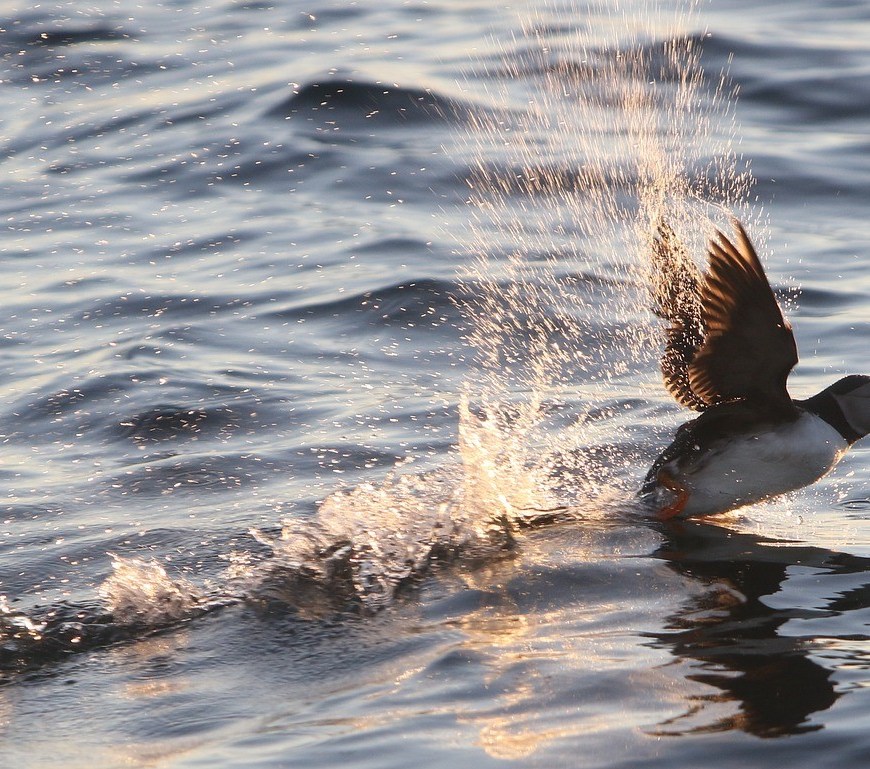
Ruth Dunn shares insights on her latest study where, alongside her colleagues, she investigated the number of marine birds, outside of their breeding seasons, that may be undetectable when underwater during at-sea surveys. Investing in renewable energy developments, as opposed to burning fossil fuels, has been hailed as a route through which humans might be able to counteract anthropogenic-induced climate change. Within western Europe, it … Continue reading Beneath the Waves: Estimating Marine Bird Abundances Outside the Breeding Season

Cover stories: red deer for grassland conservation

Our latest cover photo, taken by Marcus Meißner shows a red deer stag amidst an area of common broom the Grafenwöhr military training area (GTA), Germany. Besides disturbances caused by military training activities and mechanical land management, grazing by wild red deer contributes to maintaining open habitats on GTA. Friederike Riesch, lead author of the corresponding article, Grazing by wild red deer: Management options for … Continue reading Cover stories: red deer for grassland conservation

Deer prevent severe canopy fires, save oak trees and contribute to ecosystem carbon storage

While deer may impact tree regeneration, they can also help prevent the spread of severe wildfires. Given increased likelihood of extreme climatic events, such as droughts, Miguel Bugalho explains how we need to consider both the positive and negative effects of wild ungulate grazing.  Deer mitigate severe wildfires Wild ungulate herbivores, namely deer, may negatively affect tree regeneration through consumption and damage of young seedlings … Continue reading Deer prevent severe canopy fires, save oak trees and contribute to ecosystem carbon storage