Restorative recreation: One landowner’s restoration experience in Iowa’s Loess Hills

In his latest From Practice article, author and landowner Patrick Swanson describes his experience restoring a native prairie remnant in Iowa’s Loess Hills and introduces a new paradigm that maximizes benefits to personal wellbeing while improving the landscape for other species. This article is part of the cross-journal, cross-society Special Feature on the UN Decade on Ecosystem Restoration. Ecosystems worldwide are under mounting stress from … Continue reading Restorative recreation: One landowner’s restoration experience in Iowa’s Loess Hills

Effectively integrating experiments into conservation practice

How can evidence be generated from conservation practice? In their latest review, Nancy Ockendon and colleagues seek to raise awareness of opportunities to embed experiments in conservation and restoration management, in order to generate new evidence and ultimately improve practice. Originally posted and adapted from the Endangered Landscapes Programme. Why do we need more experiments? It’s widely understood that it is important to consider the … Continue reading Effectively integrating experiments into conservation practice

Research Stories: The hunt for arctic aliens

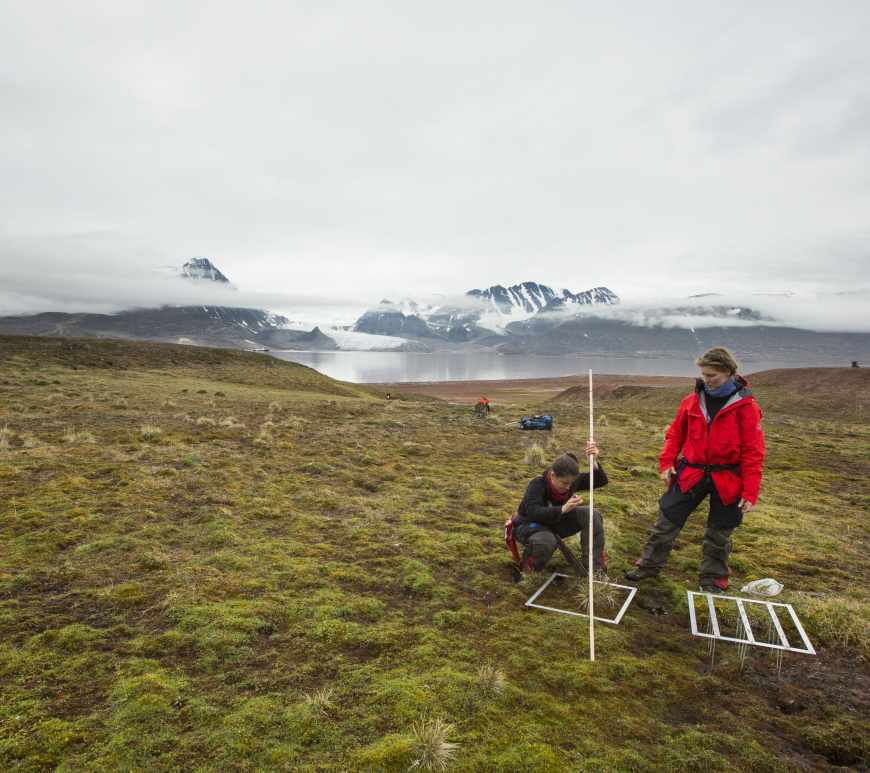
Authors Ronja Wedegärtner and Jesamine Bartlett recall their team’s expedition in the high-Arctic Svalbard to monitor alien flora and publish their latest research which presents the most comprehensive survey of alien vascular species in the archipelago to date. Whilst we do not hunt for extra-terrestrial aliens that may or may not be hidden under the ice (as some on the more unbridled sections of the … Continue reading Research Stories: The hunt for arctic aliens

Ecological Solutions and Evidence Prize 2020: early career researcher winner announced

We’re excited to announce Christina Service as the winner of the inaugural Ecological Solutions and Evidence Prize, celebrating the best Research Article in the journal by an author at the start of their career. Winner: Christina Service Research: “Spatial patterns and rarity of the white‐phased ‘Spirit bear’ allele reveal gaps in habitat protection” About the research While the American black bear (Ursus americanus) is a … Continue reading Ecological Solutions and Evidence Prize 2020: early career researcher winner announced

ESE Editor’s Choice 2:1 – Answering the call for evidence-based conservation science teaching

Is conservation science failing to prepare students to make an effective contribution to conservation practice? Associate Editor Costanza Rampini introduces our latest Editor’s Choice article by Downey et al. calling for a wider teaching of evidence-based conservation. Although the past 20 years have seen a huge increase in the amount of scientific information available to conservationists, conservation practitioners and land managers still too often rely … Continue reading ESE Editor’s Choice 2:1 – Answering the call for evidence-based conservation science teaching

Seeing in the dark: Detecting and protecting cryptic nesting species using UAV thermal cameras

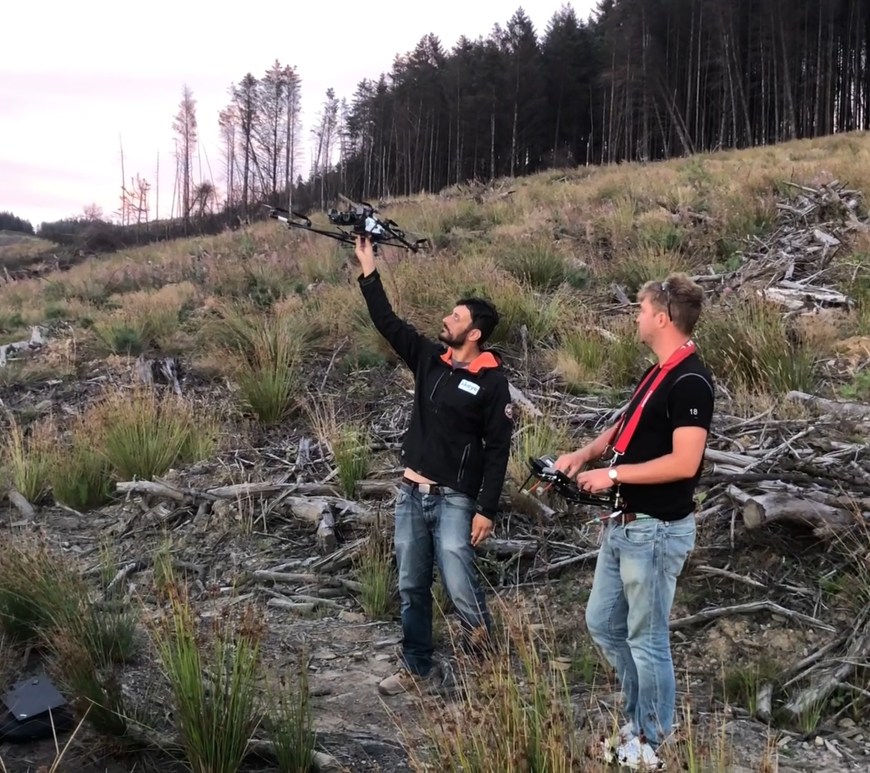
Authors Mike Shewring and Jim Vafidis share a video summary of their latest From Practice article using UAV-mounted thermal imaging to detect cryptic nesting European Nightjars in Wales, UK. Confirming the presence and location of cryptic nesting species is a significant fieldwork challenge in ecological monitoring. Nest sites can be located through direct observation or capture and radio tracking of breeding individuals; however, such work … Continue reading Seeing in the dark: Detecting and protecting cryptic nesting species using UAV thermal cameras

Research Stories: A mission to tag giant mantas in northern Peru

Authors Kerstin Forsberg and Samantha Andrzejaczek recall their team’s efforts working with NGOs and local government, scientists and community to produce their latest research on the behaviour and conservation of manta rays in northern Peru. It was a sunny day in May 2018, and we were out in the waters of Tumbes, northern Peru, searching for endangered giant oceanic manta rays (Mobula birostris). Our team … Continue reading Research Stories: A mission to tag giant mantas in northern Peru

Habitat selection modelling reveals sea turtles use protected areas in greater proportion to their availability

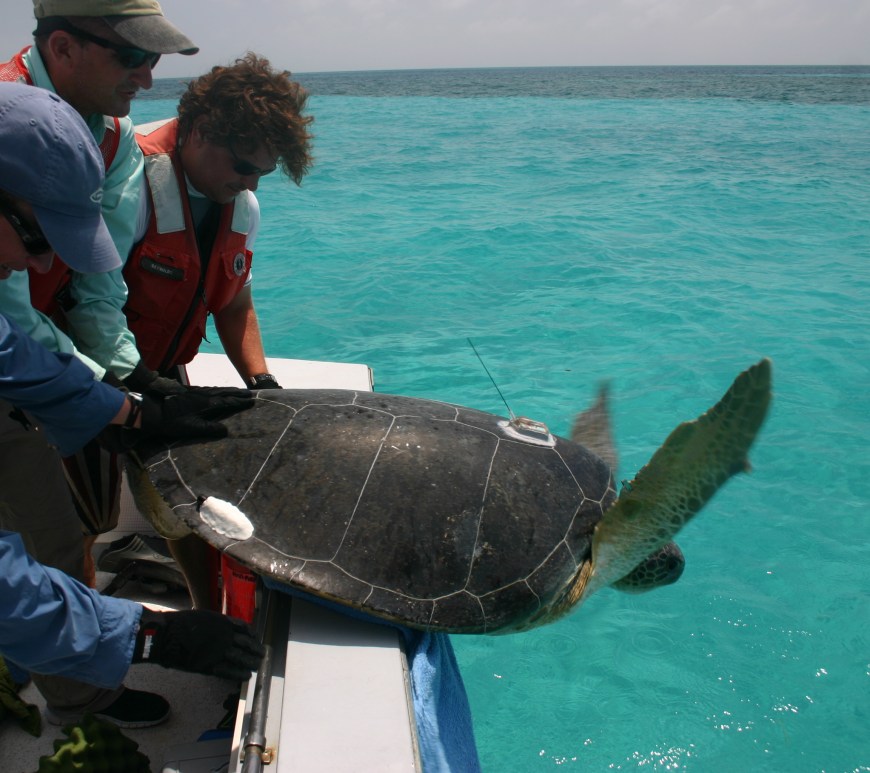
Marine Protected Areas (MPAs) are designated regions to help conserve wildlife but how are they used by the species they protect? In their latest research, Kelsey Roberts and colleagues evaluate the use of these protected areas by sea turtles to help inform better design and management of MPAs. Scientists agree that area-based conservation efforts are key to preserving biodiversity and ecosystems, as well as ocean-based … Continue reading Habitat selection modelling reveals sea turtles use protected areas in greater proportion to their availability

Gypsy moths: Understanding the impact of a dreadful forest pest

In their latest Registered Report, Benjamin Leroy and colleagues outline their methods to review the pathways in which gypsy moth outbreaks, and their subsequent treatment, affect forest ecosystems. To find out more about Registered Reports, read our blog post here. The gypsy moth is a species native to Eurasia and widely considered as one of the most severe pests of temperate forests. The exceptionally voracious … Continue reading Gypsy moths: Understanding the impact of a dreadful forest pest

Cameron Hodges: Using radio-telemetry to better understand how a highly venomous snake lives among people

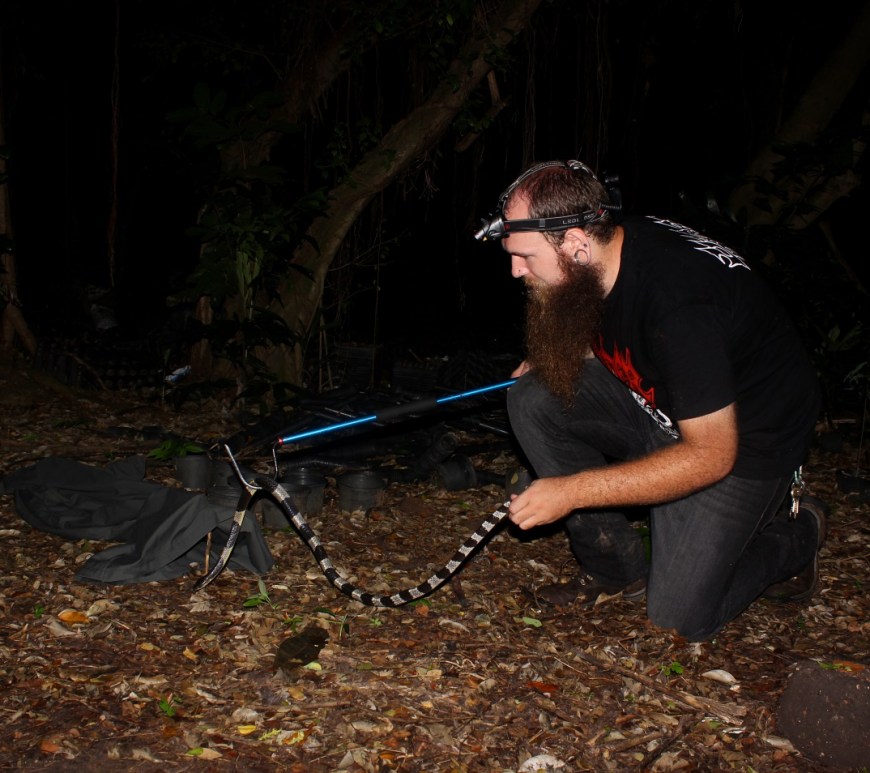
In this Q&A, we ask author Cameron Hodges about his team’s research monitoring the behaviour of a Malayan krait near a university dormitory in Thailand, and find out a little bit more about the author himself. Go to: The research | The bigger picture | About the Author The research What’s your article about? Our article provides a detailed description of the observed movements, habitat … Continue reading Cameron Hodges: Using radio-telemetry to better understand how a highly venomous snake lives among people