Materiales didácticos de acceso abierto para la práctica basada en la evidencia en conservación

En su última revisión, Harriet Downey y docentes de todo el mundo hicieron una petición para una enseñanza más extensa de las herramientas y habilidades necesarias para facilitar la conservación basada en evidencia. A version of this post is available in English. Translated to Spanish by Veronica Zamora-Gutierrez. ¿Sabías que se publican más de 12000 artículos anualmente solo en el campo de la ecología? Los … Continue reading Materiales didácticos de acceso abierto para la práctica basada en la evidencia en conservación

ESE Editor’s Choice 1:2 – An ethical framework for using camera traps in the field

How should you react if you unintentionally capture illegal activity in photos from a wildlife camera trap? Associate Editor Dave Augeri introduces our latest Editor’s Choice article by Sharma et al. which addresses the ethics of using camera traps in wildlife research. Ethical principles are so fundamental to our work in conservation science that we often take it for granted. However, while we may naturally … Continue reading ESE Editor’s Choice 1:2 – An ethical framework for using camera traps in the field

Welcoming our new ESE Associate Editors – 2020

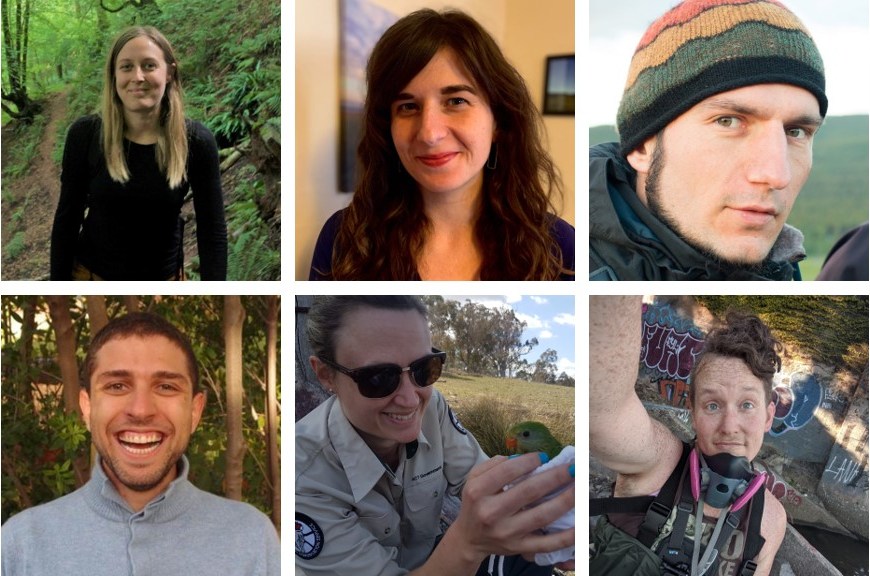
Following our open call for applicants over the summer, we are pleased to welcome 14 new Associate Editors to the Ecological Solutions and Evidence Editorial Board. We are delighted to further expand the expertise and diversity of our board through the open call, with ecologists joining us from 9 different countries and bringing expertise from both academic research and on-the-ground practice. You can find out … Continue reading Welcoming our new ESE Associate Editors – 2020

Can ‘Citizen Scientists’ play a valid role in conservation management?

The emergence of citizen science in biodiversity monitoring has transformed the methods by which biodiversity surveys can be conducted. With the recent development of automatic visual identification tools, Pierre Bonnet and colleagues present two distinct case studies implementing citizen science and the use of Pl@ntNet, an automatic plant identification platform. This article is part of the BES cross-journal special feature on Citizen Science. Effective monitoring … Continue reading Can ‘Citizen Scientists’ play a valid role in conservation management?

Using grey literature as an evidence base for ecological research and practice

Applied Ecology Resources promote evidence-based decision making by curating a wide range of information sources including grey literature – but how can researchers and practitioners use this resource in their work? AER Chair Marc Cadotte provides the following advice. Information is key for evaluating the evidence base underpinning scientific understanding, and for developing effective and efficient management of ecosystems. Yet, the primary sources of information … Continue reading Using grey literature as an evidence base for ecological research and practice

Targeting survey and monitoring efforts on roads could help us better understand population changes in introduced carnivores

Carnivores usually occur over large areas in low numbers, which sometimes makes them difficult to find. In their recently published article, Hayley Geyle and colleagues assessed the effectiveness of different camera trap survey designs for detecting feral cats and red foxes, and looked at how this influenced their ability to determine whether populations had changed in response to control through time. Introduced carnivores in Australia … Continue reading Targeting survey and monitoring efforts on roads could help us better understand population changes in introduced carnivores

Behind the Cover 1:1 – Q&A with Alex Braczkowski

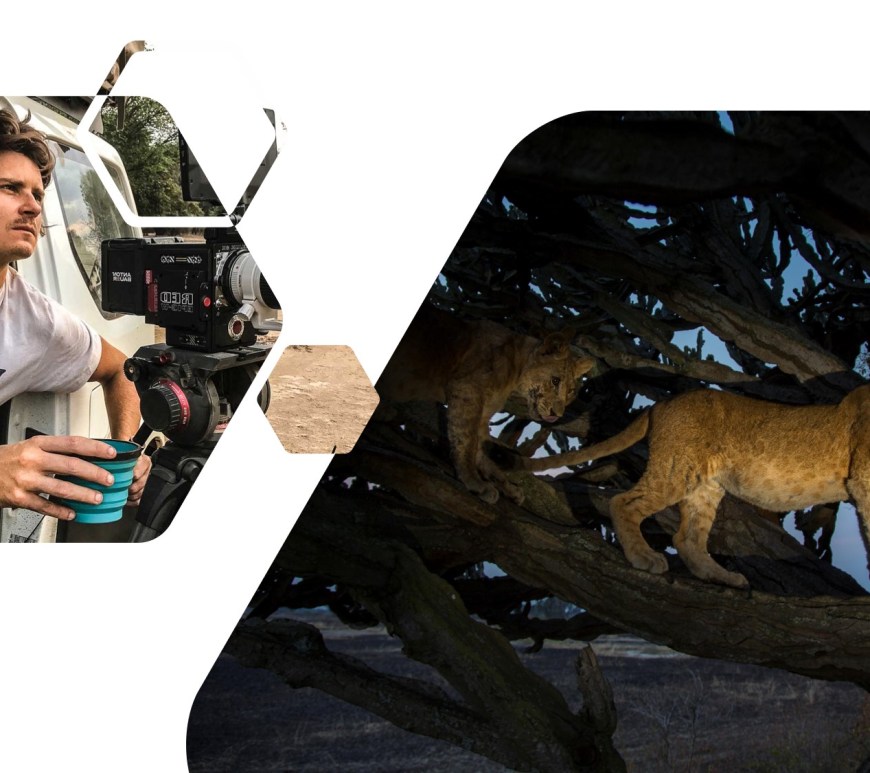
In this Q&A, we find out more about the author and research: “Detecting early warnings of pressure on an African lion (Panthera leo) population in the Queen Elizabeth Conservation Area, Uganda” behind the brilliant cover image of our inaugural issue. The research What’s your article about? Our article is about the status of African lions in western Uganda and how a recently developed population survey technique … Continue reading Behind the Cover 1:1 – Q&A with Alex Braczkowski

ESE Editor’s Choice 1:1 – Understanding invasive plant phenology to better protect native island species

Laysan albatrosses amongst a field of golden crownbeard © David Dow Taylor et al.’s recent From Practice article details a case study on Midway Atoll that demonstrates the importance of understanding plant phenology to better control and eradicate non-native species. Lead Editor Carolyn Kurle highlights this article as the inaugural Ecological Solutions and Evidence Editor’s Choice. Invasive species on islands are an enormous problem; largely … Continue reading ESE Editor’s Choice 1:1 – Understanding invasive plant phenology to better protect native island species

Lessons from an exemplary private wildlife reserve in Spain

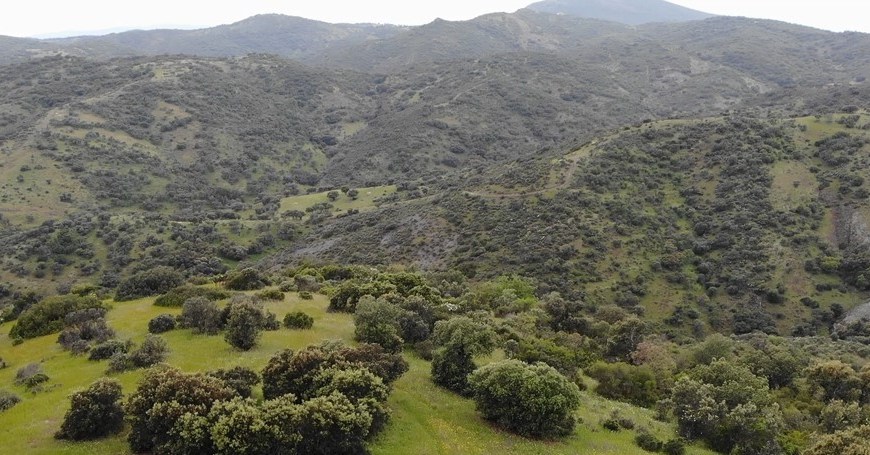
Global conservation targets mostly lean on public initiatives and resources but expanding conservation efforts to private land is paramount to halt biodiversity loss and recover wildlife. In their latest From Practice article, two applied scientists and two practitioners analyse a success story of a private wildlife reserve – the Los Barranquillos Wildlife Refuge in central Spain – which has been running for the past two … Continue reading Lessons from an exemplary private wildlife reserve in Spain

New study reveals rarity of the Spirit Bear and gaps in their protection in Canada’s Great Bear Rainforest

In their latest research, Service and colleagues map the distribution and frequency of the ‘Spirit bear’ allele to support conservation planning of these culturally important phenotypic variants. Author Christina Service shares her team’s findings below. Continue reading New study reveals rarity of the Spirit Bear and gaps in their protection in Canada’s Great Bear Rainforest