Pride Month 2024: Numair Masud

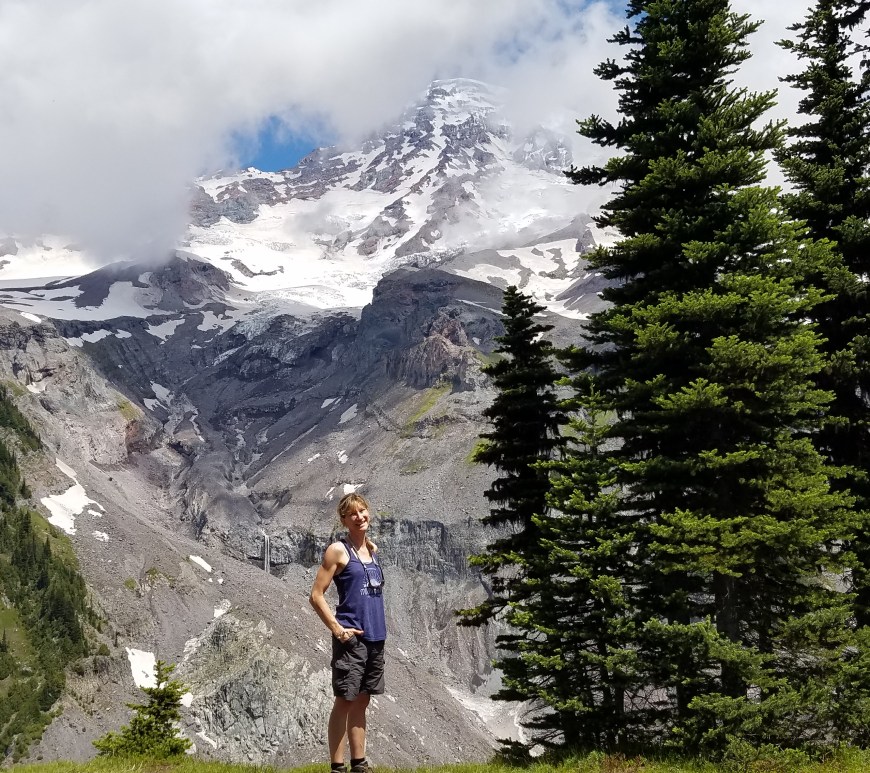
Happy Pride Month! Join the British Ecological Society in this annual, global celebration as we share stories from STEM researchers who belong to the LGBTQ+ community. This post is by Dr Numair Masud (he/him), Bioscience Research Associate at Cardiff University. Pride in a conflicted world Dr Numair Masud (he/him) is a Bioscience Research Associate at Cardiff University, investigating how anthropogenic stressors impact freshwater organisms. When … Continue reading Pride Month 2024: Numair Masud

Up in the trees – research into dormouse survey methods

Author Debbie Barlett shares her latest study that assesses whether current dormice survey methods are fit to produce accurate results. Where did the idea come from? I’ve always felt my role as programme leader for the MSc in Environmental Conservation at the University of Greenwich was to encourage students to question what they are being taught. This is particularly important during fieldwork, from the preparatory … Continue reading Up in the trees – research into dormouse survey methods

Creating innovative solutions to manage aquatic invasive species impacts

Author Sarah Kingsbury shares a new integrated management approach to better assess the effects and risks of aquatic invasive species on Atlantic salmon in Nova Scotia, Canada. Invasive species played key roles in the extinction of 60% of Earth’s plants and animals as reported by IPBES in 2023. While not all alien species introduced to new habitats become problematic (or even are able to establish … Continue reading Creating innovative solutions to manage aquatic invasive species impacts

Controlling an invasive shrub across the year with basal bark herbicide treatment

Nick Barber and colleagues share a new invasive plant management technique to better control invasive species and improve biodiversity. Controlling invasive plants can be a never-ending battle for land managers, and this work is costly — not just in materials like expensive herbicide, but costly in time as well. This is especially the case when invasive control efforts overlap with other management responsibilities. Managers have … Continue reading Controlling an invasive shrub across the year with basal bark herbicide treatment

Learning from failure: attempted eradication of red swamp crayfish in Malta did not deliver

Feature image: Invasive Red swamp crayfish (Procambarus clarkii) © Alex Caruana Author Alex Caruana shares learnings from their failed attempts to eradicate invasive crayfish from the Fiddien Valley in Malta. Invasive alien crayfish, like the Red Swamp Crayfish (Procambarus clarkii), are a major threat to freshwater ecosystems all over the world. They have a significant impact on freshwater food webs, can carry diseases such as … Continue reading Learning from failure: attempted eradication of red swamp crayfish in Malta did not deliver

Contributing to the conversation on community engagement in ecosystem restoration

Authors Judy Kingsbury and Marian Farrior share proven practices developed from existing community-based restoration programmes to foster similar programmes around the world. Our article, co-authored with Bradley Herrick, was inspired by the UN Decade on Ecosystem Restoration and the call to halt and reverse the degradation of Earth’s ecosystems. We share the principles, practices and frameworks behind the Arboretum’s ‘Restoration Team Leader Program’, for volunteers, … Continue reading Contributing to the conversation on community engagement in ecosystem restoration

No change in burning of peatland in Eastern Scotland’s moorlands

Author Benedict Spracklen used satellite imagery to better understand the impact of prescribed burning of moorland on ecosystem services. Prescribed burning has long played a role in the management of moorland, both in Scotland and across the UK. In Eastern Scotland, moorland burning (muirburn) is carried out to remove old vegetation and encourage new growth, in the belief this will help red grouse, which are … Continue reading No change in burning of peatland in Eastern Scotland’s moorlands

Chico Mendes Prize 2023: Winner announced for early career practitioner award

We’re excited to announce Molly Mitchell as the winner of the 2023 Chico Mendes Prize, celebrating the best Practice Insights article in the journal by an author at the start of their career. Winner: Molly Mitchell Article: A marsh multimodel approach to inform future marsh management under accelerating sea-level rise About the research How do you make good decisions about managing resources when those resources are … Continue reading Chico Mendes Prize 2023: Winner announced for early career practitioner award

Georgina Mace Prize 2023: Winner announced for early career researcher award

We’re excited to announce Melanie Dickie as the winner of the 2023 Georgina Mace Prize, celebrating the best article in the journal by an author at the start of their career. Winner: Melanie Dickie Article: Applying remote sensing for large-landscape problems: Inventorying and tracking habitat recovery for a broadly distributed Species At Risk About the research For many species at risk, population declines can be traced … Continue reading Georgina Mace Prize 2023: Winner announced for early career researcher award

Restoring Landscapes: When restoration actions don’t lead to restoration outcomes

As part of the ‘Restoring Landscapes’ blog series, author Jake Williams presents a case study illustrating the value of satellite data in filling the knowledge gap on the effect of passive restoration efforts in different climatic and ecological contexts. With the launch of the ‘Restoring Landscapes’ blog series, it is a timely moment to reflect on the connection between the actions we call “restoration” and … Continue reading Restoring Landscapes: When restoration actions don’t lead to restoration outcomes