Editor’s Choice 60:1 Weed communities are more diverse, but not more abundant, in dense and complex bocage landscapes

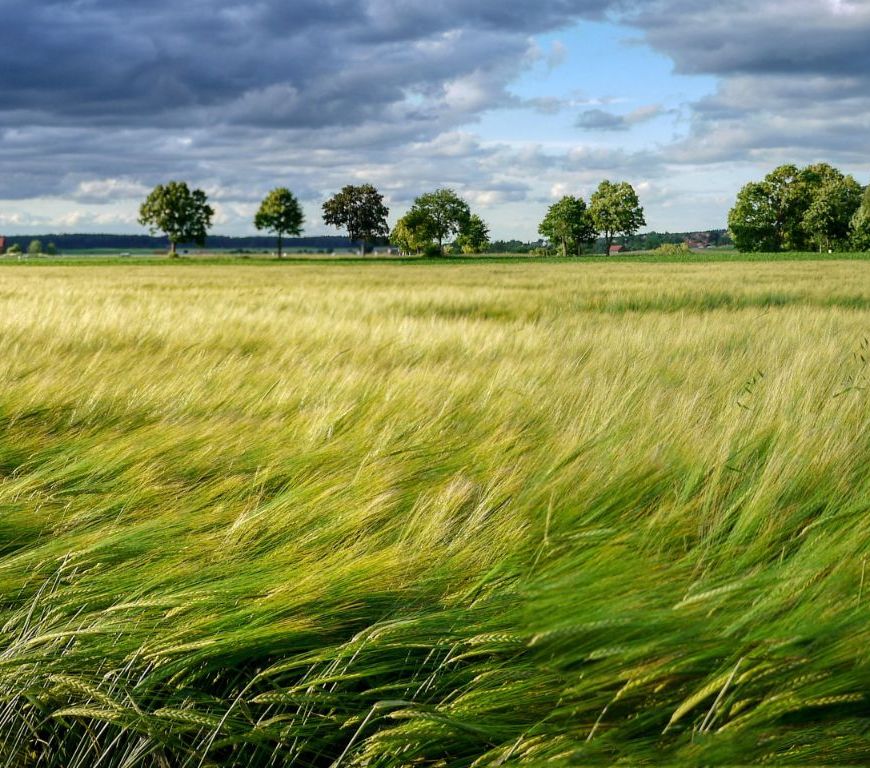
Associate Editor Pieter De Frenne talks us through a new research article by Boinot et al which found that the weed communities in bocage landscapes were functionally more diverse, creating important implications for the management of agricultural bocage landscapes. One of the cornerstones of many national and international agricultural policies, such as the EU Green Deal, is to transition to a sustainable food system and … Continue reading Editor’s Choice 60:1 Weed communities are more diverse, but not more abundant, in dense and complex bocage landscapes
For the sake of diversity: An alternative approach to tree planting that prioritizes conservation goals

Lead author Olivia St-Laurent explains why she and her co-authors of the new article ‘Safeguarding eucalypt diversity through conservation-focused tree planting’ advocate for a novel approach to environmental tree planting, benefitting people and nature by prioritizing biodiversity conservation. Everywhere, governments are making commitments to stop or slow the loss of local biological diversity and to restore degraded ecosystems. In megadiverse Australia, endemic species represent 85% … Continue reading For the sake of diversity: An alternative approach to tree planting that prioritizes conservation goals

How much agri-environment provision is required to reverse farmland bird declines?

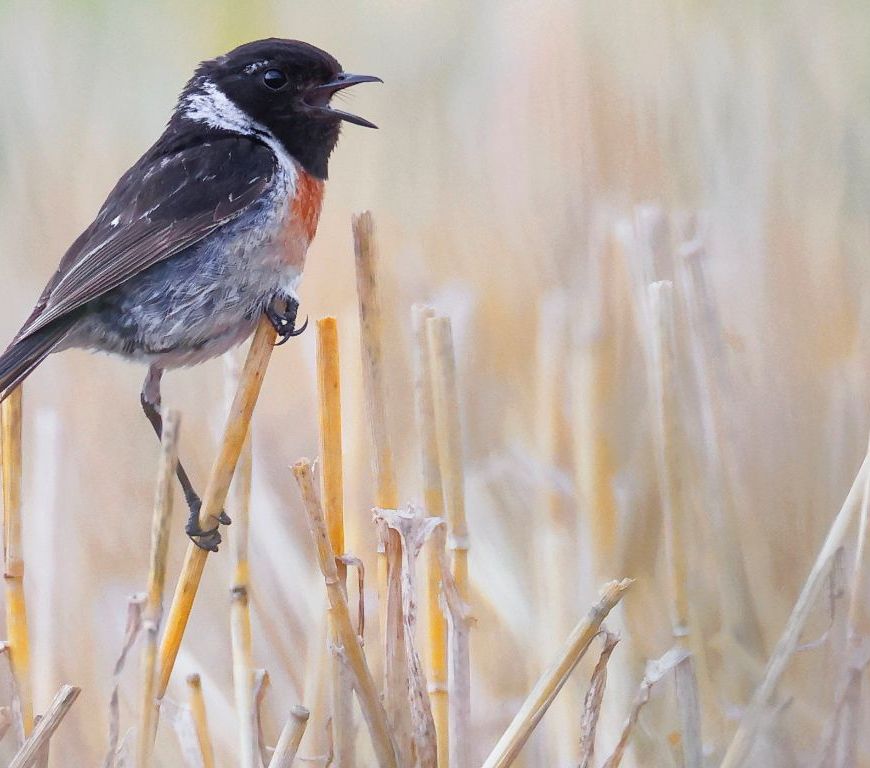
Dr Robert Hawkes, RSPB Conservation Scientist, explains the findings of a recently published article. Here, RSPB and BTO scientists, in partnership with Natural England, explore how much bird-friendly agri-environment management is needed to stabilise or reverse farmland bird declines. The UK government has recently committed to halting species abundance declines in England by 2030, with similar timebound EU targets currently under discussion. With many species … Continue reading How much agri-environment provision is required to reverse farmland bird declines?

De relatie tussen oogstvermindering en begrazingsdruk door ganzen – implicaties voor beheer

Nelleke Buitendijk bespreekt het nieuwste onderzoek van haar team uit het nieuw verschenen artikel. Hoogtepunten zijn onder meer dat het verminderen van de overvloed aan herbivoren zich mogelijk niet direct vertaalt in een verminderd opbrengstverlies en dat beheersinstrumenten met zorg moeten worden gebruikt. Continue reading De relatie tussen oogstvermindering en begrazingsdruk door ganzen – implicaties voor beheer

The relationship between yield loss and goose grazing pressure – implications for management of wild herbivores

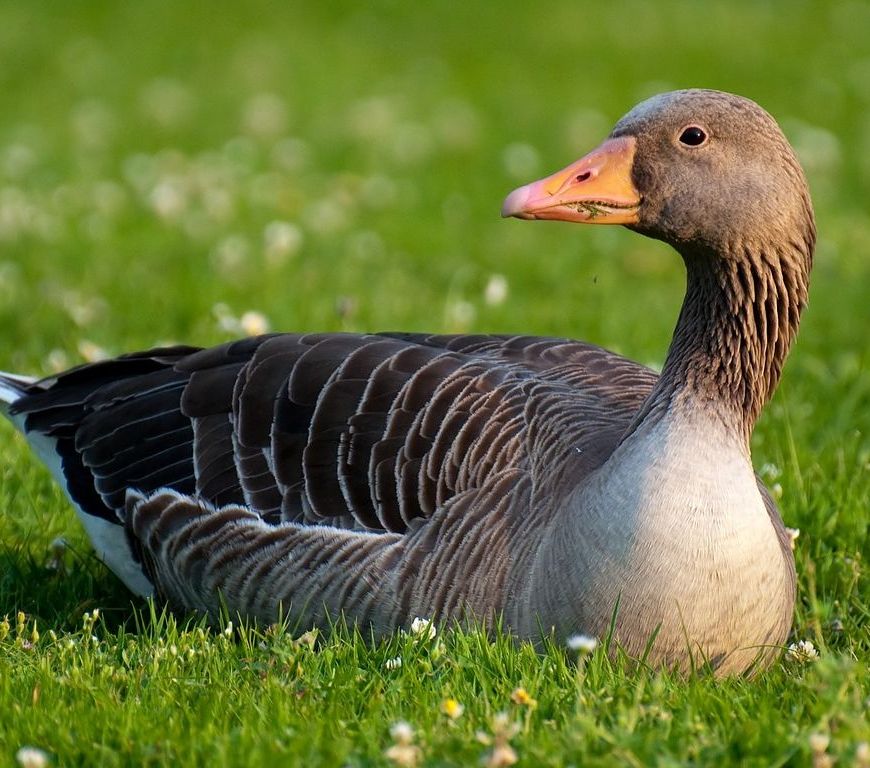
This post is also available in Dutch here. Nelleke Buitendijk discusses a newly published study from her and her colleagues on the impact of grazing on agricultural grasslands. Highlights include that decreasing herbivore abundance may not directly translate to a decreased yield loss, and that management tools should be used with care. Grazing by geese can cause a lot of damage to agricultural crops. Goose … Continue reading The relationship between yield loss and goose grazing pressure – implications for management of wild herbivores

Farmstead modernization affects farmland birds

Martin Mayer and Martin Šálek take us through their latest research into how old ‘messy’ farmsteads may actually be bird hotspots and how modernization changes this. Old cow sheds are a great place for farmland birds. There are many cracks, corners and beams in these old brick buildings where birds can build their nests. The bedding material for the cows is straw or hay, and … Continue reading Farmstead modernization affects farmland birds

Damilola Olanipon: Navigating through the odds – the experience of a female early career researcher in Nigeria

For Black History Month, the British Ecological Society (BES) journals are celebrating the work of Black ecologists from around the world and sharing their stories. The theme for UK Black History Month this year is Time for Change: Action Not Words. Damilola Olanipon—an early career researcher at Afe Babalola University, Nigeria—shares her story below. I was brought up by a single mother and, gaining admission … Continue reading Damilola Olanipon: Navigating through the odds – the experience of a female early career researcher in Nigeria

How can we limit wind turbine impacts on biodiversity?

There are growing concerns about the impact of renewable energy development on biodiversity. In their latest research, Camille Leroux and colleagues from the National Museum of Natural History of Paris, France, explore how wind turbines impact bat spatial distribution. World-wide policies have led to a drastic increase in renewable energy developments to tackle climate emergencies, either using solar, tidal or wind energy. While these energies … Continue reading How can we limit wind turbine impacts on biodiversity?

Editor’s Choice 58:9 Identifying a pathway towards recovery for depleted wild Pacific salmon populations in a large watershed under multiple stressors

Associate Editor, Hedley Grantham, introduces this month’s Editor’s Choice article by Lia Chalifour and colleagues, which evaluates the potential benefits of 14 management strategies on 19 conservation units of the five Pacific salmon species in the lower Fraser River, British Columbia, Canada. Salmon are an iconic and globally recognisable species. In the Northeast Pacific they are also an important commercial and recreational fish species with … Continue reading Editor’s Choice 58:9 Identifying a pathway towards recovery for depleted wild Pacific salmon populations in a large watershed under multiple stressors

Machine learning has an important role to play in marine conservation

Ecological monitoring is critical for conservation efforts, yet these data often feature strong class imbalances which complicate the development of models to predict such events. In their latest research, Michael W. Wade and colleagues propose two modelling frameworks for predicting exceptionally rare aggregatory behaviour of bull and blacktip sharks along the Gulf coast of Texas. Across many industries, leaders have begun leveraging the immense potential of … Continue reading Machine learning has an important role to play in marine conservation