A novel view of salvage logging in Europe’s spruce forests

In their recently published research, Laura Dobor, Tomáš Hlásny and colleagues investigate how different levels of intensity in salvage logging affect both bark beetle outbreaks and  landscape-scale carbon storage. Salvage logging – the removal of trees killed by wind, insects and other agents – is one of the most frequently applied management responses to forest disturbances worldwide. In European Norway spruce forests, salvaging of windfelled … Continue reading A novel view of salvage logging in Europe’s spruce forests

How should we train the next generation of applied ecologists?

Senior Editor, Nathalie Pettorelli, shares her thoughts on higher education and how we can better support future generations of applied ecologists. If you’d like to share your opinion on this matter or have an idea for a follow-up post, leave a comment below or email us. Our world, whether we look at climate, nature, culture or technology, is changing fast. Some of these changes are … Continue reading How should we train the next generation of applied ecologists?

Meet the Editor: Romina Rader

We are excited to welcome Romina Rader to the Journal of Applied Ecology Senior Editor team. Get to know the newest person behind the decision letters in this ‘Meet the Editor’ conversation. What can you tell us about the first paper you published? My first paper published was about a method to tag crabs in order to follow individuals and find out how they are … Continue reading Meet the Editor: Romina Rader

Editor’s Choice 56:11 – badger behaviour compromises TB eradication efforts

Our November Editor’s Choice article raises the question of whether the culling of badgers could increase the risk of TB spread in cattle, as badgers in culled areas travel further. Associate Editor, Andrew Park, looks at context and management implications of Ham et al.’s recent findings. Bovine tuberculosis (TB) is an important livestock disease in the UK, where it has been increasing since the 1990s … Continue reading Editor’s Choice 56:11 – badger behaviour compromises TB eradication efforts

Exotic eucalypts in restoration? It can work

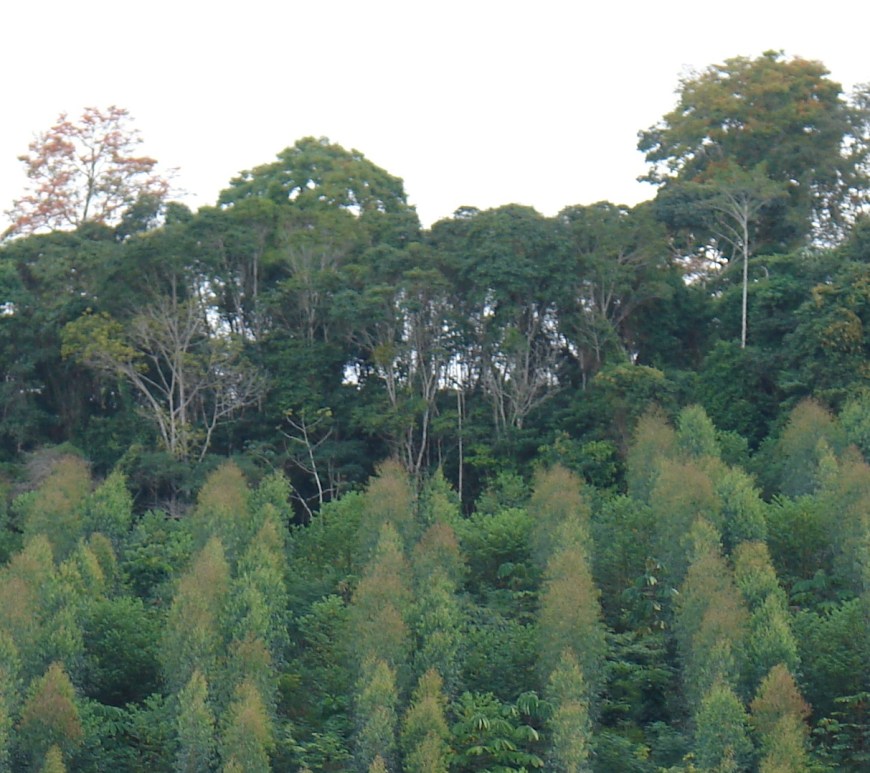
Achieving ambitious, yet cost-effective, global forest restoration goals requires creative approaches. Nino T. Amazonas, Pedro H. S. Brancalion & Karen D. Holl present a novel strategy from Brazil, using mixed plantations of exotic eucalypts and native tree species as a transitional stage for tropical forest restoration. Many countries worldwide have committed large portions of their territory to forest landscape restoration, which has been widely advertised … Continue reading Exotic eucalypts in restoration? It can work

Call for papers: citizen science Special Feature

*UPDATE: the deadline for this special feature open call has been extended to 28 February 2020* Ecological projects involving citizen scientists have rapidly increased in number and there is now a general consensus that they can produce high-quality data. Citizen science projects generate large datasets that allow novel ecological questions to be addressed, but can require the development of both new analytical tools to handle … Continue reading Call for papers: citizen science Special Feature

Journal news: new Executive Editor and Senior Editor

New Executive Editor At the end of this year, we will be saying goodbye to Marc Cadotte as Journal of Applied Ecology‘s Executive Editor. Marc has done a fantastic job leading the journal since he took on the role in 2014. Under Marc’s watch, the journal’s publication record has gone from strength to strength. We’ve also introduced several new journal initiatives under his leadership, including … Continue reading Journal news: new Executive Editor and Senior Editor

If some species extinctions are the result of bad luck, what does this mean for conservation?

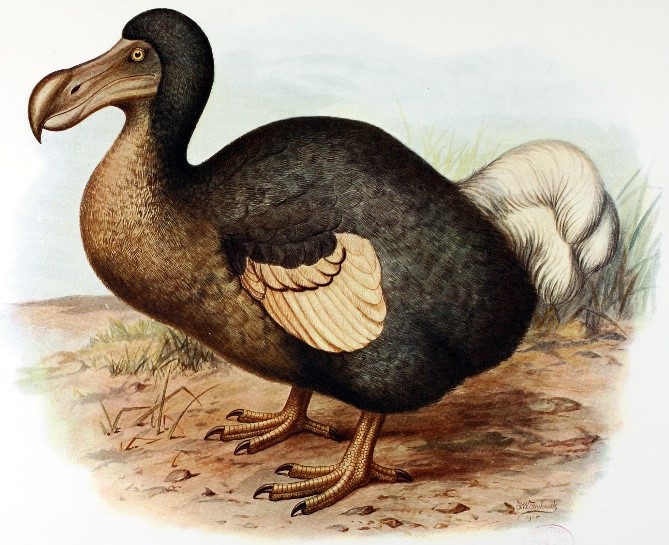
Kevin Smith and Ryan Almeida take a look at how we can predict and manage extinction risk.  Here’s a thought experiment for you: ask a few people the question, ‘What was it about the dodo that led it to go extinct’? Compare your answers. Based on our experience, your friends and colleagues are likely to cite some of the dodo’s traits that they feel like … Continue reading If some species extinctions are the result of bad luck, what does this mean for conservation?

How to reduce the financial risks associated with restoration efforts?

High variation in biodiversity recovery in restored forests at landscape scale can increase the risk associated with investments in restoration programmes. Crouzeilles  et al. summarise their new approach, which aims to predict and map landscape variation in forest restoration success and thus reduce the unpredictability associated with financial risk. Investors operating in different businesses usually avoid high-risk transactions, which likely constrains the flow of financial resources … Continue reading How to reduce the financial risks associated with restoration efforts?

Study design matters in ecology

Evidence is key to informing effective practice in ecology and conservation. While the quality of this evidence depends on many factors, recent research from Christie et al. highlights the design of scientific studies to be one of the most important.   A version of this post is also available in Japanese. Why study design? There are many ways to monitor or evaluate the impacts of … Continue reading Study design matters in ecology