Traditional management systems maintain phylogenetically distinct rare species in semi-natural grasslands

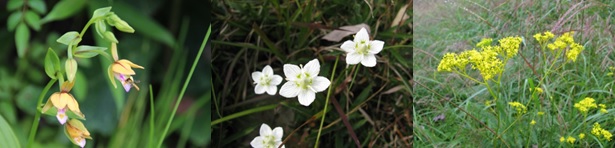
Based on their research in Japan, Kei Uchida and colleagues, highlight why traditional land-use practices need to be upheld if we are to support biodiversity and rare species in semi-natural grasslands. We live in an era of rapidly changing land use. Semi-natural grasslands on the margins of agricultural lands were previously maintained by traditional extensive management practices. But, more recently, a decline in traditional land-use … Continue reading Traditional management systems maintain phylogenetically distinct rare species in semi-natural grasslands

Carnivores without borders: management of transboundary populations when objectives differ

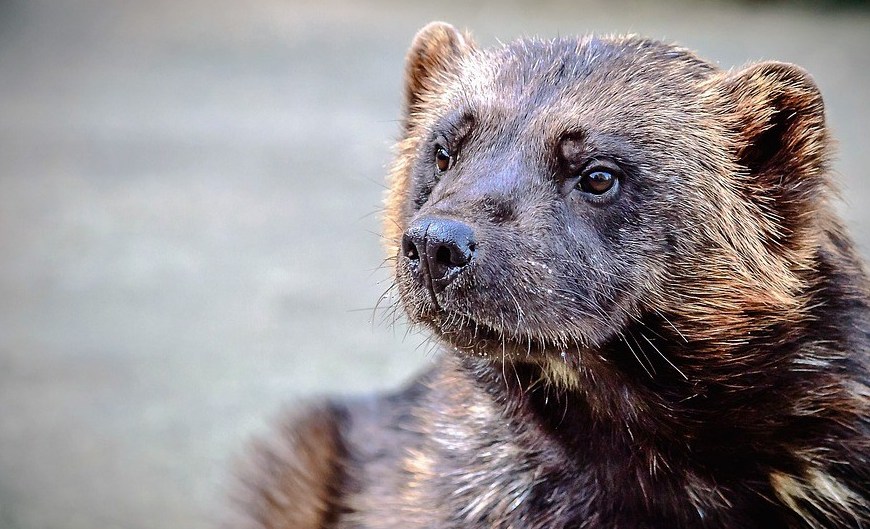
Using the recent case study of wolverines in Scandinavia as an example, Associate Editor, Kulbhushansingh Suryawanshi highlights why management initiatives for transboundary populations need to collaborate across borders – and what happens when they don’t. Globally, carnivore conservation has two very different objectives. First, to protect the population of the carnivore species from going extinct. Second, to mitigate the impact of the carnivore on the … Continue reading Carnivores without borders: management of transboundary populations when objectives differ

Spotlight: Conservation in marine habitats

This month, Journal of Applied Ecology turns its focus to the health of the worlds’ oceans, with a new Spotlight, Conservation in marine habitats. Ignasi Montero-Serra summarizes the importance of this collection of work that provides a variety of cutting-edge tools to quantify the impact of major stressors, and to guide management actions across marine habitats; from the intertidal to the deep sea. Marine habitats … Continue reading Spotlight: Conservation in marine habitats

Editor’s Choice 56:5 – diverse communities of dung beetles and soil microbiota promote food safety

Associate Editor, Bret Elderd explains the importance of insects and microbes in decreasing risks to humans from pathogens such as E. coli. and discusses issue 56:5’s Editor’s Choice article, Organic farming promotes biotic resistance to foodborne human pathogens by Jones et al. Outbreaks of food poisoning, whether due to Escherichia coli (E. coli) or other food-borne pathogens continually pop-up in the news at what seems … Continue reading Editor’s Choice 56:5 – diverse communities of dung beetles and soil microbiota promote food safety

Can living shorelines survive the rising seas?

Take a sneak preview into our new issue, which publishes this Friday and turns the Spotlight on conservation in marine habitats. The feature includes a Practitioner’s Perspective on designing climate‐resilient living shorelines, which Molly Mitchell and Donna Marie Bilkovic discuss here. Look out for an additional post bringing together all the papers in the Spotlight soon. Living shorelines are a form of shoreline protection that mimics … Continue reading Can living shorelines survive the rising seas?

Southwood Prize – Early career researcher award announced

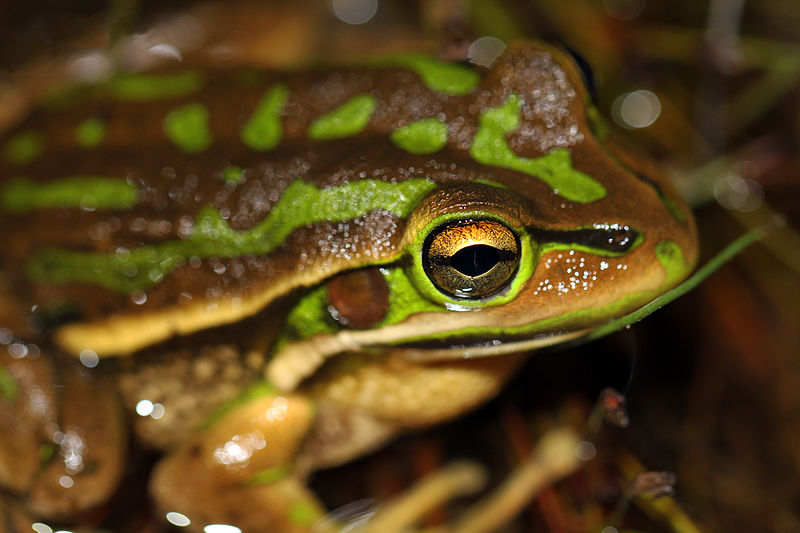
Congratulations to Simon Clulow for winning this year’s Southwood Prize, Journal of Applied Ecology‘s award for the best paper by an early career researcher in the 55th (2018) volume of the journal. Simon’s winning paper, Elevated salinity blocks pathogen transmission and improves host survival from the global amphibian chytrid pandemic: Implications for translocations, shows that manipulating environmental salinity in landscapes where amphibians are translocated can … Continue reading Southwood Prize – Early career researcher award announced

How will climate change impact rangelands in the next few decades?

Philip Thornton (CGIAR Research Program on Climate Change, Agriculture and Food Security (CCAFS)) contributed a chapter to Grasslands and Climate Change, the latest volume of the Ecological Reviews series. In this post Philip tells us more about the chapter, which explains the impacts of climate change on open grasslands used for livestock grazing. There is considerable uncertainty regarding the effects of climate change on rangelands, not … Continue reading How will climate change impact rangelands in the next few decades?

What can we learn from pollution trading to help us create biodiversity offset markets that do not undermine conservation goals?

Katherine Needham aims to answer this question following her recent  Commentary, Designing markets for biodiversity offsets: Lessons from tradable pollution permits, published in the journal. At the start of 2018, the UK Government outlined its ambitious 25 Year Environment Plan. The very first action is to embed an ‘environmental net gain’ principle for all future developments, including housing. Reconciling the need to build 300,000 new … Continue reading What can we learn from pollution trading to help us create biodiversity offset markets that do not undermine conservation goals?

On the horizon: omega-3 fatty acids in oil crops – saving fish or threatening insects?

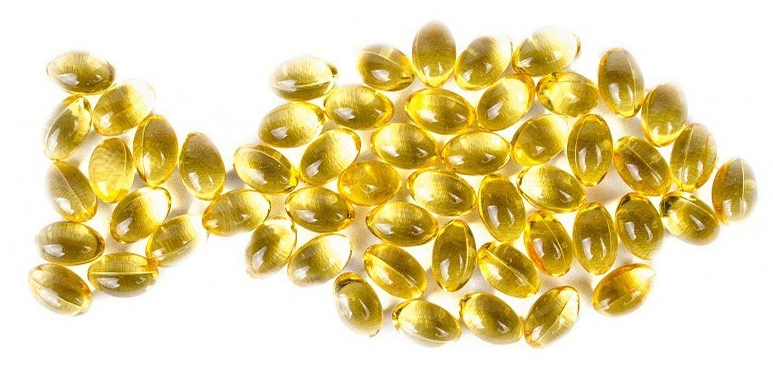
An emerging genetic technology that makes oilseed crops produce omega-3 fatty acids promises health and sustainability benefits, but there’s a potential adverse impact on insects that hardly anyone is talking about. Lynn Dicks and Xavier Le Roux round off our ‘On the horizon’ series. Polyunsaturated, long chain omega-3 fatty acids are the reason why healthy diet recommendations usually include seafood and oily fish like salmon, … Continue reading On the horizon: omega-3 fatty acids in oil crops – saving fish or threatening insects?

How to keep the mycorrhizae? The more hosts you leave, the more symbionts you get

How can tree retention mediate the effects of human-introduced disturbance on ectomycorrhizal fungi? Nahuel Policelli  and Senior Editor, Martin Nuñez discuss the recent article, The significance of retention trees for survival of ectomycorrhizal fungi in clear‐cut Scots pine forests. One of the most important above-belowground interactions is that between plants and mycorrhizal fungi. Acting as symbionts, mycorrhizal fungi are involved in plants’ nutrient uptake and … Continue reading How to keep the mycorrhizae? The more hosts you leave, the more symbionts you get