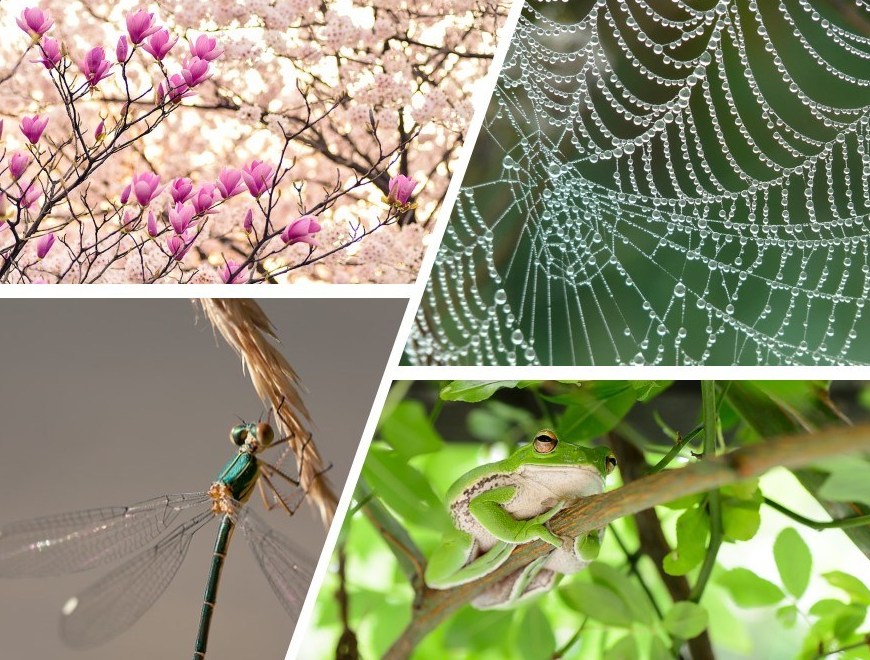
春の日本の水田

片山直樹氏らの日本での研究によると、有機稲作は従来の農業よりも多くの植物、クモ、トンボ、カエル、水鳥を支えている。 A version of this post in English is available here. 20世紀半ば以降の農業の集約化と、より近年の耕作放棄は、農地の生物多様性に対する大きな脅威となっている。有機農法と低投入型農法(化学合成農薬および肥料の削減)は、農地の生物多様性を、進行中の生息地の損失と劣化から守る手段として期待されている。それにもかかわらず、有機農法や低投入型農法が生物多様性にもたらす利益についての知見は、主要な米の生産地であるアジアでは非常に少ない。 著者らの研究では、有機農法や低投入型農法で増える可能性のある様々な生物群(植物、クモ、トンボ、カエル、魚、および鳥)を、有機農法または低投入農法の水田で調査し、近隣の慣行農法の水田と比較した。1000以上の日本の圃場で現地調査を行った。日本では、主に地球温暖化防止や生物多様性保全のために、有機農法や低投入型農法を実施している農家に対して、国や自治体が支援を行っている(0.1 ha当たり最大8,000円=2019年5月21日時点で約72.6 USDまたは65.1 EURに相当)。 著者らは、有機農法の水田において、多くの生物群(在来およびレッドリスト植物、アシナガグモ属、アカネ属、およびトノサマガエル属)の種数・個体数が最も多くなることを実証した。水鳥の種数と個体数は、地域内の有機農法の実施面積に比例して増加し、これは広範囲で食物量を高めることの重要性を示唆した。また低投入型農法の水田は、慣行農法の水田よりも植物の種数とアシナガグモ属・アカネ属の個体数が多かった。さらに著者らは、農業者へのインタビューを通じて収集した農地管理に関するデータを用いて、化学合成農薬の低減や回避だけでなく、輪作の非実施、畦畔植生の維持および空間的にまとまった有機農業の実施によって、生物多用性に配慮した稲作が可能になることを示した。 これらの結果から、慣行農法と比較して、有機および低投入型稲作が農地の生物多様性が豊かであることが明らかになった。これにより、日本で実施されている農業環境政策(有機・特別栽培等に対する交付金制度)の効果について、科学的な評価基盤を提供することができた。さらに、輪作を回避すること、畦畔植生を適当な高さに維持すること、および有機栽培を行う水田を空間的にまとめることも、特定の分類群の保全に有効であることがわかり、こうした取組の推進が望まれる。 全文を参照, 有機農法およびそれに関連する管理手法が複数の生物群に利益をもたらす:水田景観における大規模な野外調査, in Journal of Applied Ecology. Continue reading 春の日本の水田

On the benefits of organic farming: Japanese rice fields in spring

Based on their research in Japan, Naoki Katayama and colleagues highlight how organic rice farming supports more plants, spiders, dragonflies, frogs and waterbirds than conventional farming. A version of this post in Japanese is available here. The intensification of agriculture since the mid-20th century, and the more recent abandonment of farmlands, have presented major threats to farmland biodiversity. Organic farming and less strict low-input farming … Continue reading On the benefits of organic farming: Japanese rice fields in spring

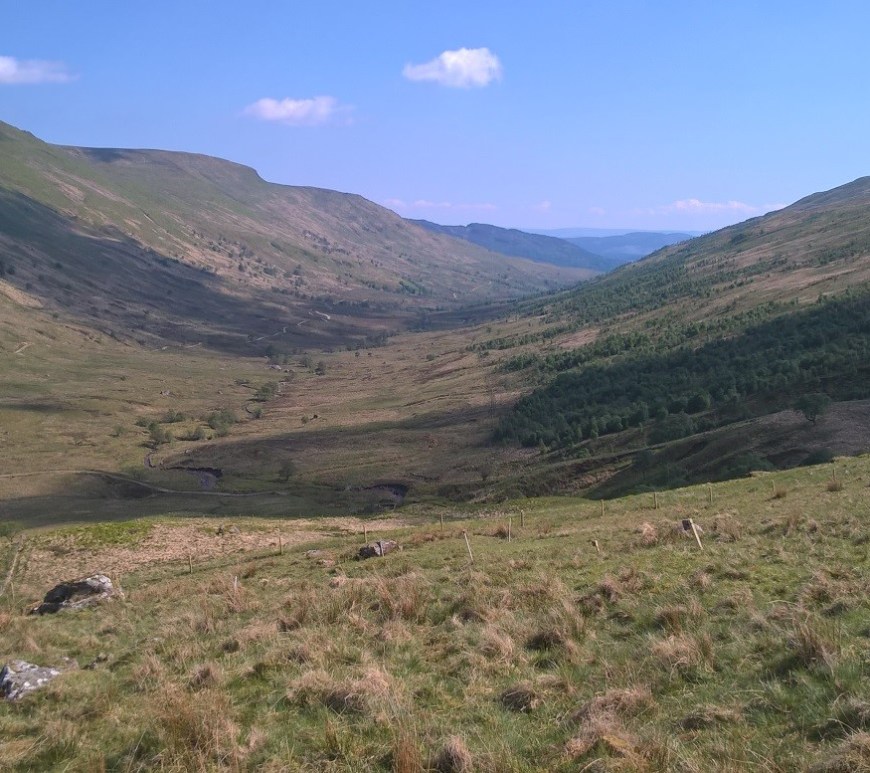
Vegetation change in the uplands is slow, slow, slow

Using results from a long-term experiment at Glen Finglas in Scotland, Robin Pakeman and colleagues show that even substantial changes in grazing management take many years to play out, so forecasting change in the uplands is difficult. Here Robin explains more about their work. We set up the Glen Finglas experiment in 2002 to look at how changes to the European Common Agricultural Policy, specifically … Continue reading Vegetation change in the uplands is slow, slow, slow

Editor’s Choice 56:7: Can agri-environment be successful in a pesticide world?

Executive Editor, Marc Cadotte, provides an insight into the important research of Humann-Guilleminot et al. Their recent article, A nation‐wide survey of neonicotinoid insecticides in agricultural land with implications for agri‐environment schemes, is our July Editor’s Choice. In response to general concerns about the impacts of agricultural activities on native biodiversity and ecosystem health, European jurisdictions have implemented agri-environment schemes that regulate and mitigate agricultural … Continue reading Editor’s Choice 56:7: Can agri-environment be successful in a pesticide world?

Forest patches in working landscapes offer surprising opportunities to conserve neotropical birds

A Spanish version of this post is available here. After years of research into the biodiversity value of agricultural countrysides, it has become clear that, while there is great potential to conserve wildlife alongside humanity in ‘working landscapes’, wildlife communities remain distinct from those in nature reserves. But can working landscapes ever support vulnerable, reserve-affiliated species? New research from Costa Rica by Karp et al. … Continue reading Forest patches in working landscapes offer surprising opportunities to conserve neotropical birds

Parches boscosos en paisajes agrícolas: la estrategia para conservar las aves Neotropicales

An English version of this post is also available here. Tras investigar la biodiversidad en zonas agrícolas y ganaderas por varios años, se ha encontrado que las fincas, haciendas y jardines tienen mucho potencial para conservar la biodiversidad. Sin embargo, dichas áreas no son reemplazos de las áreas protegidas ya que hay algunas especies que solamente habitan en áreas protegidas. Un nuevo artículo de investigación … Continue reading Parches boscosos en paisajes agrícolas: la estrategia para conservar las aves Neotropicales

Is it possible to manage pests and pesticide resistance in heterogeneous landscapes?

Associate Editor Juan Corley explores the challenge of creating environmentally friendly pest management solutions. Does the recent work of Zhou et al. on self-limiting transgenic insects point us in the right direction? Food production is strongly dependent on successful pest management. Since the 1970s, and partly as a consequence of increasing problems with the mass use of pesticides, Integrated Pest Management (IPM) has become the … Continue reading Is it possible to manage pests and pesticide resistance in heterogeneous landscapes?

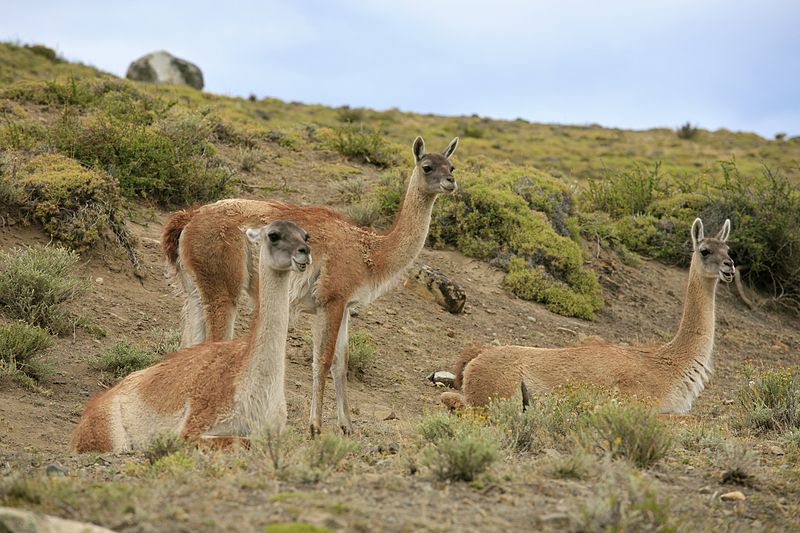
Guanacos can coexist with commercial livestock in Patagonia

Meredith Root-Bernstein raises the question of how we define overgrazing and highlights the recent findings of Oliva et al. in their article, Remotely sensed primary productivity shows that domestic and native herbivores combined are overgrazing Patagonia. Can large wild herbivores live together with domestic livestock? This question is important to answer if we are going to reconcile the conservation of herbivore populations across large areas … Continue reading Guanacos can coexist with commercial livestock in Patagonia

Conservation grazing on saltmarsh: are agri-environment schemes helping?

Following a recently published Research Article, Jennifer Smart explores this question and considers ways we can continue to work with the farming community to achieve conservation goals. Jennifer worked on this post with the British Ecological Society Policy team. In contemporary landscapes, grazing by domesticated cattle and sheep has become an increasingly important aspect of grassland management. This is largely because natural processes such as … Continue reading Conservation grazing on saltmarsh: are agri-environment schemes helping?

Editor’s Choice 56:5 – diverse communities of dung beetles and soil microbiota promote food safety

Associate Editor, Bret Elderd explains the importance of insects and microbes in decreasing risks to humans from pathogens such as E. coli. and discusses issue 56:5’s Editor’s Choice article, Organic farming promotes biotic resistance to foodborne human pathogens by Jones et al. Outbreaks of food poisoning, whether due to Escherichia coli (E. coli) or other food-borne pathogens continually pop-up in the news at what seems … Continue reading Editor’s Choice 56:5 – diverse communities of dung beetles and soil microbiota promote food safety