Temporal mismatches in flight activity patterns between Pipistrellus kuhlii and Prays oleae in olive farms: Implications for biocontrol services potential

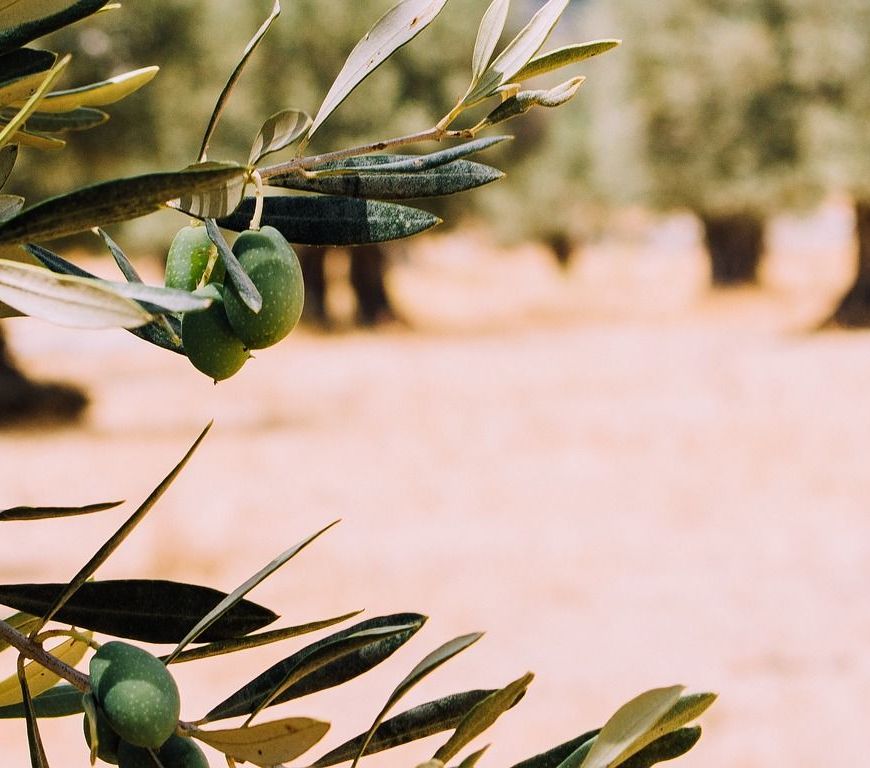
In this blog post José M. Herrera discusses their latest research, conducted alongside co-authors, which looks at the temporal relationship between the nightly activity patterns of the common pipistrelle bat (Pipistrellus kuhlii) and the olive fruit moth (Prays oleae). To enhance biocontrol services, they propose increasing the availability of suitable roosting and foraging sites as well as conserving areas of remnant native woodland and scattered … Continue reading Temporal mismatches in flight activity patterns between Pipistrellus kuhlii and Prays oleae in olive farms: Implications for biocontrol services potential

Research into cassava: A promising crop under climate change

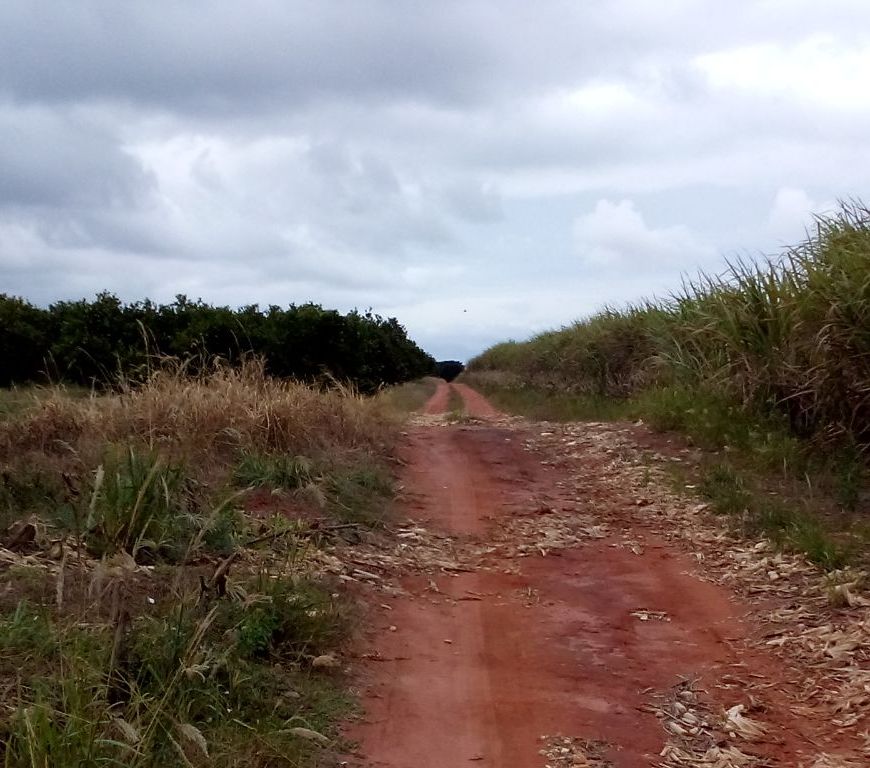
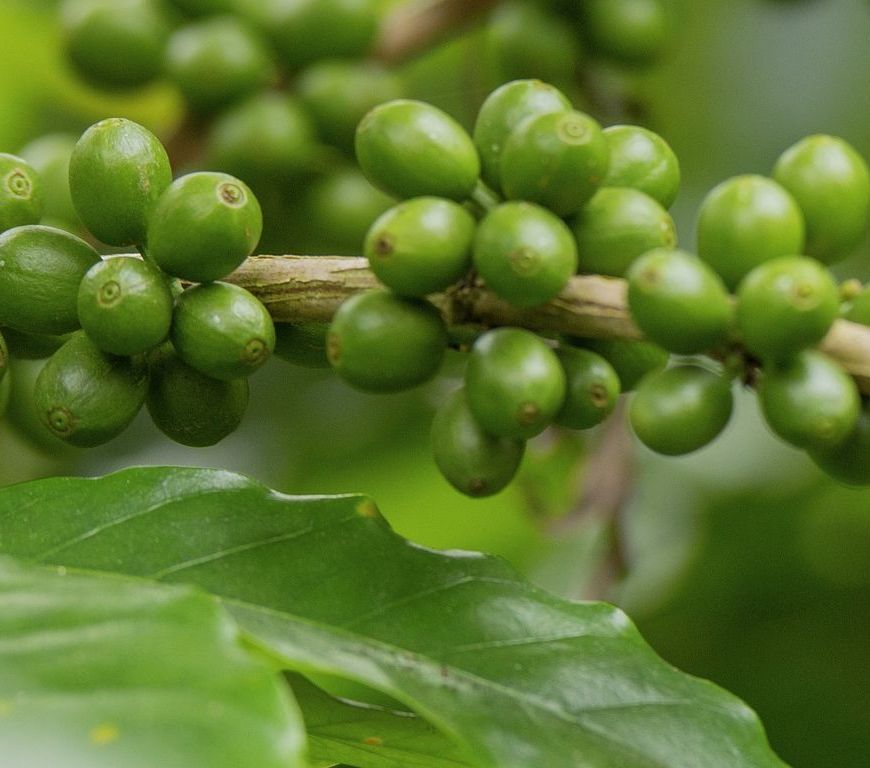
Author Dr Amelia Hood describes what their systematic map of cassava farming practices revealed about our knowledge gaps around this important staple crop. Cassava is a potato-like tuber used to produce a wide array of savoury and sweet dishes, either for direct consumption (e.g. tasty chips!) or following processing into flour (e.g. tapioca, farinha, garri). Cassava – also known as mandioca and yuca – is … Continue reading Research into cassava: A promising crop under climate change

Bed or breakfast? Roe deer balance food and safety according to crop phenology

Noa Rigoudy and co-authors talk us through their latest work, highlighting how behavioural adjustment may buffer the consequences of the reduction in natural habitats that accompanies intensification of agricultural production. This has implications for understanding how agricultural practices shape the food-safety trade-off of wildlife living in these highly modified landscapes. Wildlife in agroecosystems The life cycle of plants (i.e., their phenology) influences how food is … Continue reading Bed or breakfast? Roe deer balance food and safety according to crop phenology

Bees go up, flowers go down: When are flowers needed most in agricultural areas?

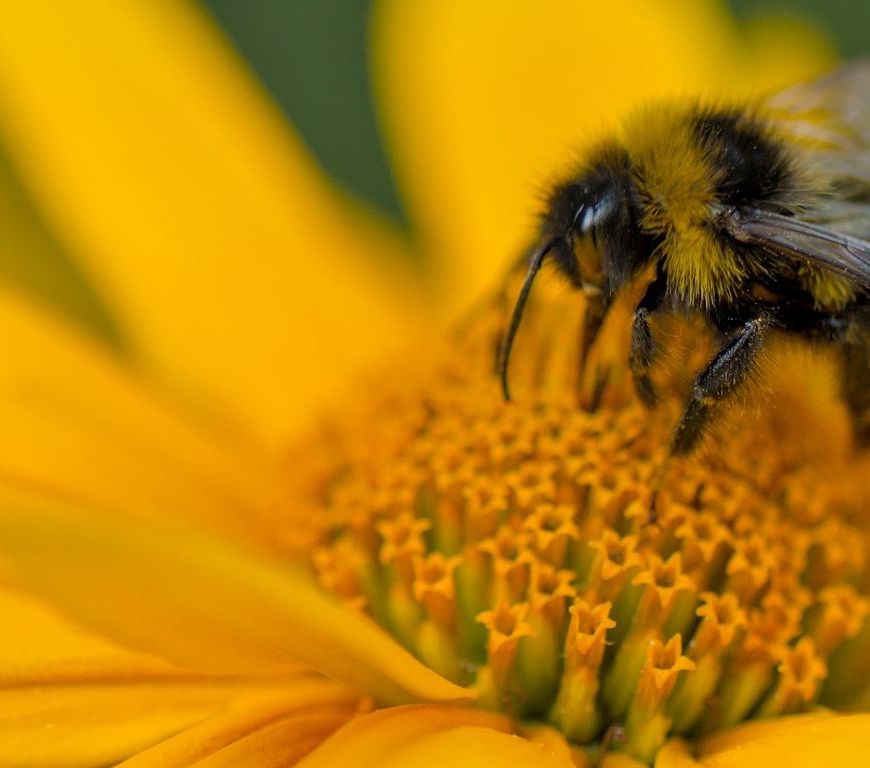
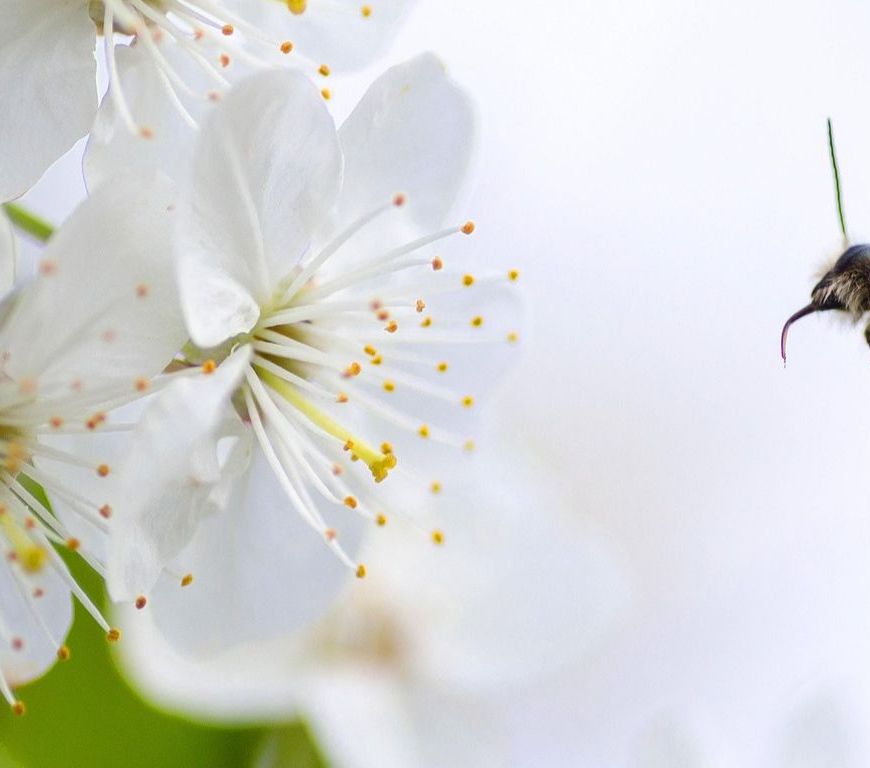
Gabriella Bishop introduces us to the latest study, conducted alongside colleagues, which indicates that agri-environmental management should target the provision of summer floral resources for both social and solitary bees. Bees in intensive agricultural landscapes Bees need flowers for food and reproduction. Previously, agricultural areas contained small fields with undisturbed borders and flower-rich pastures that provided bees with the resources they need. The transition to … Continue reading Bees go up, flowers go down: When are flowers needed most in agricultural areas?

Unravelling the seasonal dance: How flowering crops impact wild pollinators

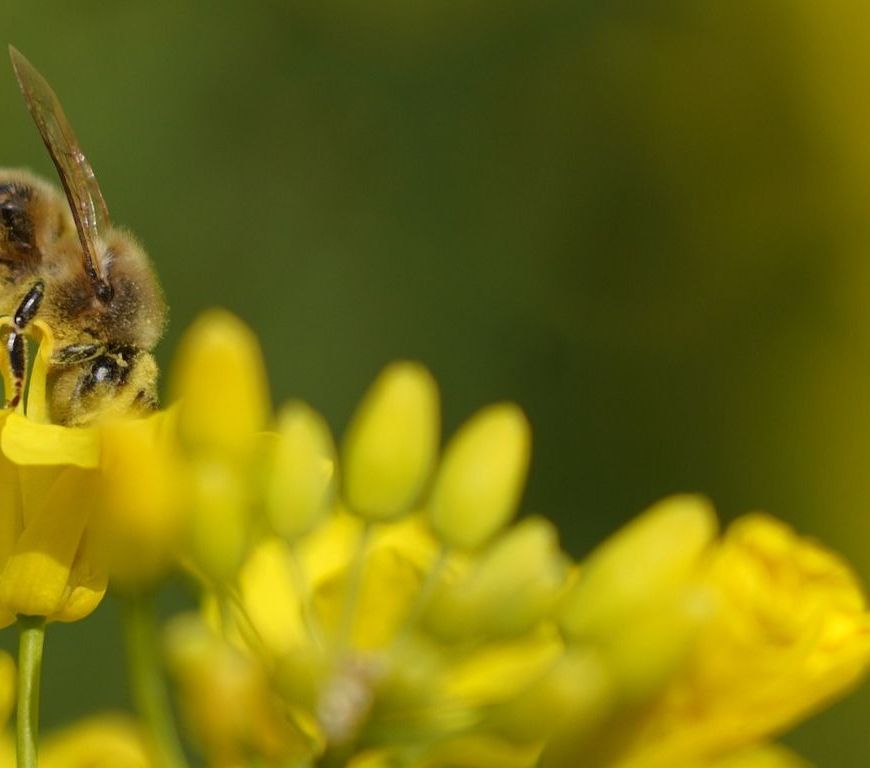
Laura Riggi talks us through the latest research, conducted with colleagues, which confirms that mass-flowering crop cultivation alone is unlikely to be sufficient for maintaining pollinators. However, as part of carefully designed diverse crop rotations or mixtures combined with the preservation of permanent non-crop habitats, it might provide valuable supplementary food resources for pollinators in temperate agroecosystems, particularly later in the season when alternative flower … Continue reading Unravelling the seasonal dance: How flowering crops impact wild pollinators

Landscape heterogeneity as a management tool to offset negative effects of habitat loss in agroecosystems

Marcella do Carmo Pônzio and Nielson Pasqualotto summarise their latest research in which they and colleagues investigated the effects of landscape heterogeneity and native vegetation cover on richness and composition of native and invasive mammals, across 55 landscapes in the Brazilian Savanna, Cerrado. A global process and a knowledge gap Intensive agriculture has significantly transformed landscapes by replacing native habitats and diversified small-scale farming into … Continue reading Landscape heterogeneity as a management tool to offset negative effects of habitat loss in agroecosystems

SolBeePop: A model of solitary bee populations in agricultural landscapes

Amelie Schmolke discusses recent work, conducted alongside colleagues, which involved the development of a trait-based model for solitary bees. Schmolke et al were able to model management scenarios and possible outcomes for bee species with incomplete trait data. An introduction to bees When thinking about bees, people often think of the honey bee. But there are over 20,000 species of bees in the world, most … Continue reading SolBeePop: A model of solitary bee populations in agricultural landscapes

Research stories: Building partners in high altitudes through participatory action research

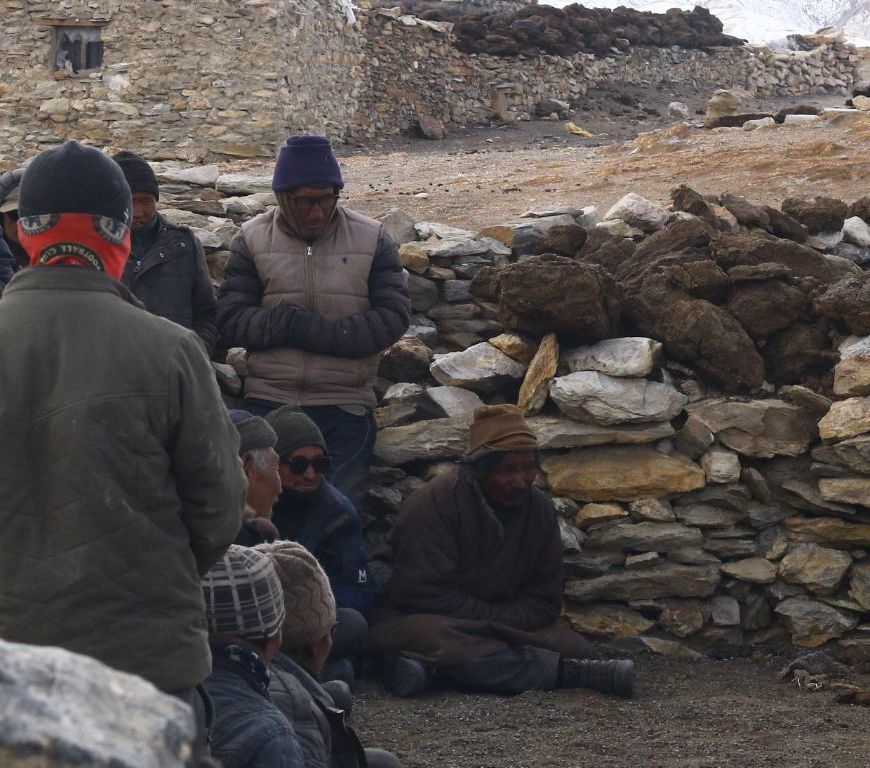
Shortlisted for the Chico Mendes Prize 2023 Lead author Munib Khanyari takes us through his team’s journey through the high altitudes of Changthang in trans-Himalayan India to co-design conservation interventions that benefit the communities who live alongside the wildlife. A video presentation about the study can also be found here. “We have solutions, but often we don’t have the ability to operationalise it”, whispered the Acho … Continue reading Research stories: Building partners in high altitudes through participatory action research

Variety is the spice of life: diverse key pollinators of British strawberry need non-crop resources

Author Edith Villa-Galaviz shares her team’s latest study exploring key pollinator species identity and behaviour for strawberry crops that can provide vital insights for improving crop yield. Fourteen years ago, a PhD student collected a large dataset on the visitation and pollen loads of the insects that visited three strawberry fields in the South West England. For various reasons, the student couldn’t publish their paper … Continue reading Variety is the spice of life: diverse key pollinators of British strawberry need non-crop resources

Rumslig och tidsmässig isolering av rapsfält minskar förekomsten av skadeinsekter och skador på grödan

Det här blogginlägget finns även på engelska här.
Fabian Boetzl berättar för oss om sin och sina kollegors forskning om landskapsbaserade strategier för att minska trycket från skadeinsekter och skador på grödor. Continue reading Rumslig och tidsmässig isolering av rapsfält minskar förekomsten av skadeinsekter och skador på grödan