Editor’s Choice 59:7 The key to seabird conservation – mitigating bycatch from industrial fisheries and eradicating invasive species

Associate Editor, Maria Paniw, introduces this month’s Editor’s Choice article by Dasnon et al., which presents some good news for seabird conservation: combined efforts of avoiding bycatch from commercial fisheries and reducing impacts of invasive species can effectively boost population sizes of vulnerable marine pelagic species. Industrial fishing activities can cause substantial damage, not only to fish stocks but also to pelagic vertebrate predators that … Continue reading Editor’s Choice 59:7 The key to seabird conservation – mitigating bycatch from industrial fisheries and eradicating invasive species

Editor’s Choice 59:6: Tree species mixing amplify forest microclimate offsets in European forests

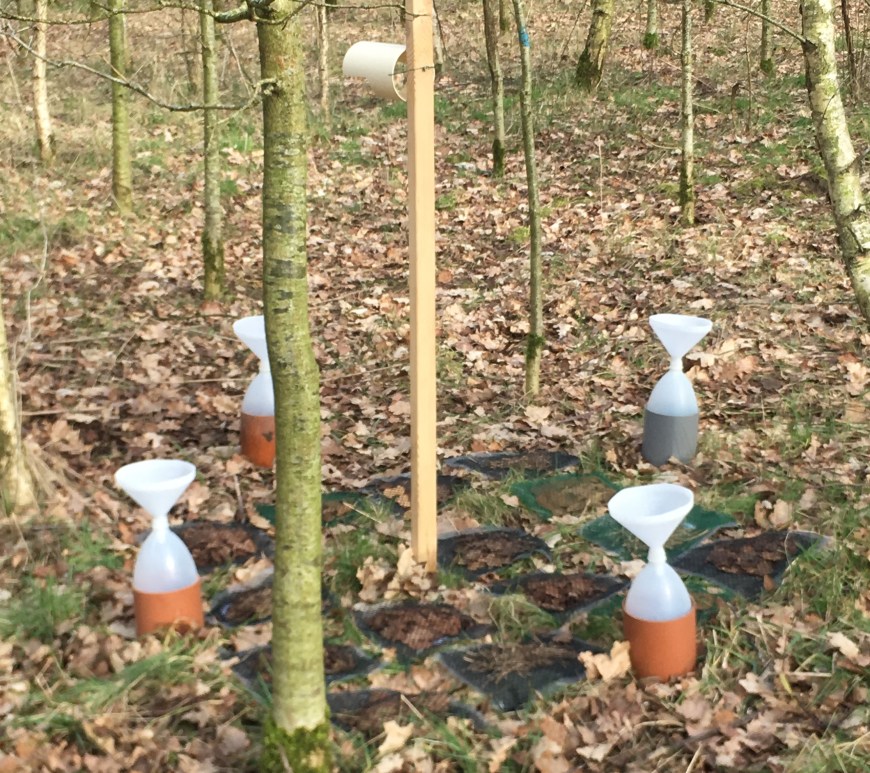
Associate Editor, Sharif Mukul, introduces this month’s Editor’s Choice article by Zhang and colleagues, which shows that microclimate offsetting depends on tree species identity and diversity, and that buffered forest microclimates can be achieved rapidly in young plantations, depending on the species being planted.  Tree canopies can significantly buffer temperature fluctuations and enhance water availability, which has the potential to mitigate the effects of macroclimate … Continue reading Editor’s Choice 59:6: Tree species mixing amplify forest microclimate offsets in European forests

Editor’s Choice 59:5: Rolling composite wildflower blocks as an alternative to wildflower strips to improve farmland biodiversity

Associate Editor, Erik Öckinger, introduces this month’s Editor’s Choice paper by Jana Eccard, which suggests that rotational wildflower blocks, where successional stages exist in parallel, could represent a novel improvement to the commonly used wildflower strips. Strips with sown wildflowers along the margins of crop fields have become a common measure to counteract the ongoing loss of farmland biodiversity in many European countries. These wildflower … Continue reading Editor’s Choice 59:5: Rolling composite wildflower blocks as an alternative to wildflower strips to improve farmland biodiversity

Editor’s Choice 59:1: Taking the road less fragmented slows disease spread

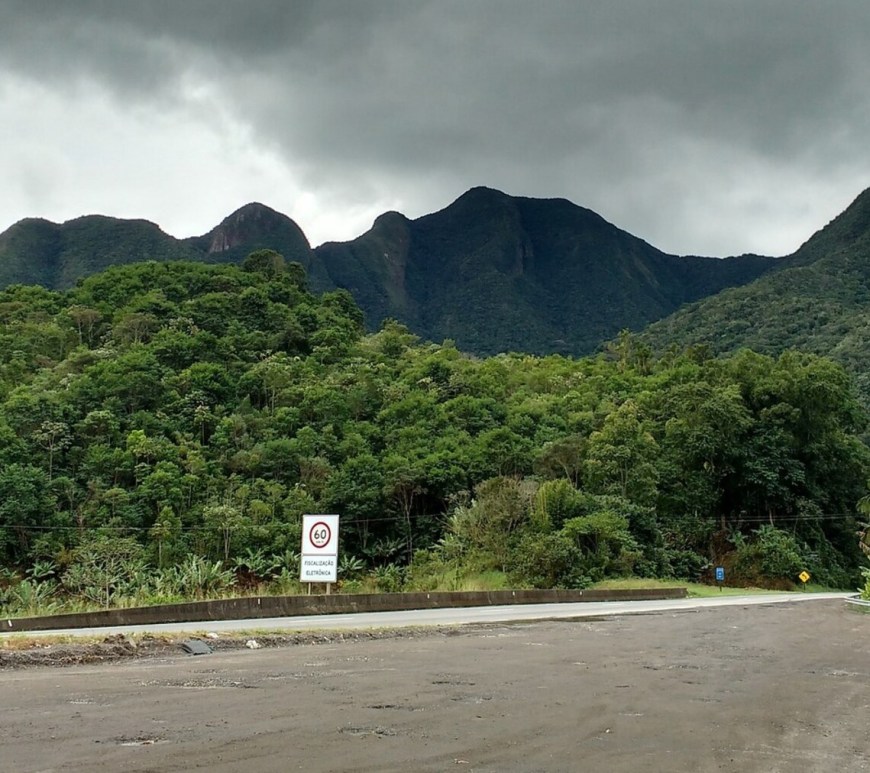
Associate Editors, Bret D Elderd and Anibal Pauchard, introduce this month’s Editor’s Choice article by Prist et al., which demonstrates that the building of roads that crisscross pristine habitat can lead to an increase in vector dispersal and Yellow Fever Virus (YFV) cases. The relationship between human and animal disease and environmental integrity has been highlighted by the recent COVID19 pandemic. However, quantitative studies on … Continue reading Editor’s Choice 59:1: Taking the road less fragmented slows disease spread

Editor’s Choice 58:11: Invasion theory as a management tool for increasing native biodiversity in urban ecosystems

Senior Editor, Martin A. Nuñez, introduces November’s Editor’s Choice article by Cadotte and colleagues, which proposes a novel application of invasion biology in an urban environment. Biological invasions are a big problem for the economy, environment, and human health. As a result, there exists a deep theoretical framework that has developed over the last four decades, fueled by data from numerous invasive species across the … Continue reading Editor’s Choice 58:11: Invasion theory as a management tool for increasing native biodiversity in urban ecosystems

ESE Editor’s Choice 2:2 – Restoring ecosystems and our well-being

Associate Editor Elizabeth Bach introduces our latest Editor’s Choice article by Patrick Swanson who calls for a new paradigm in ecosystem restoration called ‘Restorative recreation’. Ecosystem restoration seeks to reunite native plants and animals in degraded ecosystem, improving biodiversity and ecosystem functioning. Many people deeply involved in ecosystem restoration also recognize the process of learning and restoring an ecosystem deepens our understanding of the natural … Continue reading ESE Editor’s Choice 2:2 – Restoring ecosystems and our well-being

ESE Editor’s Choice 2:1 – Answering the call for evidence-based conservation science teaching

Is conservation science failing to prepare students to make an effective contribution to conservation practice? Associate Editor Costanza Rampini introduces our latest Editor’s Choice article by Downey et al. calling for a wider teaching of evidence-based conservation. Although the past 20 years have seen a huge increase in the amount of scientific information available to conservationists, conservation practitioners and land managers still too often rely … Continue reading ESE Editor’s Choice 2:1 – Answering the call for evidence-based conservation science teaching

Editor’s Choice 58:3 Eagle fatalities are reduced by automated curtailment of wind turbines

Journal of Applied Ecology’s March Editor’s Choice tests the efficacy of an automated curtailment system in reducing counts of fatalities of eagles. Associate Editor, Kulbhushansingh Suryawanshi, introduces the selected article by Chris J W McClure, which shows that this method substantially reduced eagle fatalities, offering potential opportunities to lessen the conflict between wind energy and raptor conservation. We need greener renewable energy to fight climate … Continue reading Editor’s Choice 58:3 Eagle fatalities are reduced by automated curtailment of wind turbines

ESE Editor’s Choice 1:2 – An ethical framework for using camera traps in the field

How should you react if you unintentionally capture illegal activity in photos from a wildlife camera trap? Associate Editor Dave Augeri introduces our latest Editor’s Choice article by Sharma et al. which addresses the ethics of using camera traps in wildlife research. Ethical principles are so fundamental to our work in conservation science that we often take it for granted. However, while we may naturally … Continue reading ESE Editor’s Choice 1:2 – An ethical framework for using camera traps in the field

Editor’s Choice 57:12 – Best-practice forestry management delivers diminishing returns for coral reefs with increased land-clearing

Associate Editor, Dr Kiran Dhanjal-Adams, introduces the December Editor’s Choice paper, which demonstrates that sediment runoff from industrial logging can affect food security and livelihoods in the Solomon Islands. Kolombangara is an island in the Western Province of the Solomon Islands in the South West Pacific. The island harbors a large variety of ecosystems, ranging from mangrove ecosystems at sea level to cloud forest ecosystems along the crater, … Continue reading Editor’s Choice 57:12 – Best-practice forestry management delivers diminishing returns for coral reefs with increased land-clearing