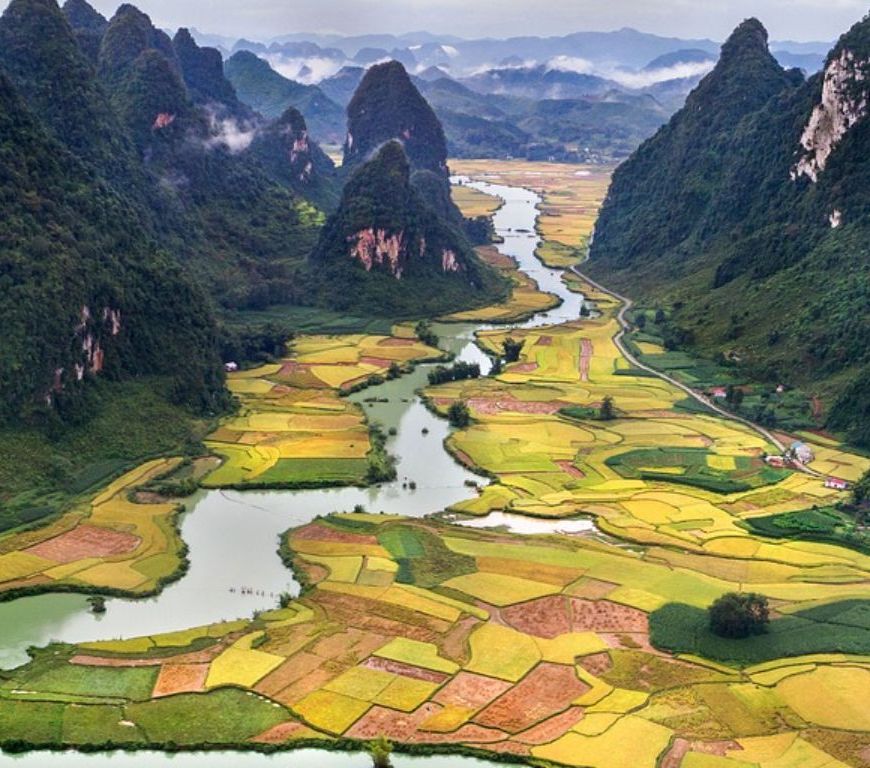
Smarter planning to bring rivers back to life

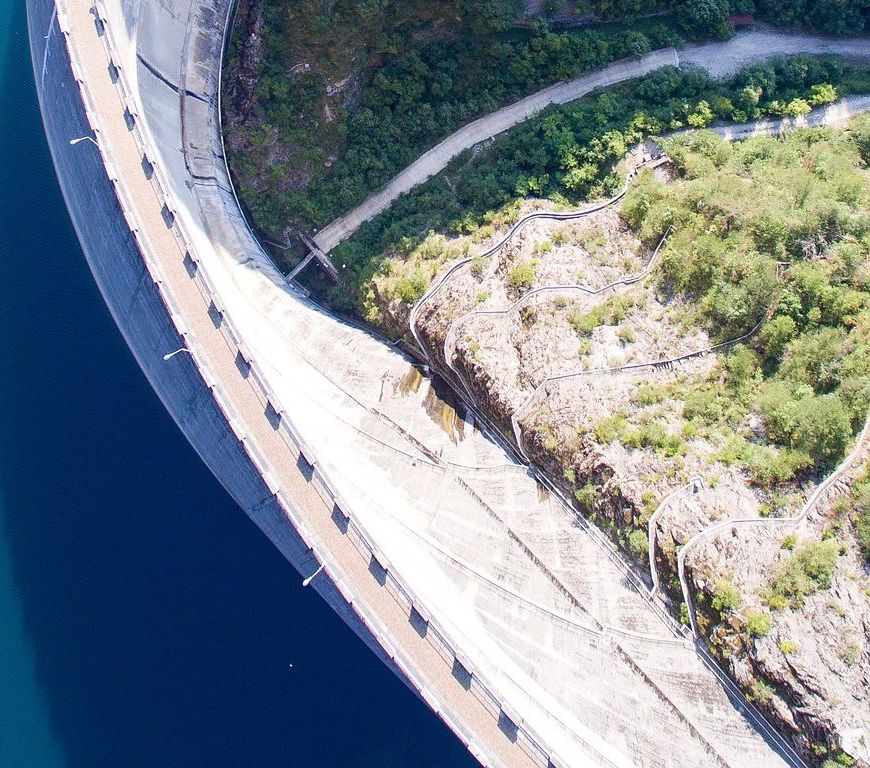
In this blog post, Virgilio Hermoso explains how to plan the recovery of longitudinal and lateral connectivity to restore free-flowing rivers in their latest study. Rivers are more than lines on a map—they are living networks. They connect mountains to coasts, nourish floodplains, and support incredible biodiversity. But over the past century, we have fragmented these systems with dams, weirs, levees and floodwalls, breaking the … Continue reading Smarter planning to bring rivers back to life

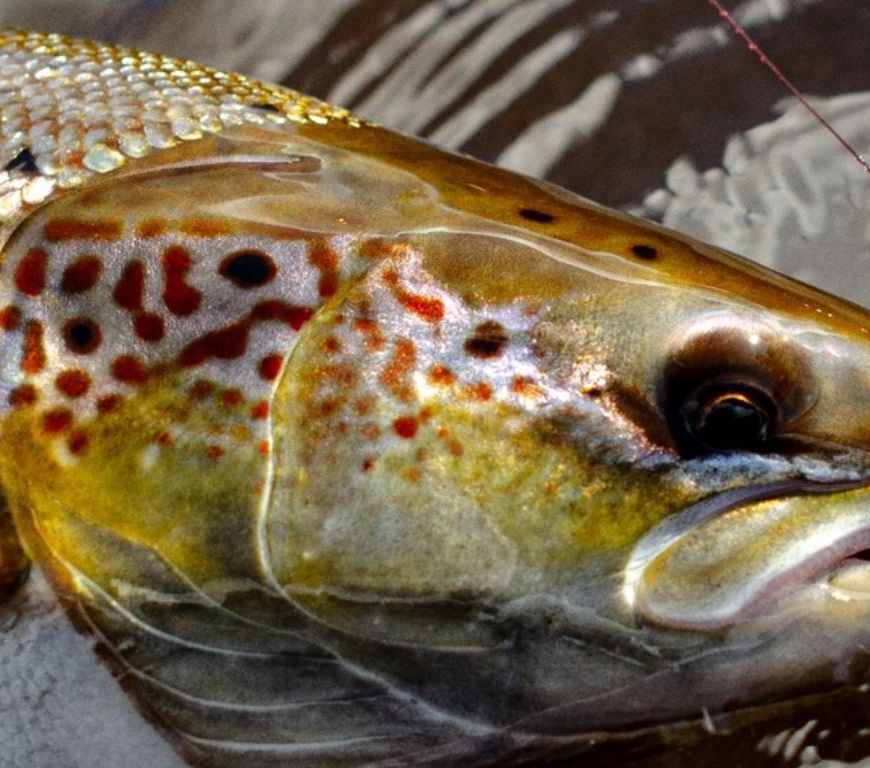
Creating innovative solutions to manage aquatic invasive species impacts

Author Sarah Kingsbury shares a new integrated management approach to better assess the effects and risks of aquatic invasive species on Atlantic salmon in Nova Scotia, Canada. Invasive species played key roles in the extinction of 60% of Earth’s plants and animals as reported by IPBES in 2023. While not all alien species introduced to new habitats become problematic (or even are able to establish … Continue reading Creating innovative solutions to manage aquatic invasive species impacts

Paving the way for the restoration of the Enobieta stream

Authors of a recently published research article discuss the ecological consequences of large dam removal through their study of instream habitat and invertebrate communities in a temperate, forested catchment in northern Spain. River restoration by dam removal During the last decades, increased awareness on the consequences of a degraded environment has led to new legislation, such as the EU Water Framework Directive or the Nature … Continue reading Paving the way for the restoration of the Enobieta stream

Learning from failure: attempted eradication of red swamp crayfish in Malta did not deliver

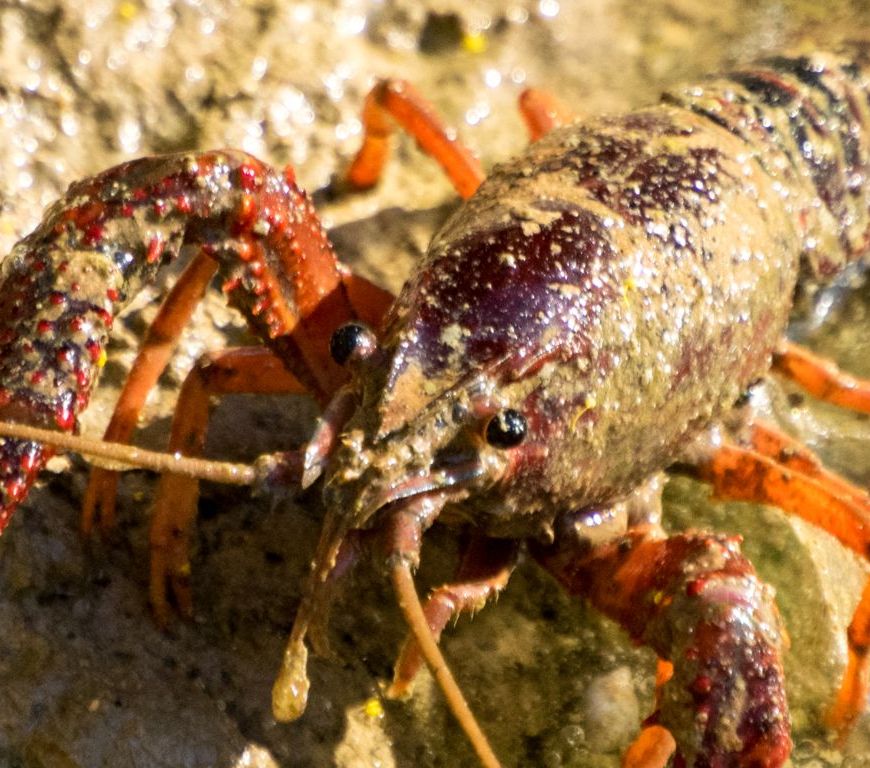
Feature image: Invasive Red swamp crayfish (Procambarus clarkii) © Alex Caruana Author Alex Caruana shares learnings from their failed attempts to eradicate invasive crayfish from the Fiddien Valley in Malta. Invasive alien crayfish, like the Red Swamp Crayfish (Procambarus clarkii), are a major threat to freshwater ecosystems all over the world. They have a significant impact on freshwater food webs, can carry diseases such as … Continue reading Learning from failure: attempted eradication of red swamp crayfish in Malta did not deliver

Chico Mendes Prize 2023: Winner announced for early career practitioner award

We’re excited to announce Molly Mitchell as the winner of the 2023 Chico Mendes Prize, celebrating the best Practice Insights article in the journal by an author at the start of their career. Winner: Molly Mitchell Article: A marsh multimodel approach to inform future marsh management under accelerating sea-level rise About the research How do you make good decisions about managing resources when those resources are … Continue reading Chico Mendes Prize 2023: Winner announced for early career practitioner award

Conservation of future marshland

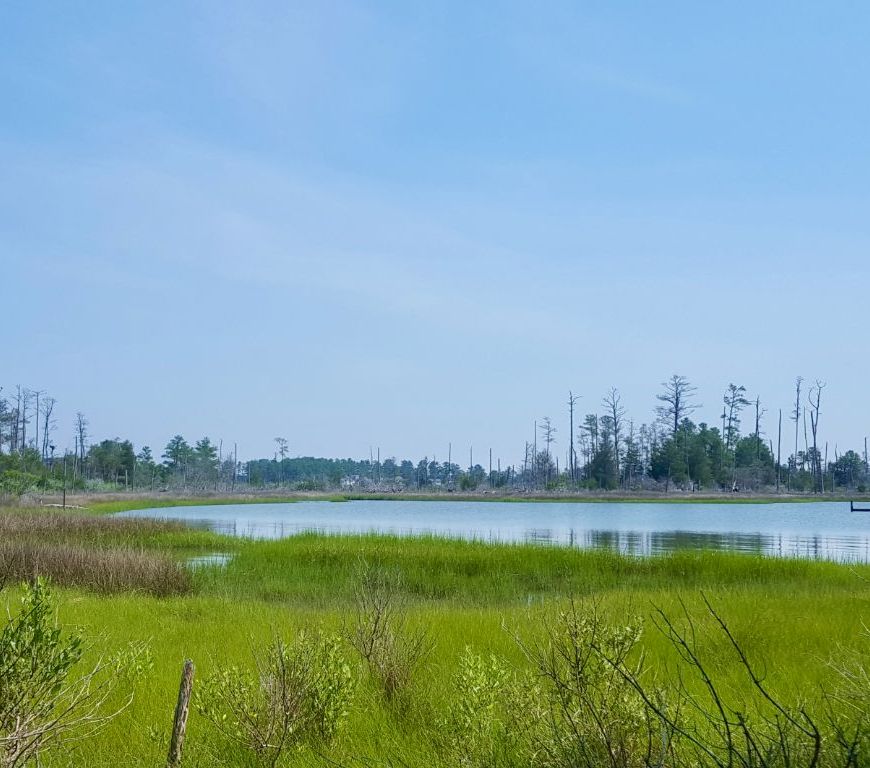
Shortlisted for the Chico Mendes Prize 2023 In this blog post, author Molly Mitchell describe her team’s Practice Insights article which demonstrates the value of using multiple models and data to inform marsh management, conservation and restoration practices. How do you make good decisions about managing resources when those resources are changing? This is the issue with which coastal managers have been struggling as sea … Continue reading Conservation of future marshland

Will fish passages alone resolve our river fragmentation problems?

Shortlisted for the Chico Mendes Prize 2023 In their latest Practice Insights article, Henry Hansen and colleagues present a case study that applies a new method to improve current fish habitat models and better guide future restoration efforts. Fragmentation has become a consistent impact in rivers as society’s need for renewable energy continues to grow. The proliferation of hydropower plants supports the world’s shared goal … Continue reading Will fish passages alone resolve our river fragmentation problems?

Blending Science and Creativity through SMART Management Objectives

Author Caleb Aldridge describes his latest Practice Insights highlighting the benefits of using SMART objectives for environmental management. The findings and conclusions in this article are those of the author and do not necessarily represent the views of the U.S. Fish and Wildlife Service. In the realm where art meets science, crafting effective natural resource and environmental management objectives mirrors the detailed process of painting, … Continue reading Blending Science and Creativity through SMART Management Objectives

Enhancing riparian protection: A call for clear objectives and measurable targets

Lenka Kuglerová, John S. Richardson, Timo Muotka, Darshanaa Chellaiah and Jussi Jyväsjärvi talk to us about their latest perspective article which suggests that locally developed and adjusted targets for riparian buffers must move away from vague objectives. A switch towards quantifiable goals that specify what is supposed to be achieved and protected will help to implement, monitor and evaluate targets. Small streams in a forestry … Continue reading Enhancing riparian protection: A call for clear objectives and measurable targets

Drought in Scotland? Projections affect specialist habitats and species

Fairlie Kirkpatrick Baird from NatureScot discusses their latest research that reveals the increasing risk of extreme drought in Scotland and how that may affect key habitats and their species. One of the first things that comes to mind when people think of Scotland, alongside the beautiful mountains and the Loch Ness Monster, is the terrible weather. Scotland is famously wet, and as Highlanders we agree … Continue reading Drought in Scotland? Projections affect specialist habitats and species