Bark beetles in boreal forests: Calm before the storm?

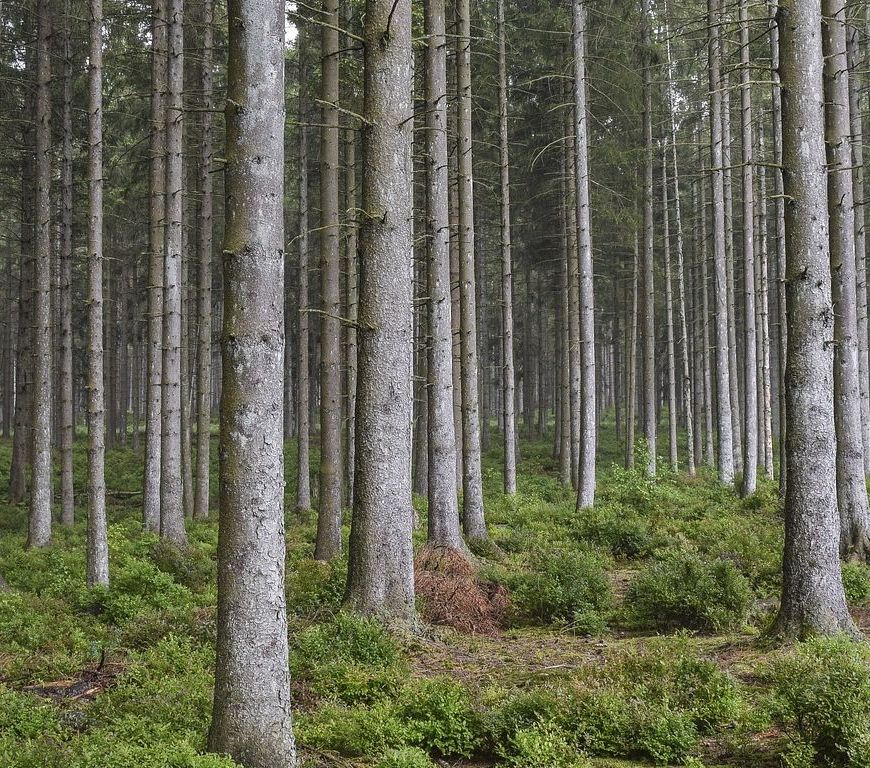
In this week’s blog post, Jostein Gohli and authors discuss their recent research which explores how climatic and management-related factors influence bark beetle population sizes in boreal forests. The European spruce bark beetle The European spruce bark beetle (Ips typographus) is a notorious tree-killer in spruce-dominated forests. The last 5-10 years it has caused enormous problems in Central Europe, killing hundreds of millions of spruce … Continue reading Bark beetles in boreal forests: Calm before the storm?

Land sparing outperforms land sharing for Amazonian bird communities regardless of surrounding landscape context

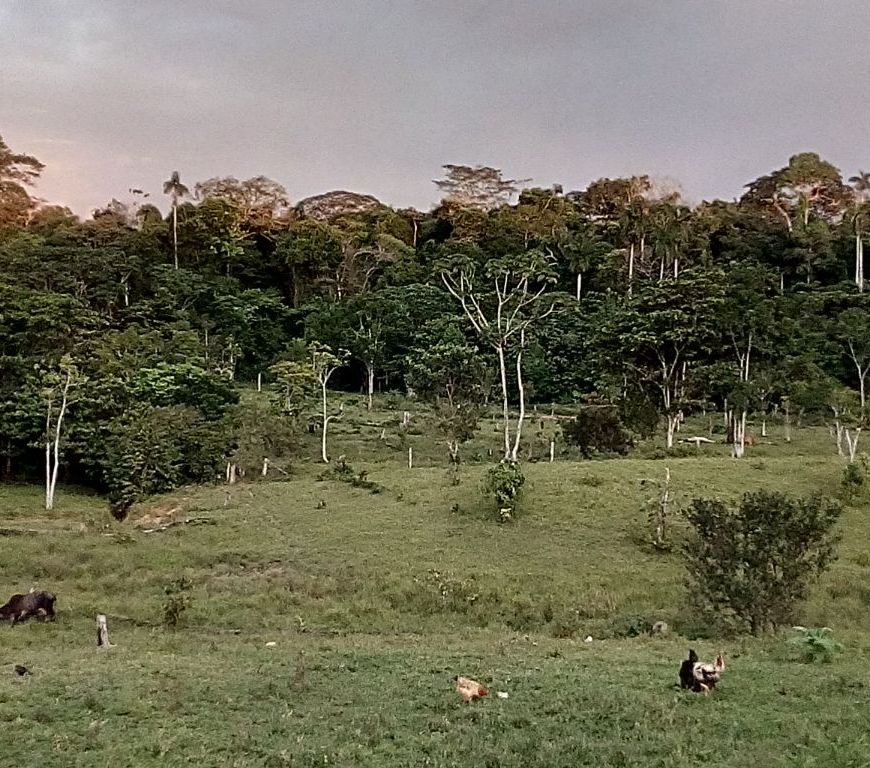
Benjamin Birch discusses the role of wildlife-friendly habitat in the wider surrounding landscape in promoting farmland diversity. Alongside colleagues, Birch modelled strategies of land sparing and land sharing under different levels of production. Background The conversion of natural habitats to agriculture is one of the greatest threats to biodiversity globally. Currently, 40% of the Earth’s land is dedicated to farming, and projections show a further … Continue reading Land sparing outperforms land sharing for Amazonian bird communities regardless of surrounding landscape context

No change in burning of peatland in Eastern Scotland’s moorlands

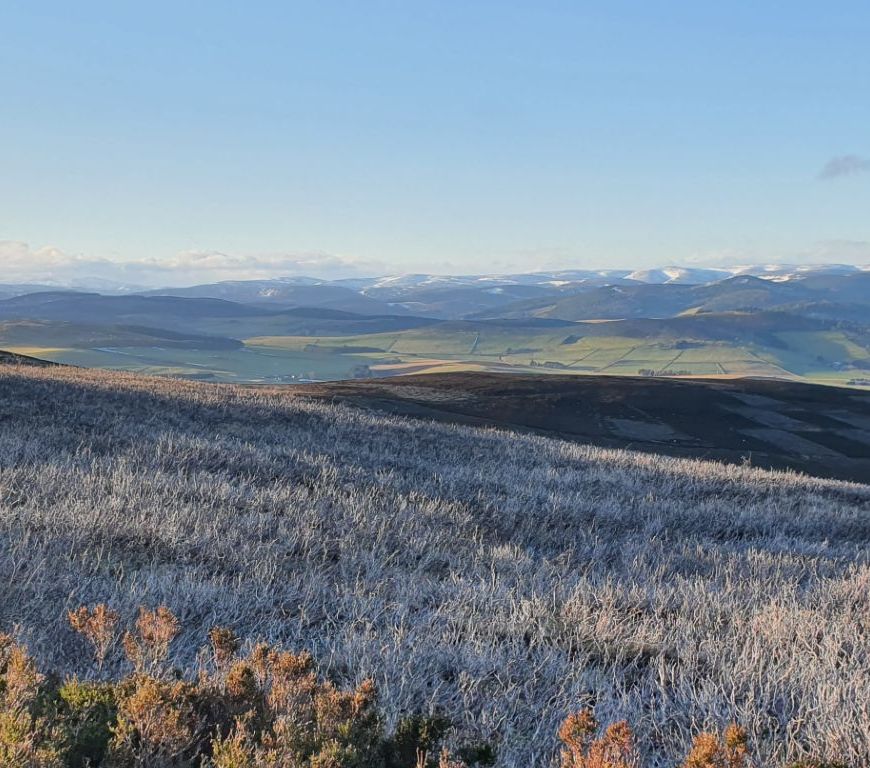
Author Benedict Spracklen used satellite imagery to better understand the impact of prescribed burning of moorland on ecosystem services. Prescribed burning has long played a role in the management of moorland, both in Scotland and across the UK. In Eastern Scotland, moorland burning (muirburn) is carried out to remove old vegetation and encourage new growth, in the belief this will help red grouse, which are … Continue reading No change in burning of peatland in Eastern Scotland’s moorlands

Georgina Mace Prize 2023: Winner announced for early career researcher award

We’re excited to announce Melanie Dickie as the winner of the 2023 Georgina Mace Prize, celebrating the best article in the journal by an author at the start of their career. Winner: Melanie Dickie Article: Applying remote sensing for large-landscape problems: Inventorying and tracking habitat recovery for a broadly distributed Species At Risk About the research For many species at risk, population declines can be traced … Continue reading Georgina Mace Prize 2023: Winner announced for early career researcher award

Southwood Prize 2023: Winner announced for early career researcher award

Journal of Applied Ecology is delighted to announce Dominic McAfee as the winner of the 2023 Southwood Prize! The award is given annually to the best article in the journal by an author at the start of their career. This year, Dominic was chosen by the Senior Editors from a strong shortlist of 12 articles.  Winner: Dominic McAfee Research: Soundscape enrichment enhances recruitment and habitat building on new oyster reef … Continue reading Southwood Prize 2023: Winner announced for early career researcher award

Restoring Landscapes: When restoration actions don’t lead to restoration outcomes

As part of the ‘Restoring Landscapes’ blog series, author Jake Williams presents a case study illustrating the value of satellite data in filling the knowledge gap on the effect of passive restoration efforts in different climatic and ecological contexts. With the launch of the ‘Restoring Landscapes’ blog series, it is a timely moment to reflect on the connection between the actions we call “restoration” and … Continue reading Restoring Landscapes: When restoration actions don’t lead to restoration outcomes

Oliver Wilson: Assessing the exposure of UK habitats to 20th- and 21st-century climate change, and its representation in ecological monitoring schemes

Shortlisted for the 2023 Southwood Prize Oliver Wilson explains how he, along with co-author Oliver Pescott, generated a metric of climate change exposure by quantifying the change in observed historical and predicted future conditions. They then compared patterns of climate change exposure in locations sampled by ecological monitoring schemes to random samples from wider habitats. Climate change and ecological monitoring We’re living in a time … Continue reading Oliver Wilson: Assessing the exposure of UK habitats to 20th- and 21st-century climate change, and its representation in ecological monitoring schemes

Aimée McIntosh: Modelling harvest of Greenland barnacle geese and its implications in mitigating human–wildlife conflict

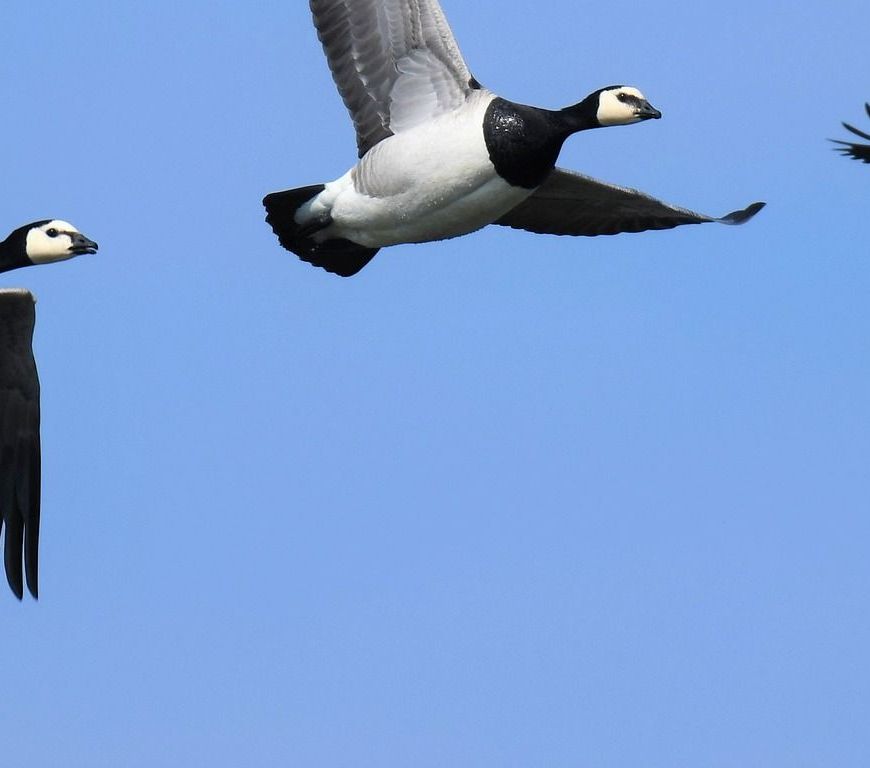
Shortlisted for the 2023 Southwood Prize Aimée McIntosh talks us through how she and colleagues constructed an integrated population model to assess the cumulative impact of all shooting harvest on the Greenland barnacle goose. Findings demonstrate the impact of local harvests on global abundance, emphasising the importance of internationally coordinated monitoring and management strategies of migratory species. From conservation success to conflict Unlike many migratory … Continue reading Aimée McIntosh: Modelling harvest of Greenland barnacle geese and its implications in mitigating human–wildlife conflict

Elizabeth Tinsley: Bats are avoiding solar sites

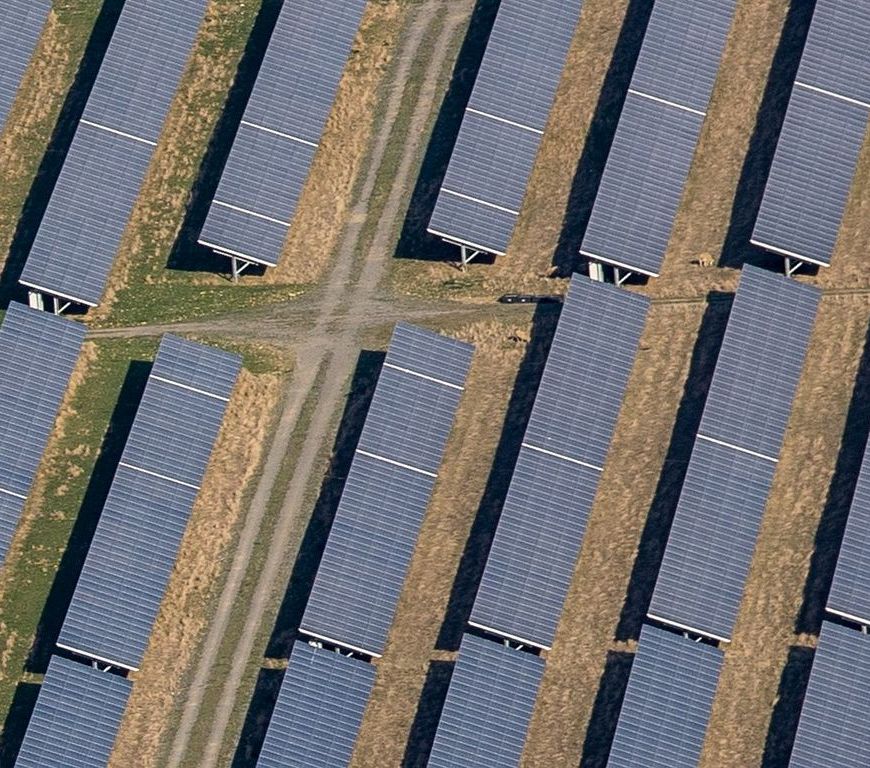
Shortlisted for the 2023 Southwood Prize Elizabeth Tinsley talks us through how she and colleagues conducted a paired study at 19 ground-mounted solar PV developments in southwest England. Through the use of static detectors to record bat echolocation calls and the development of generalised linear mixed-effect models, it was determined that ground-mounted solar photovoltaic developments have a significant negative effect on bat activity. Bats and … Continue reading Elizabeth Tinsley: Bats are avoiding solar sites

Lucien Besnard: Mercury isotope clocks predict coastal residency and migration timing of hammerhead sharks

Shortlisted for the 2023 Southwood Prize Lucien Besnard reflects on how he and colleagues used mercury isotopes, within the framework of isotopic clocks, to provide a more precise assessment of hammerhead shark movement. As a result, this method may be used as a complementary tool for stock management through predicting the timing of animal migration – a key aspect in the conservation of marine taxa. … Continue reading Lucien Besnard: Mercury isotope clocks predict coastal residency and migration timing of hammerhead sharks