SolBeePop: A model of solitary bee populations in agricultural landscapes

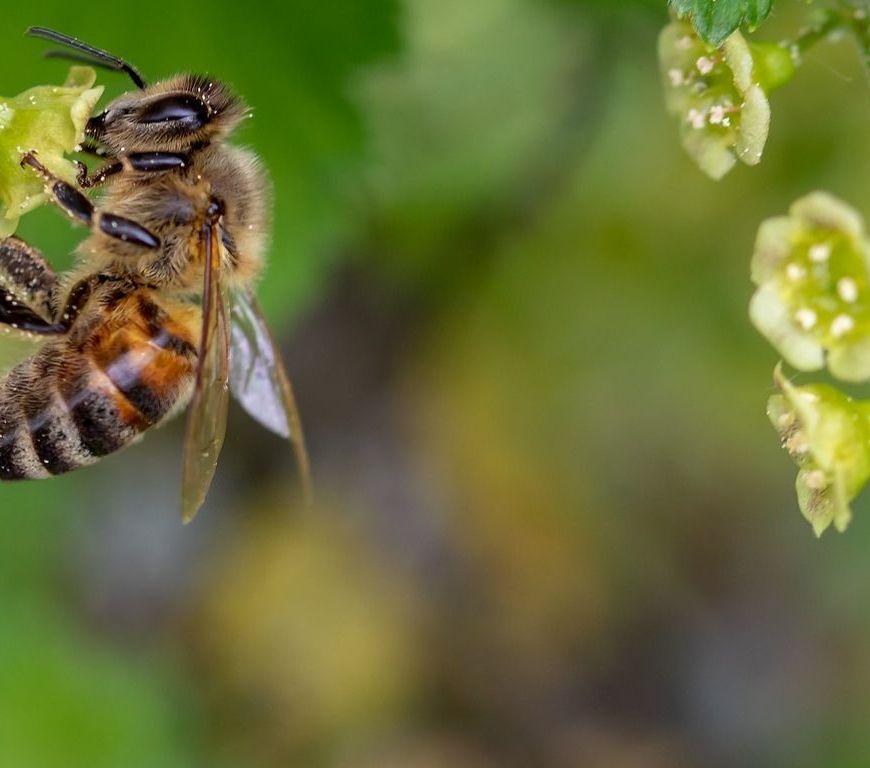
Amelie Schmolke discusses recent work, conducted alongside colleagues, which involved the development of a trait-based model for solitary bees. Schmolke et al were able to model management scenarios and possible outcomes for bee species with incomplete trait data. An introduction to bees When thinking about bees, people often think of the honey bee. But there are over 20,000 species of bees in the world, most … Continue reading SolBeePop: A model of solitary bee populations in agricultural landscapes

Variety is the spice of life: diverse key pollinators of British strawberry need non-crop resources

Author Edith Villa-Galaviz shares her team’s latest study exploring key pollinator species identity and behaviour for strawberry crops that can provide vital insights for improving crop yield. Fourteen years ago, a PhD student collected a large dataset on the visitation and pollen loads of the insects that visited three strawberry fields in the South West England. For various reasons, the student couldn’t publish their paper … Continue reading Variety is the spice of life: diverse key pollinators of British strawberry need non-crop resources

Umo  kumala kwankholongo kukhwaskira mabutterfly muvigawa vya mu AFrica – Kasi walimi wachokowachoko wangaovwira kuwezgera, kupwerelera mabutterfly

Cassandra Vogel na Vera Mayer, wafumiska kafuku-fuku wawo mwasonosono wakulongola kuchepa kwa malo yakukhalamo wabulawula mu Malawi. Wakughanaghana vyakusambizga walimi wachoko-wachoko kuti wasazgileko kulima mbewu za mitundu yinandi izo zikufumiska maluwa.Kweniso kuwoneskeska kuti wachitenge,panyakhe walimenge nthowa izo zikuwezgelengemo nyata mudongo. Continue reading Umo  kumala kwankholongo kukhwaskira mabutterfly muvigawa vya mu AFrica – Kasi walimi wachokowachoko wangaovwira kuwezgera, kupwerelera mabutterfly

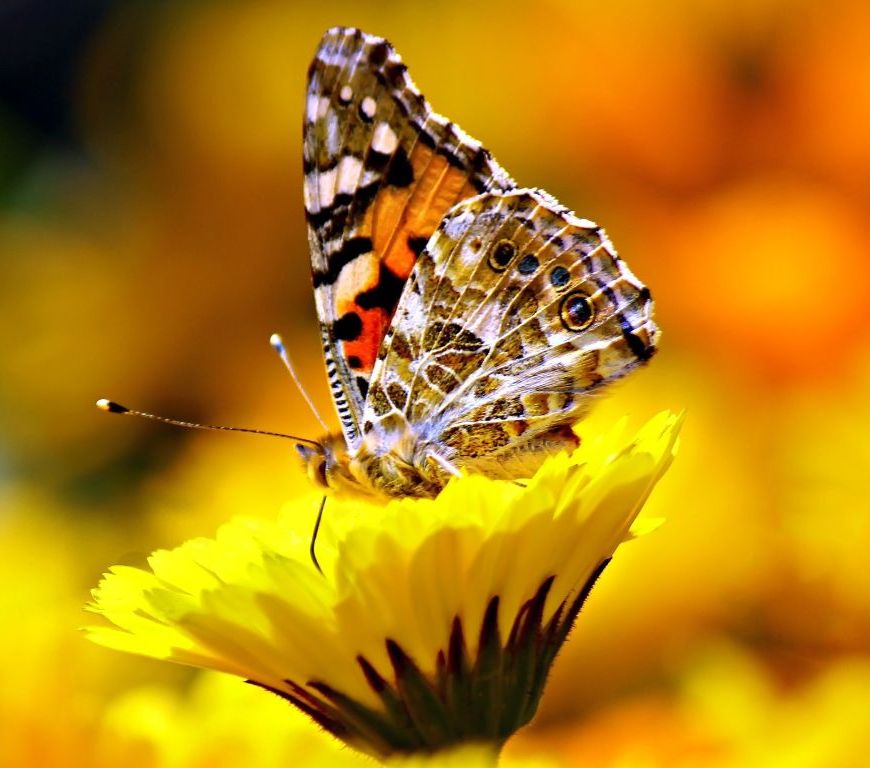
Woodland loss impacts butterfly communities in Africa – can smallholder farmers help conserve them?

Cassandra Vogel and Vera Mayer present their latest research into the effects of habitat loss on butterflies in Malawi, suggesting that encouraging smallholders to increase the diversity of flowering crops and implement sustainable soil practices is needed. Continue reading Woodland loss impacts butterfly communities in Africa – can smallholder farmers help conserve them?

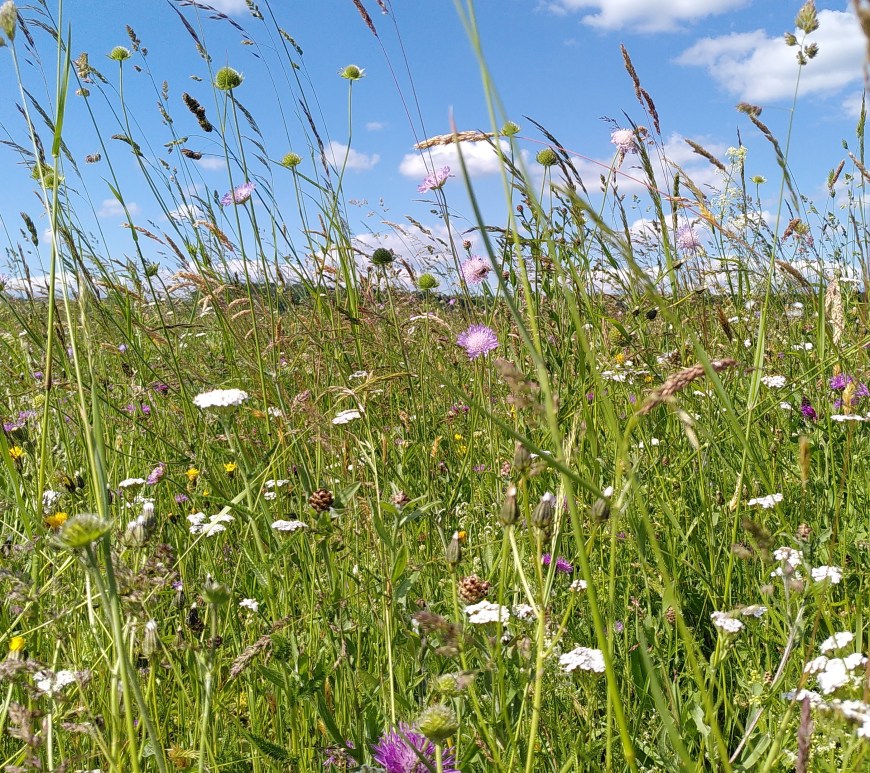
Corina Maurer: Different types of semi-natural habitat are required to sustain diverse wild bee communities across agricultural landscapes

Shortlisted for the Southwood Prize 2022 Corina Maurer talks us through her and colleagues’ research on how different kinds of habitats are able to maintain a diverse bee community throughout agricultural landscapes. Habitats and bees Open habitat mosaics, such as grasslands interspersed with hedgerows that existed more than 150 years ago, were home to very diverse wild bee communities. But, the once so diverse and … Continue reading Corina Maurer: Different types of semi-natural habitat are required to sustain diverse wild bee communities across agricultural landscapes

Smart orchard design improves crop pollination

In their new research article, Mina Anders (University of Göttingen, Germany) and colleagues compared the effects of agronomic practices, including agronomic inputs (irrigation and managed honey bees), orchard design without external inputs (spatial orchard structure), and landscape factors on nut production in South African macadamia orchards. The need for sustainable agricultural practices Conventional agricultural intensification causes biodiversity loss and environmental degradation. To reduce these impacts, … Continue reading Smart orchard design improves crop pollination

Seasonal progression and differences in major floral resource use by bees and hoverflies in a diverse horticultural and agricultural landscape revealed by DNA metabarcoding

In their new study, Abigail Lowe and colleagues discuss why we need to know which pollinators use which plants in which seasons throughout the year, so that we can support them effectively. In the last few years, we have seen an immense increase in public support for pollinators with many choosing to buy pollinator-friendly plants for their garden. However, even with these good intentions, it’s … Continue reading Seasonal progression and differences in major floral resource use by bees and hoverflies in a diverse horticultural and agricultural landscape revealed by DNA metabarcoding

The Disproportionate Value of ‘Weeds’ to Pollinators and Biodiversity

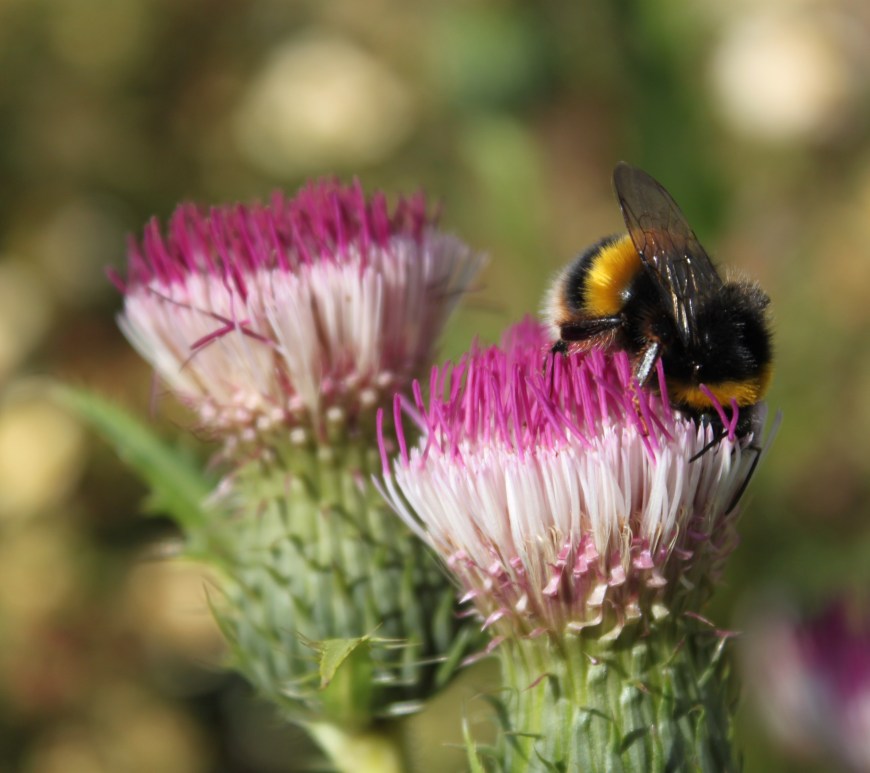
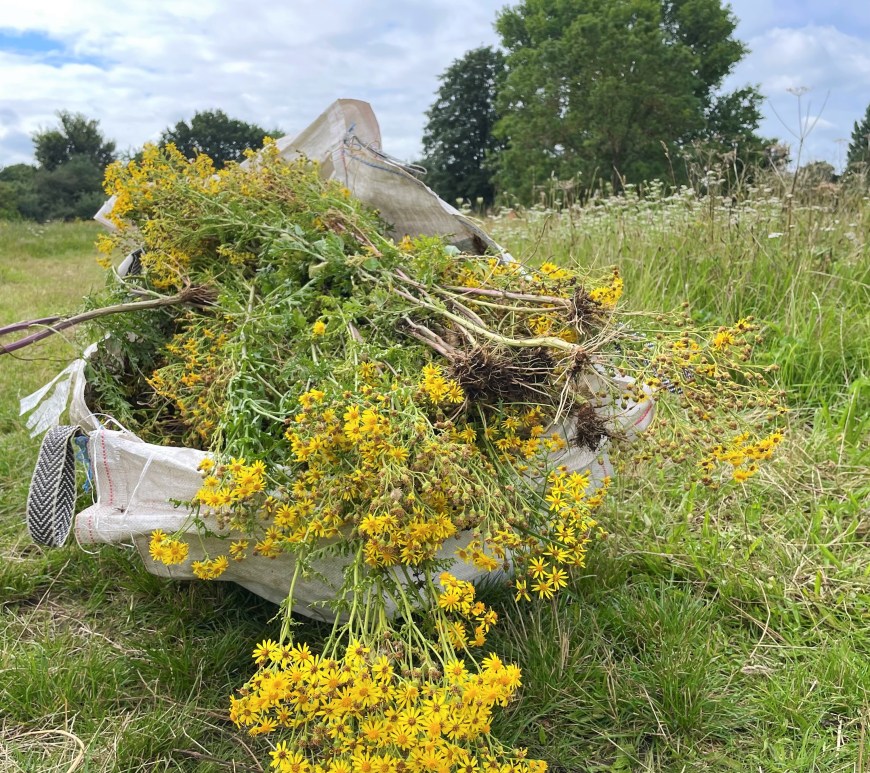
In their latest research, Nicholas Balfour and Francis Ratnieks use multiple datasets to compare the biodiversity value of the plant species classified as ‘injurious weeds’ by the UK’s 1959 Weeds Act, with those species stipulated by DEFRA for pollinator targeted agri-environmental options. In the UK, five species of native wildflowers are classified as “injurious weeds” in the 1959 Weeds Act. Three of them are frequently … Continue reading The Disproportionate Value of ‘Weeds’ to Pollinators and Biodiversity

Beneficial arthropod abundance assessed by sweep-netting is negatively associated with landscape-wide insecticide use

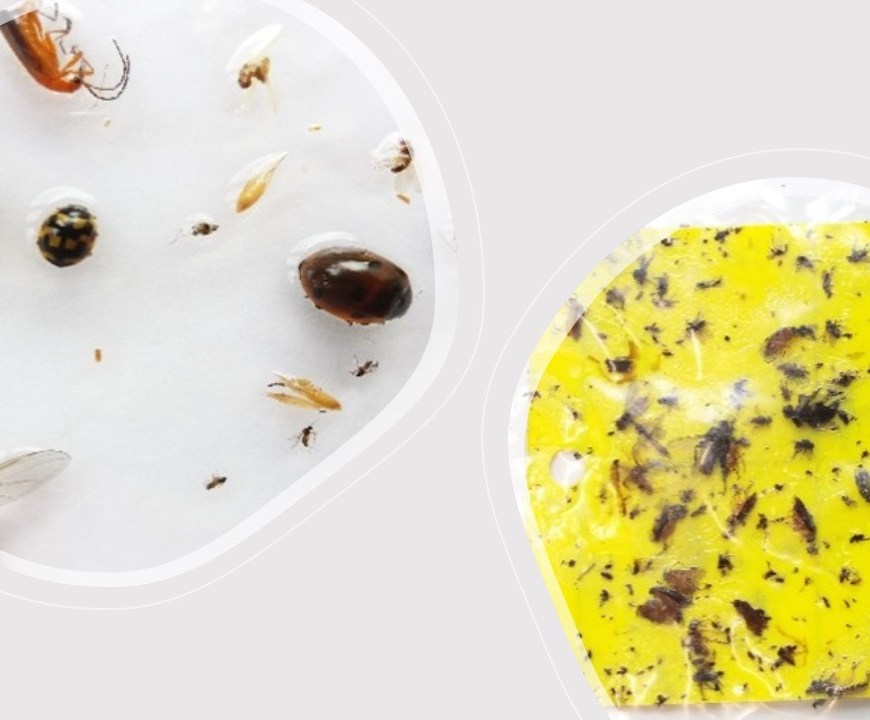
In a new study, Bakker, Bianchi and van der Werf assess how the use of insecticides and semi-natural landscapes impact beneficial arthropods in the Netherlands. Beneficial arthropods, like predators, parasitoids and pollinators, provide important ecosystem services such as biological pest control and pollination, and are therefore vital for ecosystem health and global food production. However, concerns have risen on the widespread decline of arthropods — … Continue reading Beneficial arthropod abundance assessed by sweep-netting is negatively associated with landscape-wide insecticide use

Knowing where your coffee comes from has the potential to aid restoration efforts 

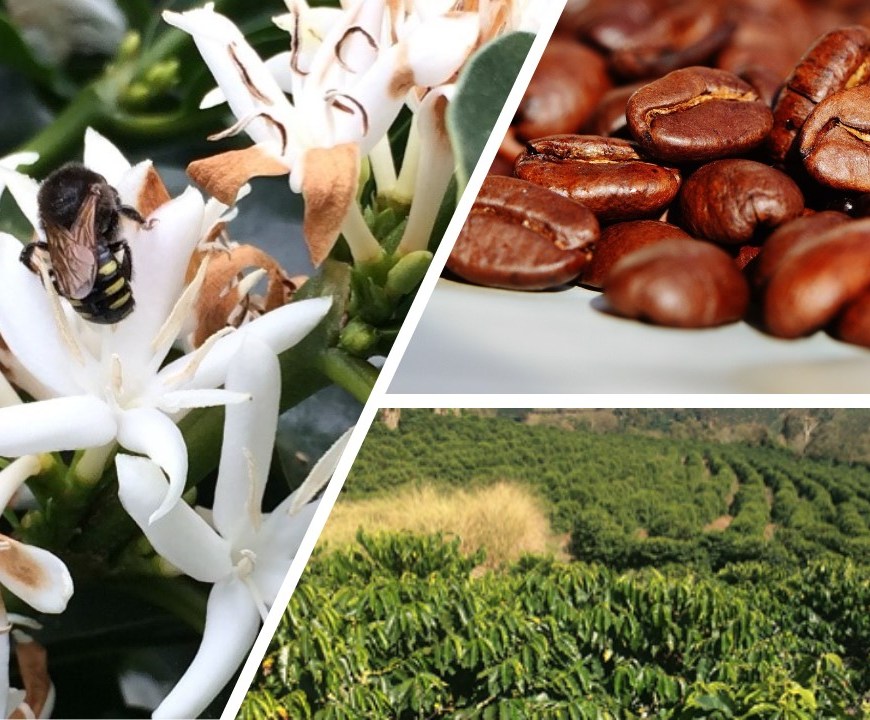
In a new study, González-Chaves and colleagues assessed pollination benefits at a national scale by identifying where pollination services are more likely to be provided by native bees as a result of forest conservation. Coffee is a highly traded crop, which is produced in the tropics and enjoyed across the globe. Like most crops, coffee benefits from pollination services. However, this is rarely considered by … Continue reading Knowing where your coffee comes from has the potential to aid restoration efforts