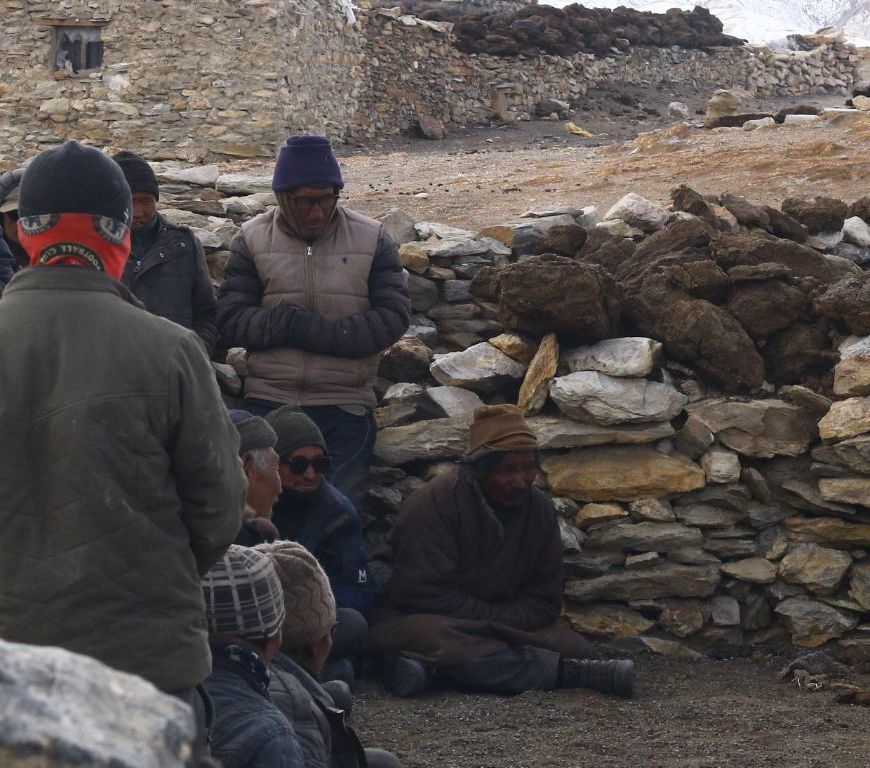
Research stories: Building partners in high altitudes through participatory action research

Shortlisted for the Chico Mendes Prize 2023 Lead author Munib Khanyari takes us through his team’s journey through the high altitudes of Changthang in trans-Himalayan India to co-design conservation interventions that benefit the communities who live alongside the wildlife. A video presentation about the study can also be found here. “We have solutions, but often we don’t have the ability to operationalise it”, whispered the Acho … Continue reading Research stories: Building partners in high altitudes through participatory action research

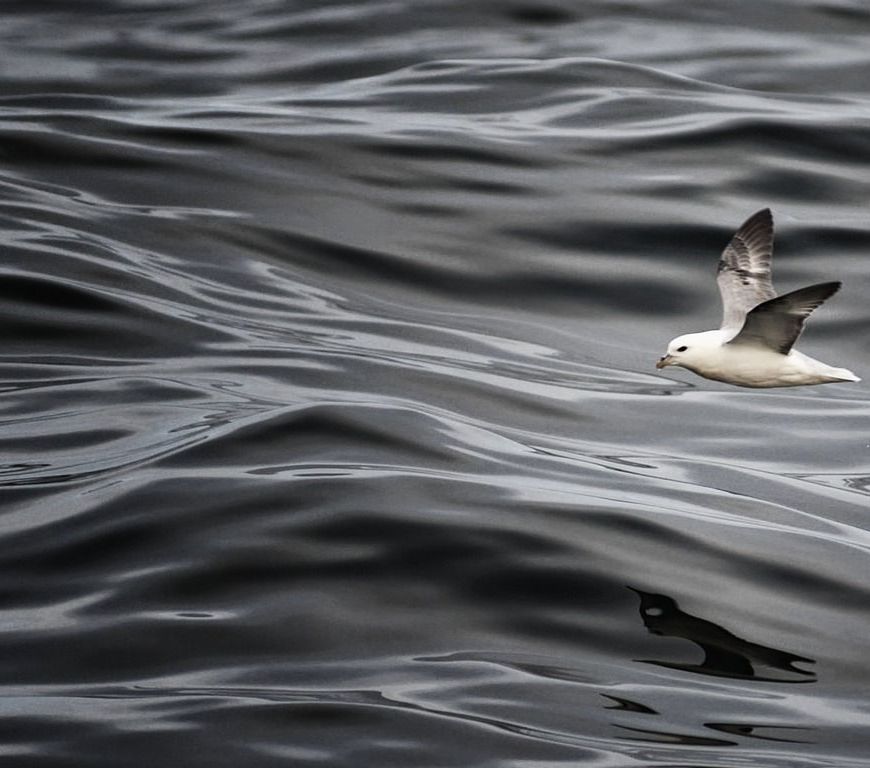
Implementing expert knowledge of seabird ecology in the Canadian Arctic with fuzzy cognitive mapping

Author Jennifer Provencher shares her team’s latest study that trials a novel tool that helps factor the multiple stressors to seabirds in the Canadian Arctic identified by experts into a graphical ‘cognitive map’. Wildlife populations are commonly subject to multiple, interacting stressors (e.g. pollution, climate change), which makes predicting the outcomes of management actions and identifying priorities a challenge. In data-poor locations like the Arctic, … Continue reading Implementing expert knowledge of seabird ecology in the Canadian Arctic with fuzzy cognitive mapping

Rewild or Restore – how about doing both?

James Bullock and Nathalie Pettorelli summarise their Perspective piece that highlight the potential for integrating restoration and rewilding agendas into whole landscape approaches. As biodiversity continues to decline at an alarming pace, it is becoming more urgent to not only halt these losses but to reverse them. This reversal of losses, now commonly termed ‘nature recovery’, generally requires improving the state of terrestrial and aquatic … Continue reading Rewild or Restore – how about doing both?

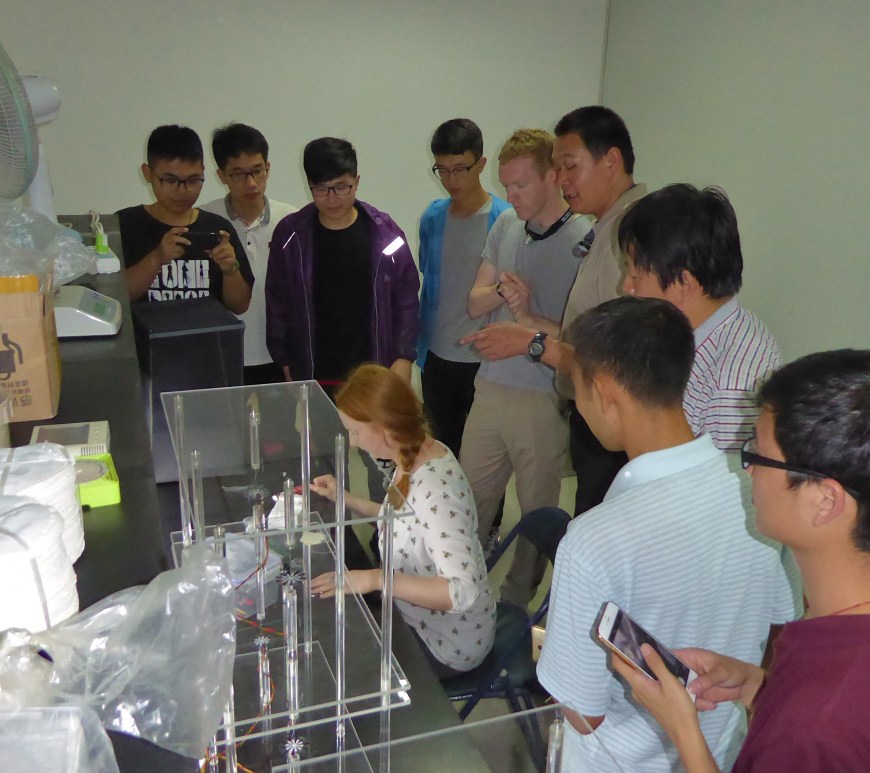
Cheap microclimate sensor networks in the wild

Shortlisted for the Georgina Mace Prize 2023 Author Lina K. Mühlbauer summarises her team’s latest study exploring the use of Arduinos as a novel cost-effective method for microclimate monitoring in remote systems. Why measure microclimate? A great challenge of our times is to predict and mitigate the impacts of global climate change on the world’s ecosystems. To do so, a lot of information is needed … Continue reading Cheap microclimate sensor networks in the wild

The value of capturing diverse perspectives during threatened species decision-making

Mairi Hilton discusses new research in which she and colleagues developed and tested a structured approach to capture the expert knowledge of recovery teams when deciding if, when and how to act to manage a decline in a threatened species. Background When making decisions about threatened species, managers must often use incomplete data, because the urgency of decisions means that waiting for perfect information is … Continue reading The value of capturing diverse perspectives during threatened species decision-making

Resolving a heated debate: How useful is prescribed burning for lowland heaths?

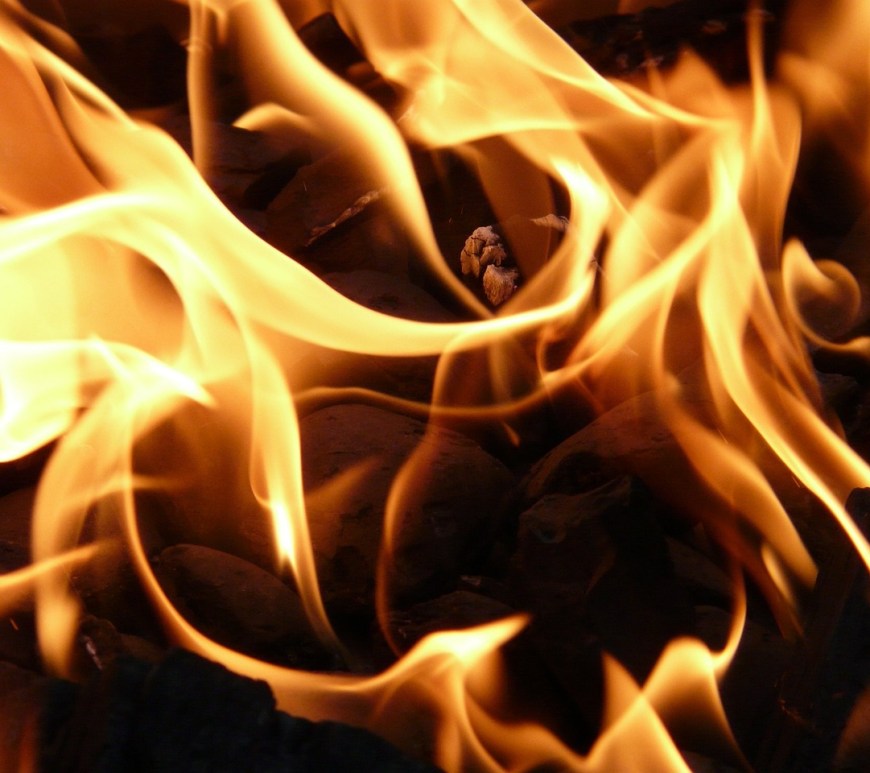
Prescribed burning is a controversial management tool. Here, Barbara Smith discusses new research she and colleagues conducted into the impact of burning on lowland heaths at three trophic levels over a 20 year period. Its findings provide evidence for ecologists, land managers and policy makers to support decision making in protected area management. Background Lowland heathlands, with their unique assemblage of species, were created by … Continue reading Resolving a heated debate: How useful is prescribed burning for lowland heaths?

ECR Journeys: Treescapes for People and Nature 

This month, The Applied Ecologist is amplifying the voice of early career ecologists from around the world working in the field of applied ecology to help inspire the next generation. In this post, Melissa Minter, Conservation Scientist within the RSPB Centre for Conservation Science, shares their story below.    My background In my spare time, I love to play board games, (the favourite is Wingspan, of … Continue reading ECR Journeys: Treescapes for People and Nature 

Research stories: Using accelerometers to uncover wildlife behaviour

How can we study wildlife behaviours associated with disease transmission without altering those behaviours ourselves, via our presence? Authors Van de Vuurst and Alexander share their latest Practice Insights that explore a new method to overcome this problem. Wildlife research is a job made of calluses, sweat and patience. From sample gathering along stream banks to telemetry surveys across frozen tundra, all wildlife professionals are … Continue reading Research stories: Using accelerometers to uncover wildlife behaviour

What is the impact of publishing in Ecological Solutions and Evidence?

At the end of June 2023, Ecological Solutions and Evidence received its first Journal Impact Factor (JIF), and this served as a good moment in the journal’s developmental journey to reflect on what impact our published articles have had in our first three years. On 28th June 2023, Clarivate unveiled their annual Journal Citation Reports, which aims to support research integrity and promote accurate evaluation … Continue reading What is the impact of publishing in Ecological Solutions and Evidence?