Unravelling the natural pollinating agents of cacao

Pollination services of cacao are crucial for global chocolate production, yet remain critically understudied. Author Justine Vansynghel describes her team’s latest research that seeks to develop a greater understanding of how agroforests of this crop tree can be better managed. Cacao is a crop tree native to the amazon basin with a longstanding cultivation history throughout the tropical realm. The crop tree is understandably of … Continue reading Unravelling the natural pollinating agents of cacao

Old data, new tools: Using random forest modelling to reveal multi-species habitat associations from spoor data

In their new study, Searle, Kaszta, and co-authors from Botswana, Zimbabwe, Germany, the UK, and the US discuss how machine learning can be used to disentangle multi-species habitat relationships and inform conservation planning over large areas. The importance of policy and governance in preserving wildlife areas has historically meant that conservation has been restricted to efforts within country borders. This approach is at odds with … Continue reading Old data, new tools: Using random forest modelling to reveal multi-species habitat associations from spoor data

Home is where the heat is: Thermoregulation of European bats inhabiting artificial roosts and the threat of heat waves

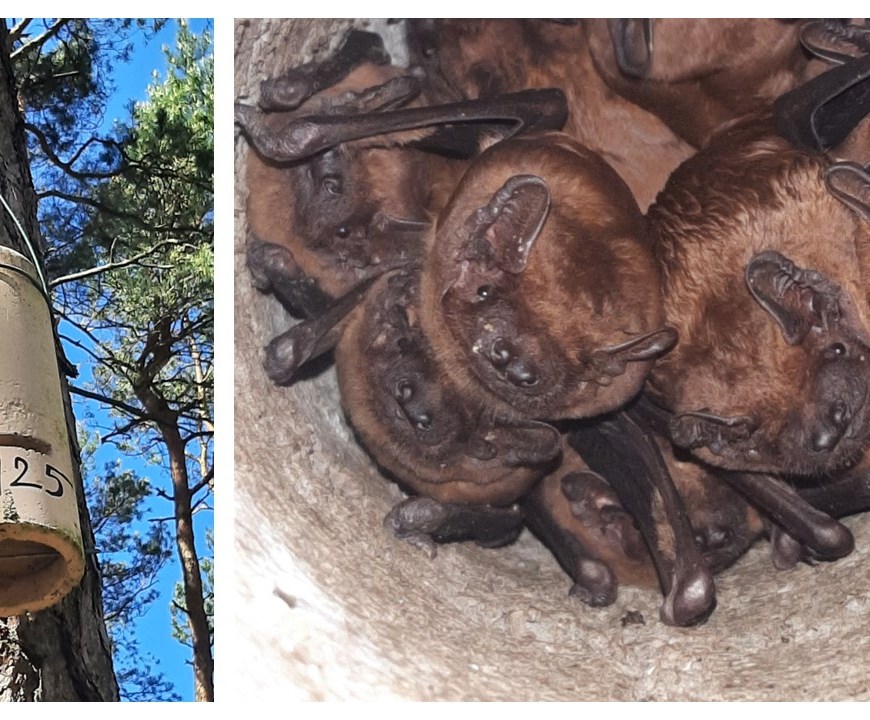
In their new study, Czenze and colleagues demonstrate the importance of placing bat boxes in diverse locations to provide varied roost microclimates. There are over 1400 species of bats on the planet that live in a wide variety of roosts, including caves, buildings, and trees. Many bat species are threatened by climate change and habitat destruction, and this is particularly true for forest bats. Due … Continue reading Home is where the heat is: Thermoregulation of European bats inhabiting artificial roosts and the threat of heat waves

Habitat availability alters the relative risk of a bovine tuberculosis breakdown in the aftermath of a commercial forest clearfell disturbance

In their new study, Murphy et al. discuss the relationship between human modification of landscapes and zoonotic disease emergence and spread, through their case study of bovine tuberculosis in Ireland. The interconnectedness of ecosystems is one of the most endearing facets of landscape ecology. Yet, it presents the biggest challenge for applied ecologists seeking to understand the cause and effect of ecosystem modification. Changes to … Continue reading Habitat availability alters the relative risk of a bovine tuberculosis breakdown in the aftermath of a commercial forest clearfell disturbance

Apparently stable albatross population is actually decreasing due to mouse predation

Conservation organisations struggle to directly assist all threatened species, so deciding where to spend limited resources is a common problem. In a new paper, Oppel and colleagues show that, for long-lived species, a population may decrease long before this trend becomes evident in the part of the population that can be counted. Albatrosses are among the largest flying birds in the world, and they can … Continue reading Apparently stable albatross population is actually decreasing due to mouse predation

Karuk traditional ecological knowledge enhances elk habitat in Northern California

In their new article, Connor et al. discuss how prescribed forest burning that uses Karuk traditional ecological knowledge can have significant benefits for elk habitat. In a Northern California landscape increasingly plagued by severe wildfire, cultural burning, prescribed fire and forest management principles put into practice for generations by Karuk Tribal members are being brought back to restore fire adapted landscapes. Our research shows that … Continue reading Karuk traditional ecological knowledge enhances elk habitat in Northern California

De Frenne & Vangansbeke: How dogs fertilize nature reserves and woodlands close to cities

Research by De Frenne et al. published earlier this year revealed that dogs excrements contribute a significant amount of nutrients to nature reserves and warned of their potential negative impact on local biodiversity. Here, the authors respond to the international media coverage and the subsequent questions and comments they have received since their study went global. We recently published an article in Ecological Solutions and … Continue reading De Frenne & Vangansbeke: How dogs fertilize nature reserves and woodlands close to cities

A quantitative feasibility assessment for translocating highly mobile, endangered species

Using long-term data, IPMs, & expert judgement, Fischer et al. demonstrate how translocation feasibility can be assessed quantitatively and transparently for endangered, philopatric, and highly mobile species, such as Kuaka. Kuaka, or Whenua Hou Diving Petrels, are in dire straits. The population of this Critically Endangered seabird is estimated at ~200 adults. Kuaka occupy the smallest breeding area of any bird species in Aotearoa New … Continue reading A quantitative feasibility assessment for translocating highly mobile, endangered species

Harnessing drainage canals for biodiversity conservation

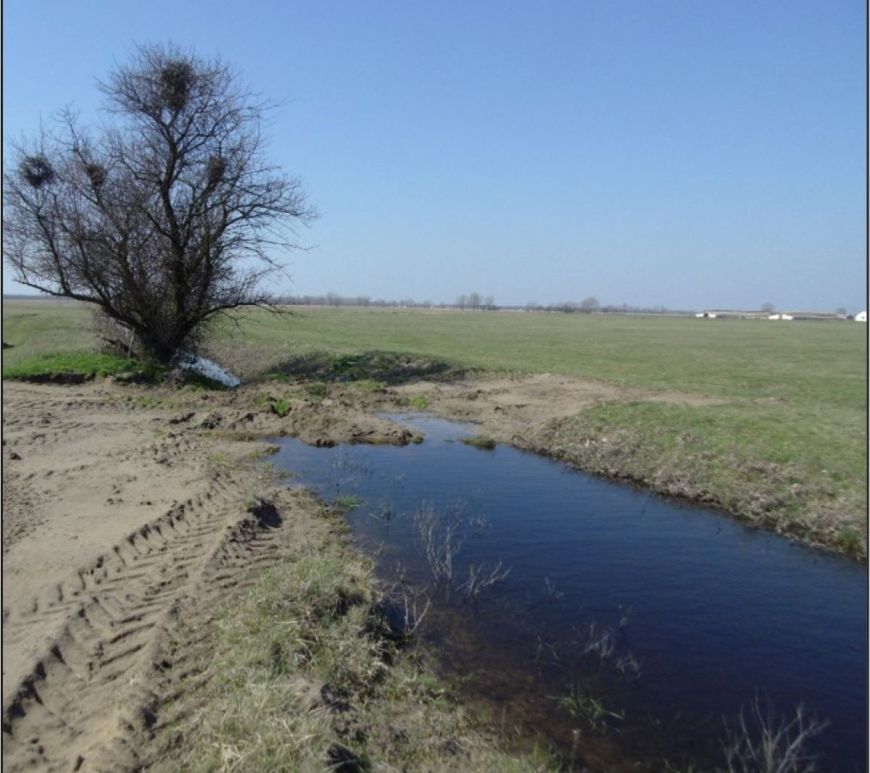
A new paper led by Csaba Tölgyesi from the University of Szeged, Hungary, shows that drainage canals can be harnessed for biodiversity conservation in desiccated, heavily transformed regions by reconciling the interests of opposing stakeholders. Drainage and subsequent land cultivation have been a major threat to global wetland ecosystems for centuries. In Europe, most lowland fens have been drained; approximately 25% of the arable land … Continue reading Harnessing drainage canals for biodiversity conservation

Optimizing disease management in an endangered carnivore

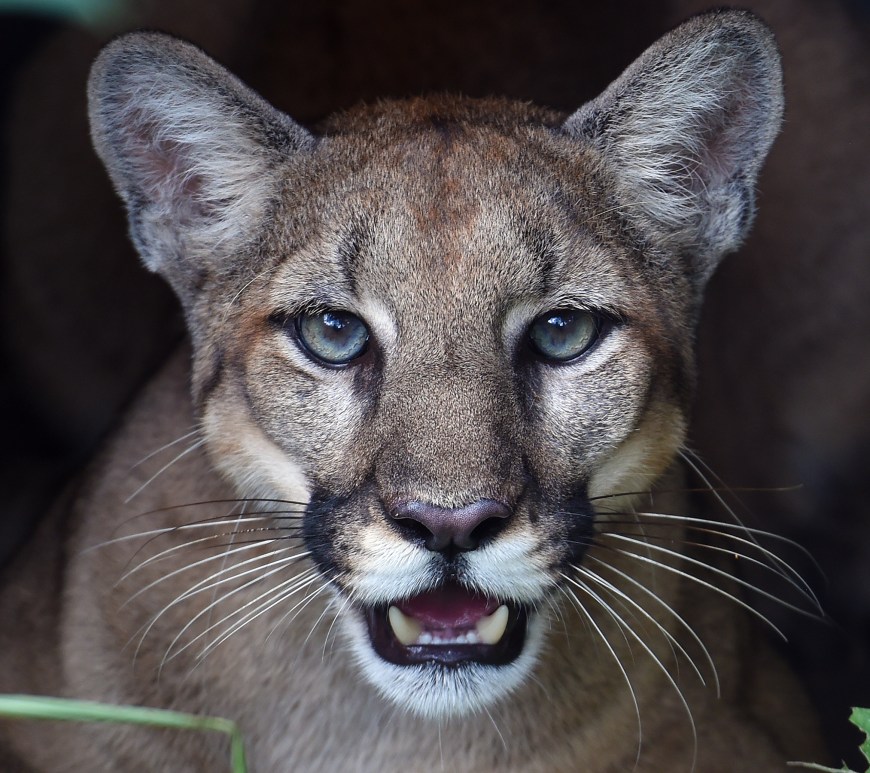
In their new article, Gilbertson et al. discuss how combining preventative and reactive disease interventions synergistically reduces disease-induced mortalities in a simulated carnivore population, whilst at the same time preventing unexpected negative impacts associated with inadequate vaccination. As the COVID-19 pandemic has demonstrated, controlling outbreaks of infectious diseases is incredibly challenging—and that is no less true in wildlife. In fact, wildlife management faces significant hurdles … Continue reading Optimizing disease management in an endangered carnivore