12 months in ecology

Ahead of her plenary lecture at the BES Annual Meeting next week, Helen Roy, Ecologist at the UK Centre for Ecology & Hydrology and People and Nature Associate Editor writes for Relational Thinking and us on her celebration of a year in ecology. If you’re at #BES2019 Helen’s plenary lecture will be at 09.00 am on Friday 13th December. Don’t miss it! Every year I … Continue reading 12 months in ecology

How should we train the next generation of applied ecologists?

Senior Editor, Nathalie Pettorelli, shares her thoughts on higher education and how we can better support future generations of applied ecologists. If you’d like to share your opinion on this matter or have an idea for a follow-up post, leave a comment below or email us. Our world, whether we look at climate, nature, culture or technology, is changing fast. Some of these changes are … Continue reading How should we train the next generation of applied ecologists?

Meet the Editor: Romina Rader

We are excited to welcome Romina Rader to the Journal of Applied Ecology Senior Editor team. Get to know the newest person behind the decision letters in this ‘Meet the Editor’ conversation. What can you tell us about the first paper you published? My first paper published was about a method to tag crabs in order to follow individuals and find out how they are … Continue reading Meet the Editor: Romina Rader

Quality in peer review: tools and resources

From selecting your preferred reviewers to providing the most useful and fair feedback to other authors, peer review can be both challenging and rewarding. In line with Peer Review Week 2019’s theme of quality in peer review, we have curated this selection of tools, tips and articles to help hone your peer review skills and gain clearer insight into what the process involves.  There’s plenty … Continue reading Quality in peer review: tools and resources

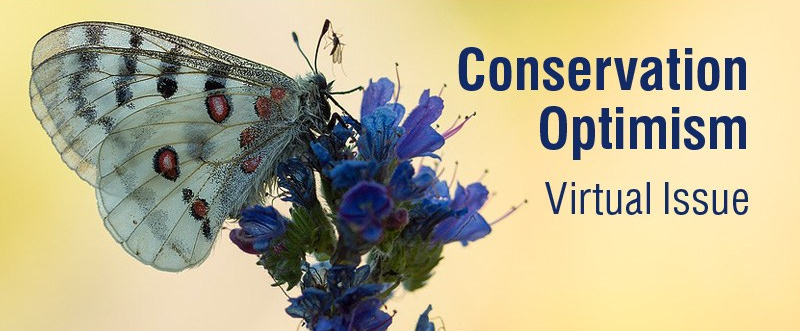
Conservation optimism: applied ecologists lead the way

Linking to their upcoming summit in Oxford, UK, Conservation Optimism’s E.J. Milner-Gulland brings together a selection of recent research papers that celebrate conservation success and look for solutions. These are both difficult and hopeful times for applied ecologists. On the one hand, the scale and severity of the strain that our ecological systems are under is becoming more and more apparent; a look through the … Continue reading Conservation optimism: applied ecologists lead the way

Southwood Prize – Early career researcher award announced

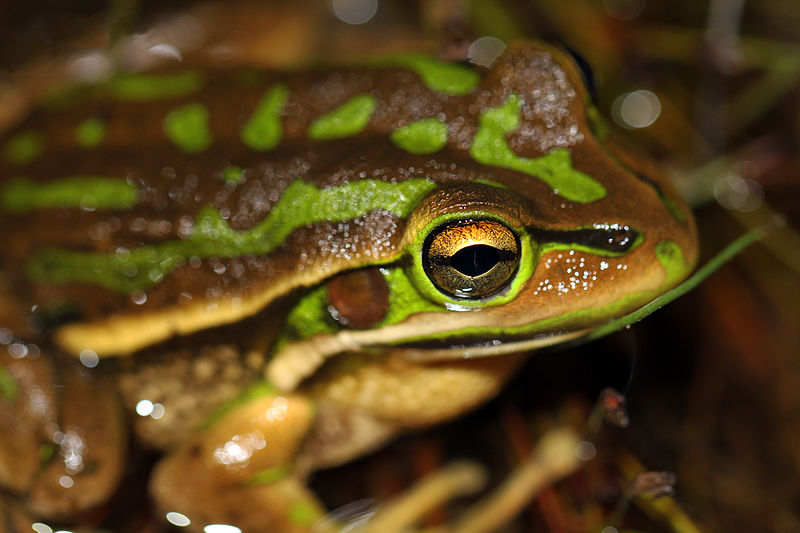
Congratulations to Simon Clulow for winning this year’s Southwood Prize, Journal of Applied Ecology‘s award for the best paper by an early career researcher in the 55th (2018) volume of the journal. Simon’s winning paper, Elevated salinity blocks pathogen transmission and improves host survival from the global amphibian chytrid pandemic: Implications for translocations, shows that manipulating environmental salinity in landscapes where amphibians are translocated can … Continue reading Southwood Prize – Early career researcher award announced

On the horizon: omega-3 fatty acids in oil crops – saving fish or threatening insects?

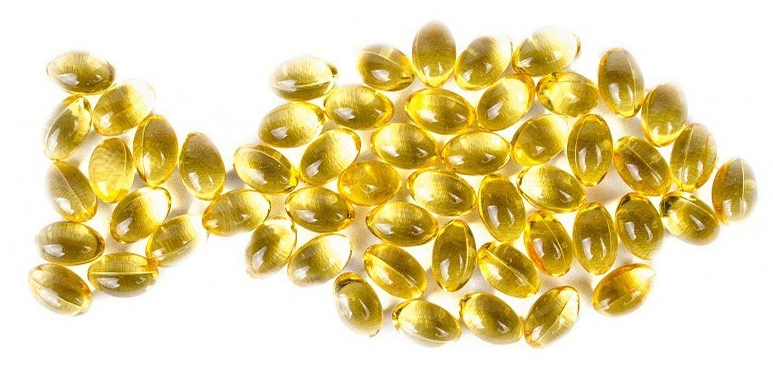
An emerging genetic technology that makes oilseed crops produce omega-3 fatty acids promises health and sustainability benefits, but there’s a potential adverse impact on insects that hardly anyone is talking about. Lynn Dicks and Xavier Le Roux round off our ‘On the horizon’ series. Polyunsaturated, long chain omega-3 fatty acids are the reason why healthy diet recommendations usually include seafood and oily fish like salmon, … Continue reading On the horizon: omega-3 fatty acids in oil crops – saving fish or threatening insects?

On the horizon: Food for the future – regulating gene-edited plants

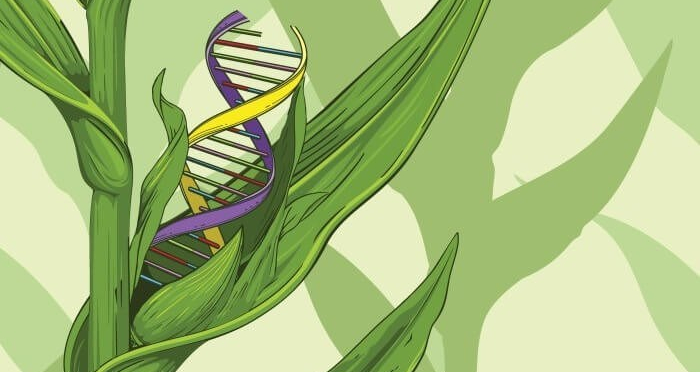
Could gene-edited plants provide better food security? And what are the risks and potential consequences presented by this process? Helen Doran (Senior Specialist, Futures, Natural England) explores these questions in the latest instalment to our ‘On the horizon’ series. ‘Imagine that a cheap, easy-to-use, and rapidly deployable technology could make crops more fertile and strengthen their resistance to threats such as climate change and disease’ … Continue reading On the horizon: Food for the future – regulating gene-edited plants