Southwood Prize – Early career researcher award announced

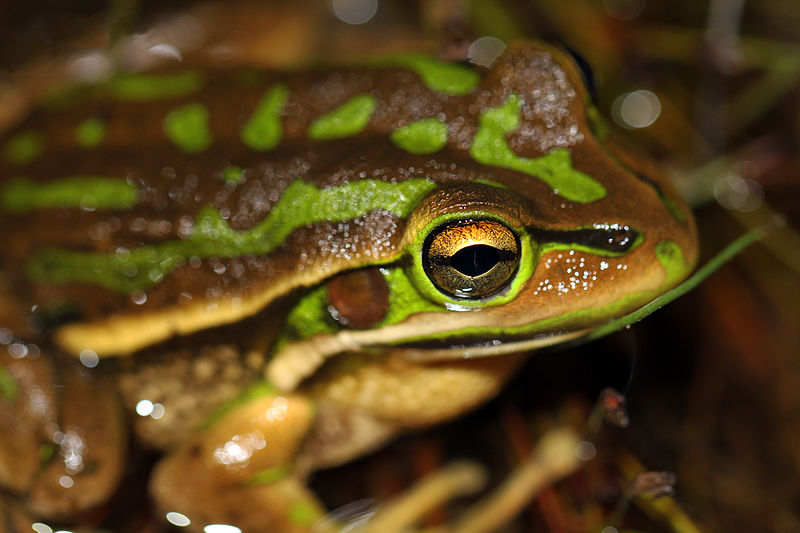
Congratulations to Simon Clulow for winning this year’s Southwood Prize, Journal of Applied Ecology‘s award for the best paper by an early career researcher in the 55th (2018) volume of the journal. Simon’s winning paper, Elevated salinity blocks pathogen transmission and improves host survival from the global amphibian chytrid pandemic: Implications for translocations, shows that manipulating environmental salinity in landscapes where amphibians are translocated can … Continue reading Southwood Prize – Early career researcher award announced

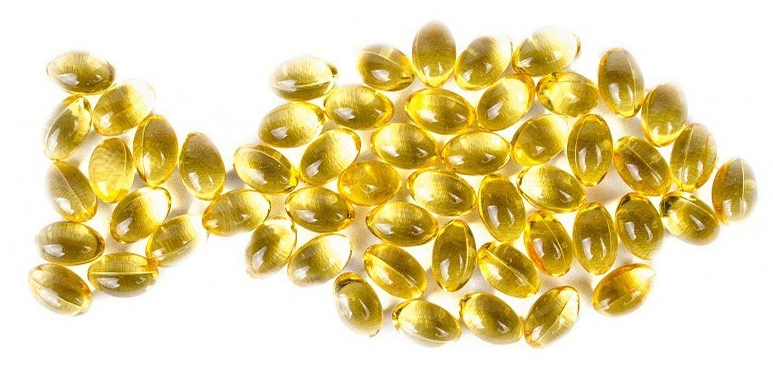
On the horizon: omega-3 fatty acids in oil crops – saving fish or threatening insects?

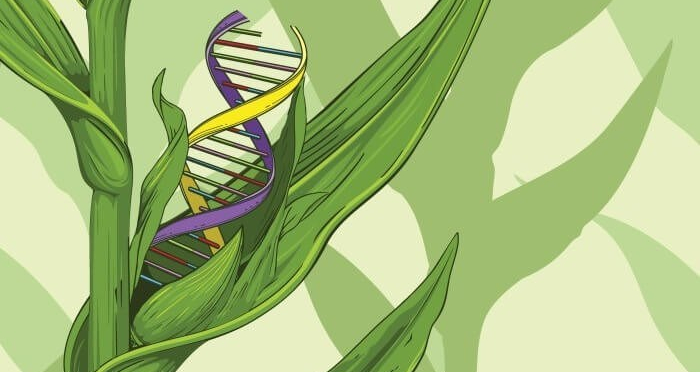
An emerging genetic technology that makes oilseed crops produce omega-3 fatty acids promises health and sustainability benefits, but there’s a potential adverse impact on insects that hardly anyone is talking about. Lynn Dicks and Xavier Le Roux round off our ‘On the horizon’ series. Polyunsaturated, long chain omega-3 fatty acids are the reason why healthy diet recommendations usually include seafood and oily fish like salmon, … Continue reading On the horizon: omega-3 fatty acids in oil crops – saving fish or threatening insects?

On the horizon: Food for the future – regulating gene-edited plants

Could gene-edited plants provide better food security? And what are the risks and potential consequences presented by this process? Helen Doran (Senior Specialist, Futures, Natural England) explores these questions in the latest instalment to our ‘On the horizon’ series. ‘Imagine that a cheap, easy-to-use, and rapidly deployable technology could make crops more fertile and strengthen their resistance to threats such as climate change and disease’ … Continue reading On the horizon: Food for the future – regulating gene-edited plants

On the horizon: mercury rising

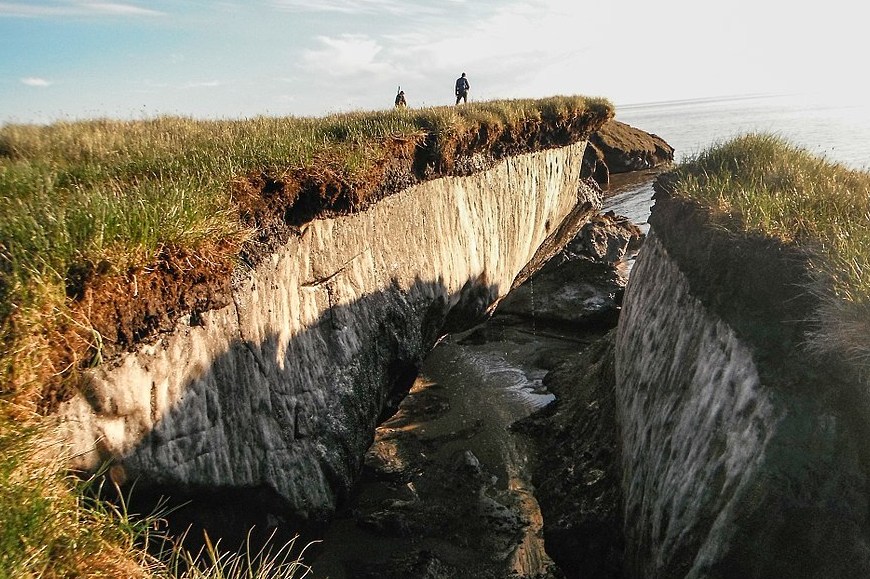
For our latest ‘On the horizon’ post, Colleen Seymour explains how climate change could release vast amounts of mercury into the environment as permafrost melts. Hat making was a particularly hazardous occupation in the 17th century.  Mercuric nitrate was used to soften pelts, and its use in poorly-ventilated rooms almost inevitably led to mercury (Hg) poisoning (‘mecurialism’), which manifested as a combination of psychoses, physical … Continue reading On the horizon: mercury rising

On the horizon: Plastic alternatives – the ecological impact is not always clear

Plastic and plastic pollution have been receiving a lot of attention in the media of late. But, as we explore alternative materials, how do we know what their long-term ecological impacts will be? Becky LeAnstey asks this question in our latest ‘On the horizon’ post.  A world without plastic is difficult to imagine, despite it having only been around for just over a century. Cheap manufacturing costs combined … Continue reading On the horizon: Plastic alternatives – the ecological impact is not always clear

Balance for Better: more initiatives and action plans

We’ve had a great response to our series celebrating initiatives that support #BalanceforBetter and gender equality. Here are some additional projects our Editorial Board are keen for you to know about. Pride Lion Conservation Alliance Amy Dickman I am a founding member of the Pride Lion Conservation Alliance which is a group of six leading women who run effective, grassroots lion conservation projects. We formed … Continue reading Balance for Better: more initiatives and action plans

Balance for Better: Project Biodiversify

As part of International Women’s Day’s #BalanceforBetter campaign, we’re sharing a series of initiatives that promote gender balance in science and academia. Now Dr. Marjorie Weber and Associate Editor, Lars Brudvig share the online repository of teaching materials, Project Biodiversify. Marjorie: Project Biodiversify is an online repository of teaching materials and methods aimed at increasing the diversity of biologists highlighted in lectures, humanizing biologists and … Continue reading Balance for Better: Project Biodiversify

Balance for Better: DiversifyEEB

To celebrate the 2019 theme for International Women’s Day, #BalanceforBetter, we invited our Editorial Board to nominate and discuss the initiatives they feel support gender balance in science and academia. Kicking things off, several of our editors drew our attention to the directory, DiversifyEEB, which aims to highlight ‘ecologists and evolutionary biologists who are women and/or underrepresented minorities’. Journal Associate Editor, Cate McInnis-Ng and Senior … Continue reading Balance for Better: DiversifyEEB

Rewilding in Britain: a case study

Over the past few weeks, The Applied Ecologist’s Blog and Relational Thinking have been exploring the hot topic of rewilding from a number of different interdisciplinary and management angles.  Now Sophie Wynne-Jones and Chris Sandom turn their focus to the UK as a, perhaps unexpected, example of where rewilding has grown. If you ask someone in Britain whether or not they have heard of rewilding, … Continue reading Rewilding in Britain: a case study