Black History Month 2023 – Florent Noulekoun

For Black History Month 2023, the British Ecological Society (BES) journals are celebrating the work of Black ecologists from around the world and sharing their stories. In this blog, Florent shares his story and journey in academia. Name : Florent Anguilles Dehogbe Noulekoun Affiliation : Korea University / Seoul, Korea Ecology interests: Biodiversity and Ecosystem functioning, Land restoration, Global environmental changes Your story – How did you get … Continue reading Black History Month 2023 – Florent Noulekoun

Applying remote sensing techniques to wide-scale vegetation inventories

Feature image © InnoTech Alberta Originally posted and adapted from The Alberta Biodiversity Monitoring Institute Blog. Author Sydney Toni describes their latest study that explores a more cost-effective way of using remote sensing to better understand landscapes at larger scale for habitat monitoring and management. Ideally, the information we collect to manage wildlife habitat is many things: high-resolution, consistent and covering all areas of interest. The … Continue reading Applying remote sensing techniques to wide-scale vegetation inventories

Estimating when the Tiger mosquito will invade a country to prevent the exposure to vector-borne diseases

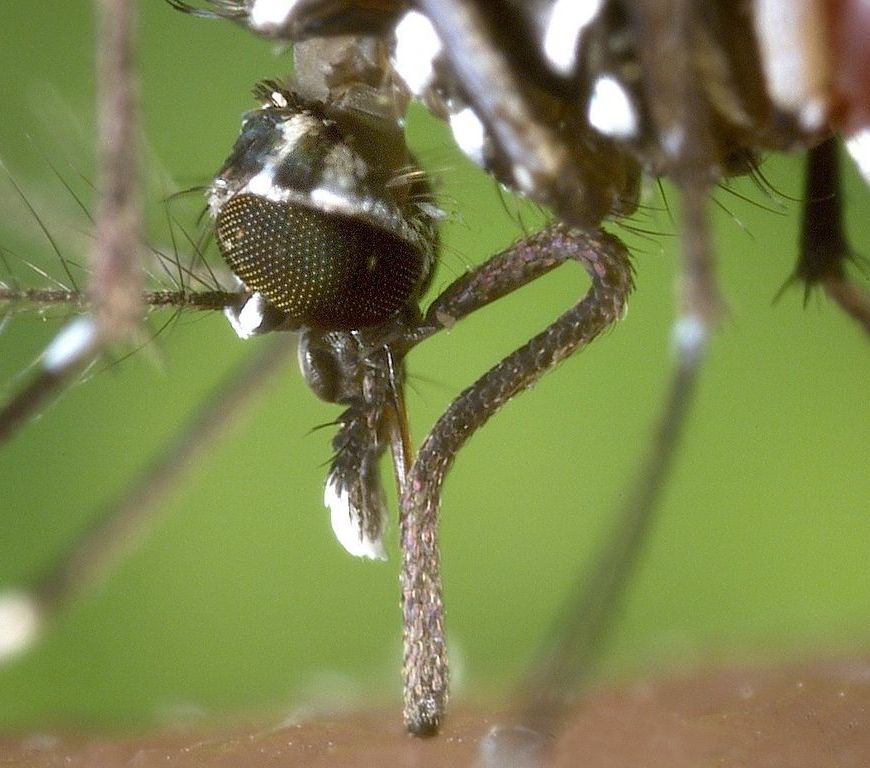
Sandra Oliveira discusses new research, conducted with colleagues, that saw the development of a model to predict the possible future spread of the invasive Tiger mosquito. The Tiger mosquito (Aedes albopictus) is a highly invasive species that, in the last 40 years, has colonized all continents except Antarctica. Why do we need to worry about it? Because this mosquito can carry several viruses and spread … Continue reading Estimating when the Tiger mosquito will invade a country to prevent the exposure to vector-borne diseases

Research stories: Maps and models to curb the spread of the abominable puncturevine

Trevor Caughlin and co-authors describe how the local impacts of an invasive plant motivated research to understand where it spreads. Biological invasions threaten global biodiversity, motivating studies to control invasive species’ spread. We studied outbreaks of puncturevine (Tribulus terrestris), an invasive species in Western North America. While our team appreciates the global threats posed by invasive species, the motivation for our newly published study was … Continue reading Research stories: Maps and models to curb the spread of the abominable puncturevine

Our invaded world: India’s quest for ecosystem restoration

Ninad Mungi shares recent work, conducted with colleagues, which involved monitoring India’s levels of invasive plant species. This has knock-on effects for apex predators, such as tigers, who rely on their prey being able to access native species. Introduction In a world grappling with drastic ecological challenges, biological invasions have emerged as a pernicious threat to biodiversity, ecosystem functioning, and global health. While the impacts … Continue reading Our invaded world: India’s quest for ecosystem restoration

Trabajando juntos para abordar la problemática delas especies exóticas invasoras en Argentina

Este post también está disponible en inglés aquí. La autora, Priscila Ana Powell, comparte las ideas principales del análisis de estudios de caso sobre experiencias de cogestión para el manejo de especies exóticas invasoras leñosas en Argentina. “Mejorar la cogestión a largo plazo de las plantas leñosas exóticas invasoras (EEI) en Argentina requiere la creación y promoción de espacios compartidos y canales de comunicación para … Continue reading Trabajando juntos para abordar la problemática delas especies exóticas invasoras en Argentina

Working together to tackle Invasive Alien Species in Argentina

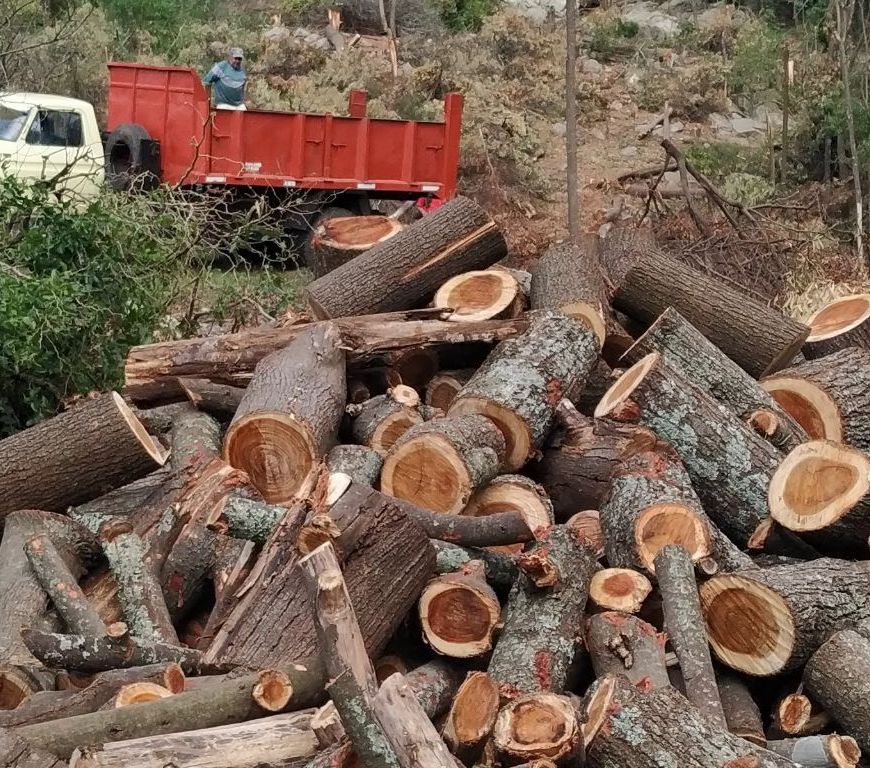
A version of this post is available in Spanish here. Author Priscila Ana Powell shares insights from analysing case studies that use co-management to manage woody invasive alien species in Argentina. “Improving the long-term management of woody invasive alien plants (IAS) in Argentina requires the promotion of shared spaces and communication channels for co-designing and co-implementing IAS management interventions that can better align the objectives of … Continue reading Working together to tackle Invasive Alien Species in Argentina

Call for proposals: Biodiversity, planning and development

The British Ecological Society journals Ecological Solutions and Evidence, Journal of Applied Ecology and People and Nature are seeking proposals for their new cross-journal Special Feature: “Biodiversity, planning and development – towards best practice“. The UN Decade on Ecosystem Restoration (2021-2030) highlights the need to move beyond conservation and protection to a nature positive agenda, to address the climate and biodiversity crises. Planning, as a … Continue reading Call for proposals: Biodiversity, planning and development

Predicting dispersal and conflict risk for wolf recolonisation in Colorado

Mark Ditmer discusses his and colleagues’ new research which aims to predict wolf movement and potential conflict hotspots following the state of Colorado’s decision to reintroduce gray wolves. This data may be used to offer practical, actionable recommendations for decision-makers. Animal movement and conflict risk Species’ ranges are shifting – and accurately predicting the way species disperse in novel areas can greatly enhance conservation efforts. … Continue reading Predicting dispersal and conflict risk for wolf recolonisation in Colorado

Peer Review Week 2023: The evolution of peer review at the BES

Over recent years, peer review at the BES journals has evolved and we’ve employed initiatives such as double anonymous peer review, transparent peer review and reviewer discussions, with the goal of increasing transparency and decreasing bias within the review process… Continue reading Peer Review Week 2023: The evolution of peer review at the BES